
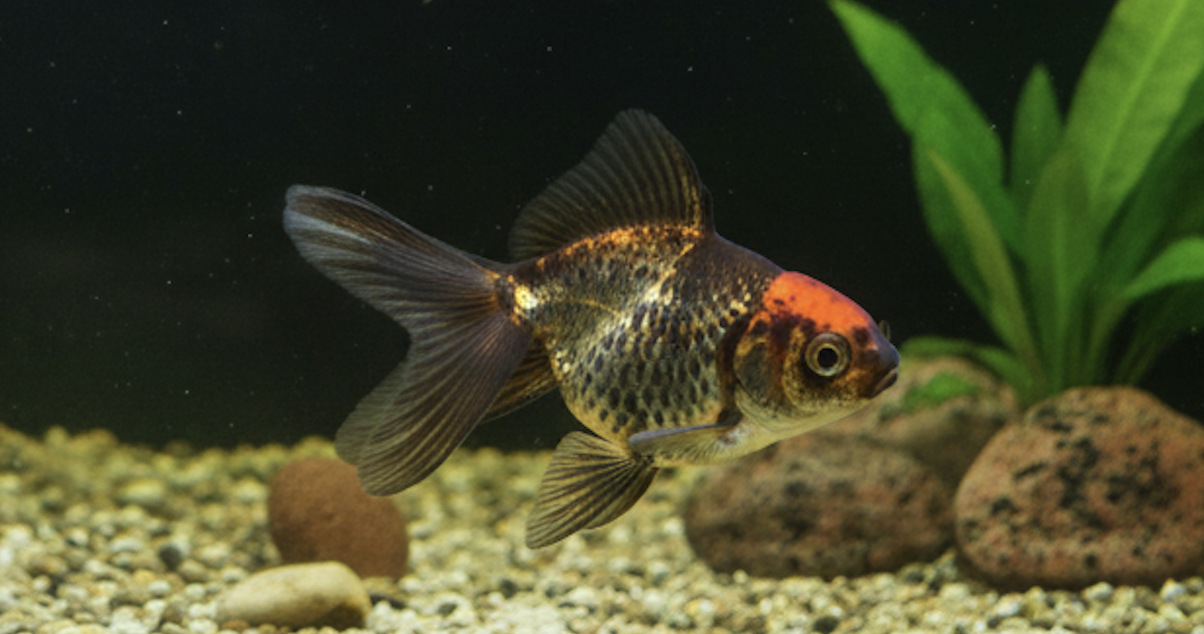
I once decided I wanted a goldfish. I bought a beautiful one, put it in a decent-sized tank with a “proper” filter, and felt proud of myself. However, what I didn’t realize was that I hadn’t bought a pet. I had acquired a biological waste factory a tiny, graceful, non-stop pooping machine. A few months later, despite my best efforts, I lost him to Dropsy. I was heartbroken and utterly frustrated. This tragic experience taught me a harsh but essential lesson. A powerful filter is useless if you don’t understand the life sustaining chemistry it’s supposed to be handling that is the nitrogen cycle.
Ultimately, that little goldfish taught me that the nitrogen cycle is the unforgiving boss of this hobby. You cannot ignore it, and you cannot cheat it. Therefore, this guide is dedicated to his messy, short life, and to making sure your journey starts on a solid foundation. Let’s begin by ensuring you understand the most fundamental process in any fish tank.
The Three Invisible Poisons: What Actually Harms Our Fish?
Before we can understand the solution, we must understand the problem. Specifically, in a closed system like an aquarium, our fish are constantly producing waste. Consequently, this waste, along with any uneaten food or decaying plants, breaks down and releases a chemical that is highly toxic to fish: ammonia.
To grasp the severity, imagine being locked in a small room where the air slowly turns into poison. That is what an uncycled aquarium is for a fish. Therefore, the entire purpose of the nitrogen cycle is to create a natural, biological system to detoxify this ammonia. The cycle has three main components:
- Ammonia (NH₃): Extremely toxic. Produced by fish waste and decay.
- Nitrite (NO₂⁻): Also extremely toxic. Produced by the bacteria that consume ammonia.
- Nitrate (NO₃⁻): Much less toxic. Produced by the bacteria that consume nitrite.
What is the Nitrogen Cycle?
The nitrogen cycle is the natural, biological process. Colonies of beneficial bacteria establish themselves in an aquarium and convert these highly toxic chemicals (ammonia and nitrite) into a much less harmful substance (nitrate). So, when hobbyists talk about “cycling your tank,” they are talking about this crucial, weeks long process of growing these invisible bacterial janitors.
The Heroes of the Cycle: What Are Beneficial Bacteria and What Do They Do?
Your filter is not just a water polisher; its primary and most important job is to be a home. It is a high-rise apartment building for two distinct types of beneficial bacteria that are the heroes of our story.
- Nitrosomonas Bacteria (The Ammonia Eaters): These are the first to arrive. Their job is to consume the toxic ammonia in the water. Also, as a byproduct of eating ammonia, they release the second chemical: nitrite.
- Nitrobacter Bacteria (The Nitrite Eaters): These bacteria show up next. Their job is to consume the toxic nitrite produced by the first group. Also, as a byproduct of eating nitrite, they release the final, much safer chemical: nitrate.
These bacteria will colonize every surface in your aquarium—the substrate, the decorations. But, their densest population will be in your filter media (like sponges, ceramic rings, and bio-balls) because there is a constant, oxygen rich flow of water bringing them their “food.”
How Do I Start the Nitrogen Cycle? (A “Fishless” Cycle)
The safest and most humane way to establish a healthy nitrogen cycle is to do it before you add any fish. This is called a “fishless cycle.”
What equipment and supplies do I need to start?
You will need your aquarium fully set up with a filter, a heater, substrate, and decorations. In addition to this hardware,you will also need a source of chlorine free water (tap water treated with a dechlorinator is perfect) and, most importantly, a liquid aquarium test kit (like the API Master Test Kit) and a source of ammonia.
What are the steps for kickstarting the nitrogen cycle?
Set Up and Run Your Tank: Assemble your aquarium completely. Turn on the filter and the heater. Let it run as if fish were already in it.
Add an Ammonia Source: You need to “feed” the bacteria you want to grow. You can do this by:
- “Ghost Feeding”: Sprinkling a tiny pinch of fish food into the tank every other day and letting it decompose.
- Pure Ammonia: A more precise method involves adding drops of pure, unscented ammonia to the tank to reach a specific level.
Test Your Water and Wait: Now, the waiting begins. Every few days, test your water for ammonia, nitrite, and nitrate. The process will look like this:
- Phase 1 (Week 1-2): You will see a spike in your ammonia levels. This is the food for the first type of bacteria.
- Phase 2 (Week 2-4): As the Nitrosomonas bacteria grow, you will see the ammonia level start to fall, and you will begin to detect a spike in nitrite.
- Phase 3 (Week 4-8): As the Nitrobacter bacteria grow, you will see the nitrite level begin to fall, and you will finally start to detect nitrates.
How do I know when the nitrogen cycle is complete?
Your tank is fully cycled and ready for fish when you can add a dose of ammonia (or a pinch of food) and, within 24 hours, your test kit shows 0 ppm ammonia, 0 ppm nitrite, and some level of readable nitrates. This proves that your bacterial colony is large and efficient enough to handle waste instantly.
Are Nitrates Bad, and How Do I Manage Them?
Nitrates are the final product of the nitrogen cycle and are far less toxic to fish than ammonia or nitrite. However, in high concentrations, they can still cause stress and health problems. This is where your job as the keeper comes in. The only way to remove nitrates from the system is through regular partial water changes. Changing 25-50% of your water every week dilutes the nitrates and keeps your fish healthy. Live aquatic plants are also fantastic “nitrate sponges” and will consume them as fertilizer.
Can I Speed Up the Nitrogen Cycle?
Yes! The absolute best way to “kick-start” a new tank’s nitrogen cycle is to “seed” it with beneficial bacteria from an already established, healthy aquarium.
- Borrowing Filter Media: Taking a piece of a sponge filter or a handful of ceramic rings from a mature filter and placing it in your new filter is the fastest method. It’s like importing an entire, pre-built city of bacteria.
- Using Substrate or Decor: A cup of gravel or a piece of driftwood from a healthy tank also carries a good population of bacteria.
This “seeding” process can dramatically reduce the cycle time from over a month to just a week or two.
Nitrogen Cycle FAQ
The nitrogen cycle is the natural biological process where colonies of beneficial bacteria convert highly toxic chemicals, like ammonia and nitrite, into much less harmful nitrate. This process takes several weeks and is necessary to create a safe environment for your fish.
Beneficial bacteria live primarily in your filter media and act as the biological janitors of your aquarium. Nitrosomonasbacteria consume toxic ammonia and release nitrite, while Nitrobacter bacteria consume that nitrite and release safer nitrates.
You will need a fully assembled aquarium with a filter, heater, substrate, and decorations. You will also require a liquid aquarium test kit, chlorine-free water, and a source of pure ammonia or fish food to feed the bacteria.
First, set up and run your tank equipment as if fish were already inside. Next, add an ammonia source by either ghost feeding or adding pure ammonia drops. Finally, test your water every few days over 4 to 8 weeks to track the progression of ammonia, nitrite, and nitrate levels.
Your aquarium is fully cycled when you can add a dose of ammonia and your test kit shows 0 ppm ammonia, 0 ppm nitrite, and a readable level of nitrates within 24 hours. This indicates your bacterial colony is large enough to process waste instantly.
Yes, you can significantly reduce the cycle time by seeding your new tank with beneficial bacteria from an already established aquarium. Borrowing mature filter media, substrate, or decorations can cut the cycling process down from over a month to just a week or two.
Sources:
- The ABC’s of Filtration at the Aquarium
- Everything You Need To Know About Filtration
- The Basics of Aquarium Filtration
- Nitrogen cycle – How to cycle a fish tank?
- How to Cycle a Fish Tank: The Beginner’s Guide
- Aquarium Nitrogen Cycle: The Ultimate Guide
- The Complete Guide to Aquarium Heaters
- Aquarium Heater Types & Watts Per Gallon
- How to Choose the Right Aquarium Heater

Leave a Reply