
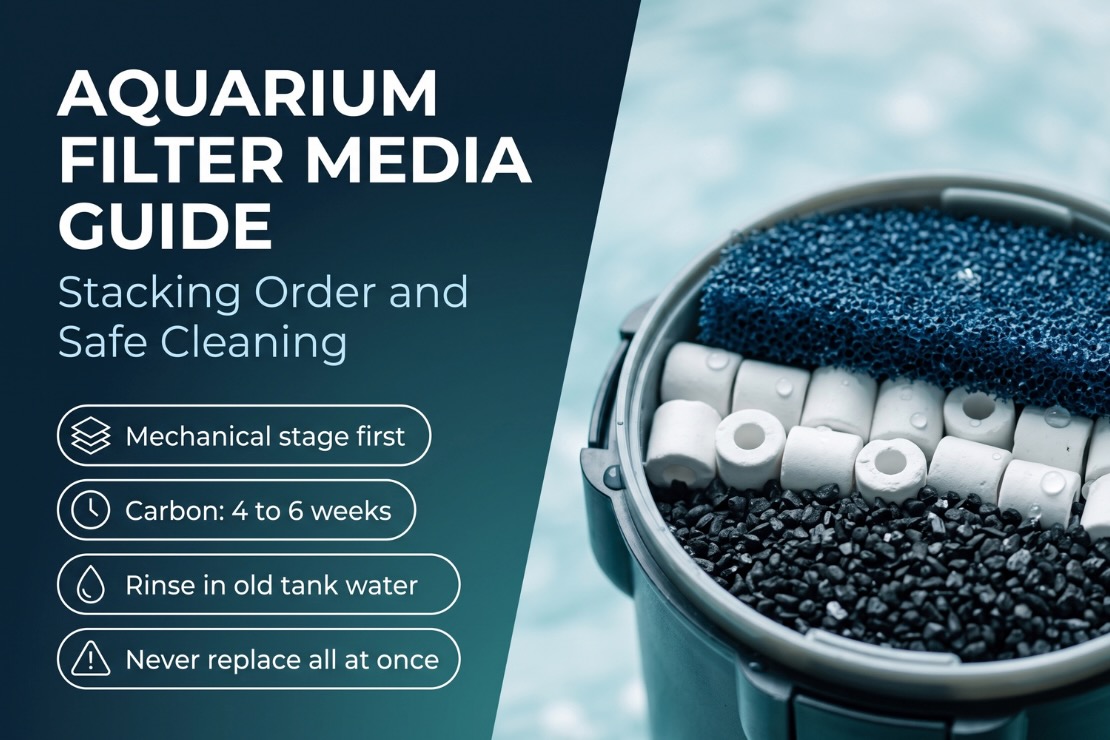
Aquarium Filter Media functions as the primary life support system by processing physical and chemical waste within the water. These materials provide the physical housing for beneficial bacteria to colonize and thrive. Without these diverse stages, the water column would rapidly become toxic to all complex life. Consequently, this guide uses verifiable aquatic evidence to ensure your media selection meets professional standards. Therefore, you must recognize that your choice of material dictates the overall stability of your ecosystem.
Understanding Mechanical Filter Media

The mechanical stage serves as the first line of defense by capturing large particulate waste. Specifically, you should utilize Coarse Filter Sponges or Poly Filter Pads to strain out uneaten food and fish detritus. Furthermore, this physical removal prevents the organic matter from breaking down into ammonia later. Consequently, you must clean this Aquarium Filter Media regularly to prevent the clogging of the entire system. Therefore, selecting a variety of densities ensures the removal of both large and fine debris. As a result, mechanical filtration maintains visual water clarity.
The Role of Biological Filter Media

The biological stage is the most vital component of your Aquarium Filter Media stack. Specifically, materials like Ceramic Rings or Matrix Bio media provide immense internal surface area for nitrifying bacteria. Furthermore, these colonies consume the ammonia and nitrite produced by your livestock constantly. Consequently, you must never replace this media entirely or expose it to chlorinated tap water. Therefore, providing a high porosity environment maximizes the biological processing capacity of your filter. As a result, biological media ensures a safe and stable chemical environment.
Utilizing Chemical Filter Media

Chemical filter media targets dissolved impurities that sponges and bacteria cannot handle. Activated Carbon is the star here, since it pulls out medications, tannins, and foul odors. In other words, it acts as the bouncer that removes tea-colored water and the mystery smell. Specialized resins pull excess phosphates and nitrates straight out of the water. However, this Aquarium Filter Media has a limited lifespan. Once it saturates, it stops working. Replace it, because it will not send you a resignation letter. Therefore, treat chemical stages as a corrective tool, not a permanent fixture. Use them when a specific problem appears, such as leftover medication or unwanted tannins. Chemical media adds a secondary layer of purification, while the biological stage still does the heavy lifting.
Best Order to Stack Filter Media

Water should pass through mechanical, then chemical, and finally biological stages, in that exact order. Think of your filter as a nightclub with a strict door policy. Mechanical media works the front door and stops the debris crowd first. Furthermore, this keeps the pricey biological media from clogging. Nobody wants ceramic rings wearing a coat of fish waste. The chemical stage sits before the biological media too. It removes toxins that could harm the bacteria. Consequently, your nitrifying colonies always receive clean, oxygenated water. Bacteria work hard, so they earn the VIP section. Therefore, check the water flow direction in your specific filter model. Filters differ, and the manual will not read itself. As a result, proper stacking maximizes filtration efficiency. Skip the check, and you may stack everything backward.
Cleaning Filter Media Safely

You must strictly avoid using untreated tap water for any part of the cleaning process. Specifically, the chlorine in tap water will immediately sterilize your Aquarium Filter Media and kill your beneficial bacteria. Furthermore, you should only rinse your sponges and ceramic rings in a bucket of used aquarium water. Consequently, this removes the physical “sludge” while keeping the biological life intact and healthy. Therefore, perform your cleaning during a scheduled water change for maximum efficiency. As a result, a gentle rinse preserves your biological filtration.
Do I Need to Use Activated Carbon?

Many advanced hobbyists choose not to use Activated Carbon on a permanent basis. Specifically, if your water is clear and odorless, the carbon is essentially providing no additional benefit. Furthermore, carbon can sometimes strip out beneficial trace elements required by live aquatic plants. Consequently, you should reserve this Aquarium Filter Media for removing medication after a treatment cycle. Therefore, utilizing more biological media in its place often provides a more stable long term result. As a result, carbon remains a situational tool rather than a requirement.
How Often Should I Replace Media?

Leave your biological Aquarium Filter Media alone unless it physically crumbles. Ceramic rings do not expire like milk. Specifically, mechanical sponges need replacing only after they lose their shape and stop springing back. Squeeze one, and if it stays flat like a sad pancake, retire it. Furthermore, chemical resins like carbon demand replacement every 4 to 6 weeks. After that, they just sit there looking busy. Consequently, the biggest rookie mistake is replacing all your media at once. That move wipes out your bacteria and crashes your nitrogen cycle. Therefore, replace only small portions of mechanical media at a time. As a result, your biological stability stays protected, and your fish keep their good mood.
Is More Filter Media Always Better?
Having an excess of Aquarium Filter Media provides a necessary “buffer” against sudden biological loads. Specifically, the bacterial colony will only grow to match the amount of food available in the tank. Furthermore, having extra surface area ensures that the bacteria have room to expand if you add new fish. Consequently, more media is generally beneficial, provided it does not restrict the water flow of the filter. Therefore, you should utilize as much high quality biomedia as your filter tray can physically hold. As a result, over filtration supports a robust and resilient ecosystem.
Aquarium Filter Media FAQ
Stack aquarium filter media in this order: mechanical first, chemical second, and biological last. Mechanical media catches debris before it clogs the finer stages, and the biological stage then receives clean water. Confirm your filter’s flow direction first, because designs differ.
Yes, chlorine in untreated tap water can kill the beneficial bacteria living in aquarium filter media. Rinse sponges and ceramic rings in a bucket of old tank water instead. That method removes sludge while the bacterial colonies stay alive and active.
Replace chemical media like carbon every 4 to 6 weeks, since it saturates and stops working. Mechanical sponges need replacing only after they lose their shape and stop springing back. Biological media should stay in place until it physically starts to crumble.
No, many tanks run well without permanent activated carbon. Carbon helps remove medication, tannins, and odors, but it adds little benefit to clear, odorless water. It can also strip trace elements that live plants use, so reserve it for specific situations.
More media is generally better, provided it does not restrict water flow. Extra surface area gives bacteria room to expand when you add fish, and it buffers sudden increases in waste. Fill the filter tray with quality biomedia, but never pack it so tightly that flow drops.
Mechanical media strains solid waste, such as uneaten food and fish detritus, from the water. Chemical media removes dissolved impurities such as medications and odors. Biological media houses nitrifying bacteria that consume ammonia and nitrite, making it the most vital stage.
Replacing all media at once removes the bacterial colonies that process ammonia and nitrite. Without them, toxins accumulate and the nitrogen cycle crashes, which endangers fish. Replace only small portions of mechanical media at a time, and keep biological media in place.
Sources
- Aquarium Co-Op
https://www.aquariumcoop.com/blogs/aquarium/filter-media-guide - Bulk Reef Supply
https://www.bulkreefsupply.com/content/post/the-best-order-for-your-aquarium-filter-media - Seriously Fish
https://www.seriouslyfish.com/aquarium-filtration-part-2-media/ - Fishkeeping World
https://www.fishkeepingworld.com/aquarium-filter-media/ - Practical Fishkeeping
https://www.practicalfishkeeping.co.uk/features/how-to-stack-your-aquarium-filter/
Leave a Reply
You must be logged in to post a comment.