
In the world of fish feeding, I was not prepared for the masterclass in manipulation that fish can perform. My betta, Sky, in particular, deserves an award for his performance. The moment he sees me approach the tank, he puts on a show of such pathetic, “I haven’t eaten in weeks” desperation that it could make a stone weep. Consequently, for the first few months, I fell for it every single time. The result? A perpetually messy substrate and water quality that was less than ideal.
This guide is about learning fish nutrition and, more importantly, reading your pets’ true needs, not just their award-winning performances. It’s about finding that perfect balance that keeps them healthy and you guilt free. Furthermore,the aquarium hobby offers a fascinating glimpse into aquatic ecosystems, which means understanding the dietary needs of different fish species is crucial for their health and well being. To help with this, freshwater fish can be broadly categorized into three groups based on their diet.
Fish Feeding According to Compatible Diet
Herbivores
Primarily consume plant matter.
Diet: High in fiber and low in protein.
Feeding: Commercial herbivore pellets, flakes, algae wafers, and fresh vegetables like spinach, zucchini, and cucumber.
Examples:
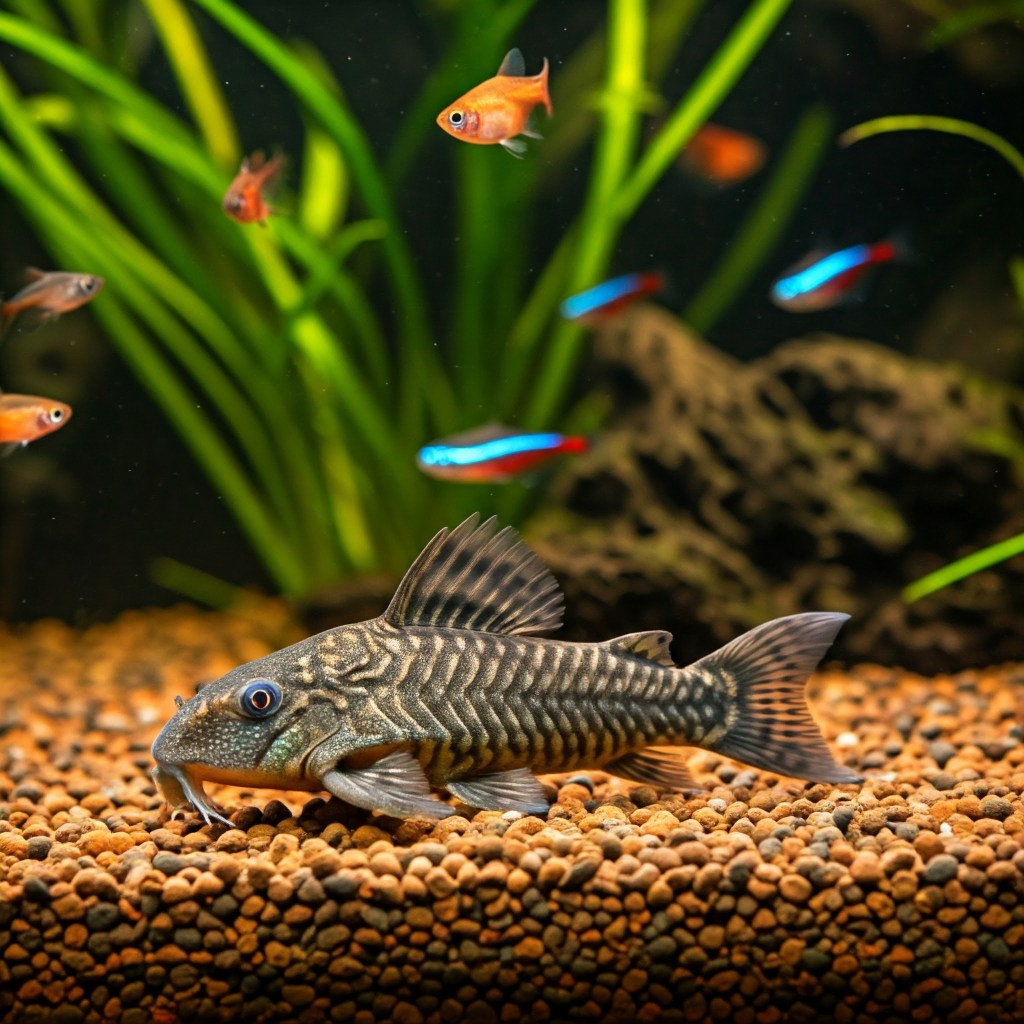
Plecostomus: Known for algae-eating habits.
Siamese Algae Eater: Another effective algae grazer.
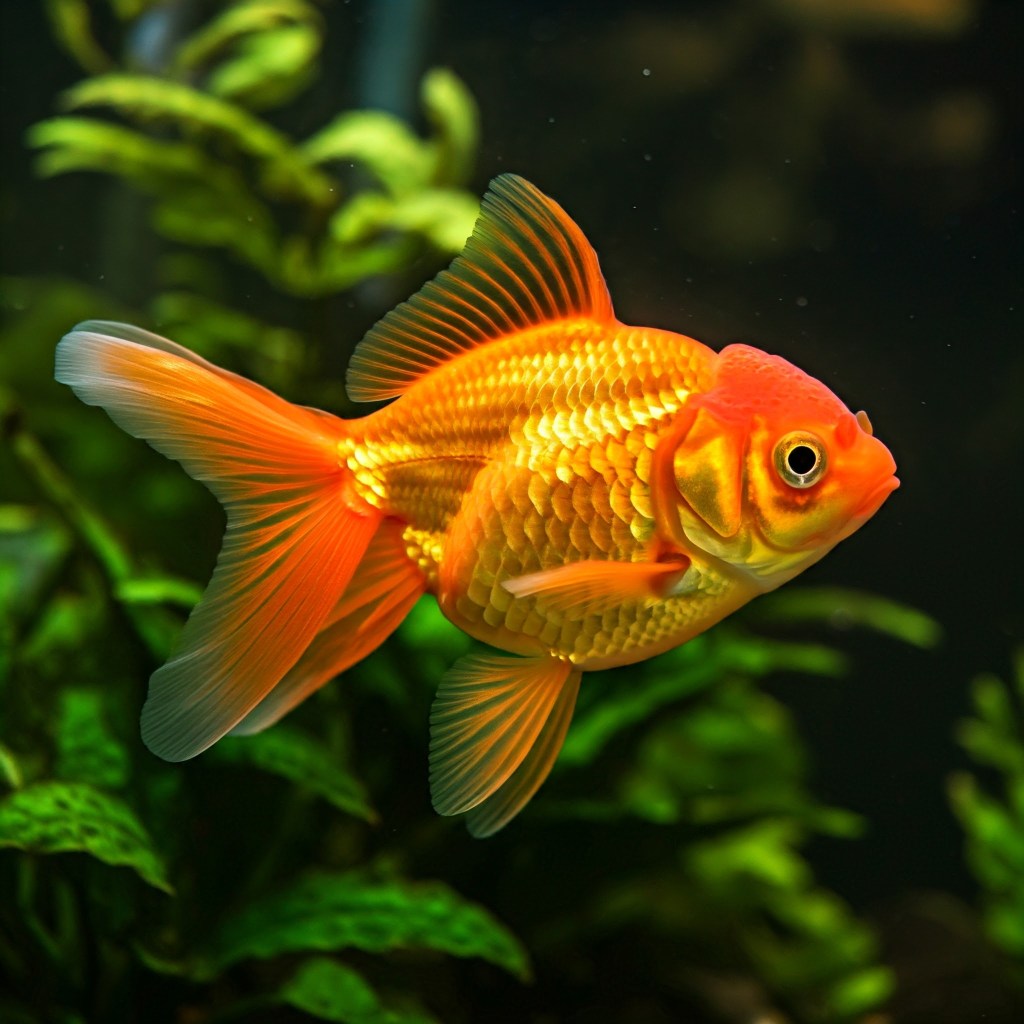
Goldfish: Primarily herbivorous, but can benefit from a varied diet.
Omnivores

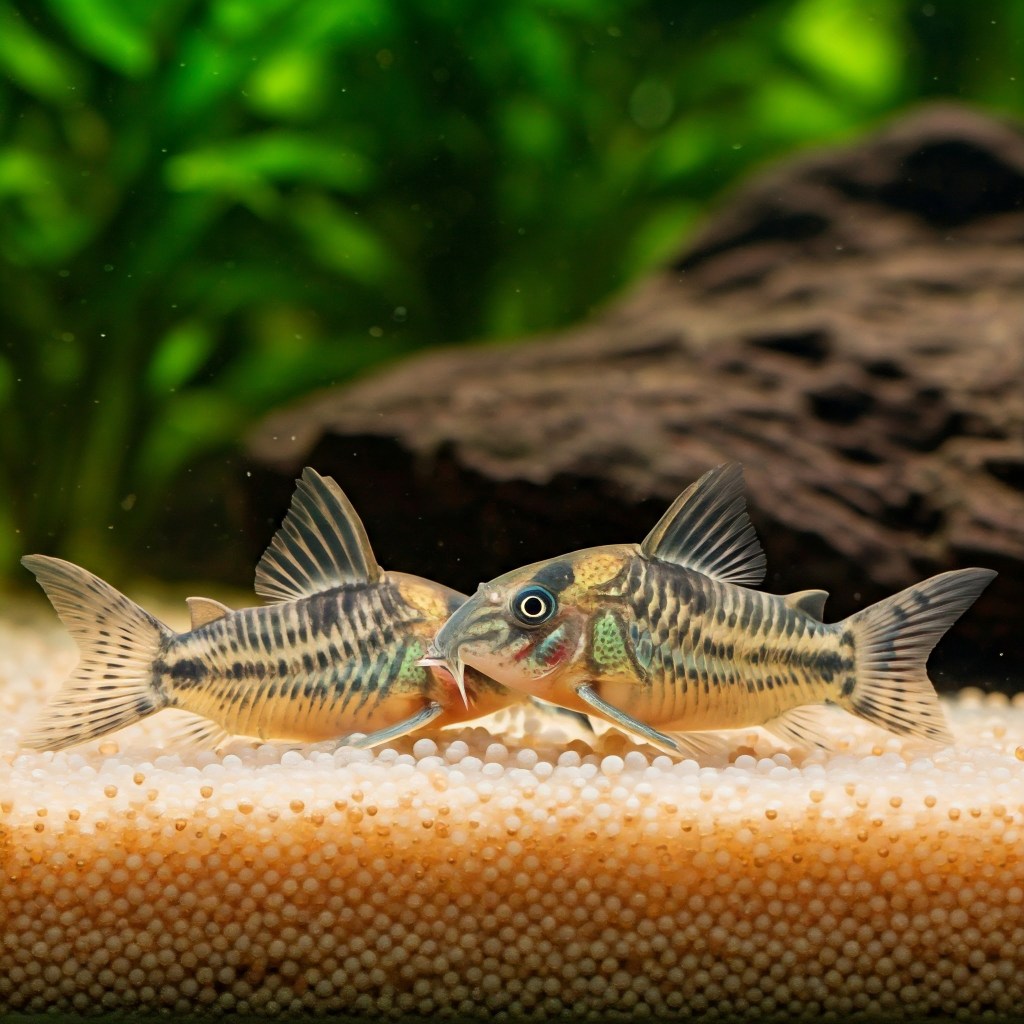
Consume both plant and animal matter.
Diet: Balanced diet of plant and animal protein.
Feeding: Commercial flake foods, pellets, frozen or freeze-dried foods like bloodworms and brine shrimp.
Examples:
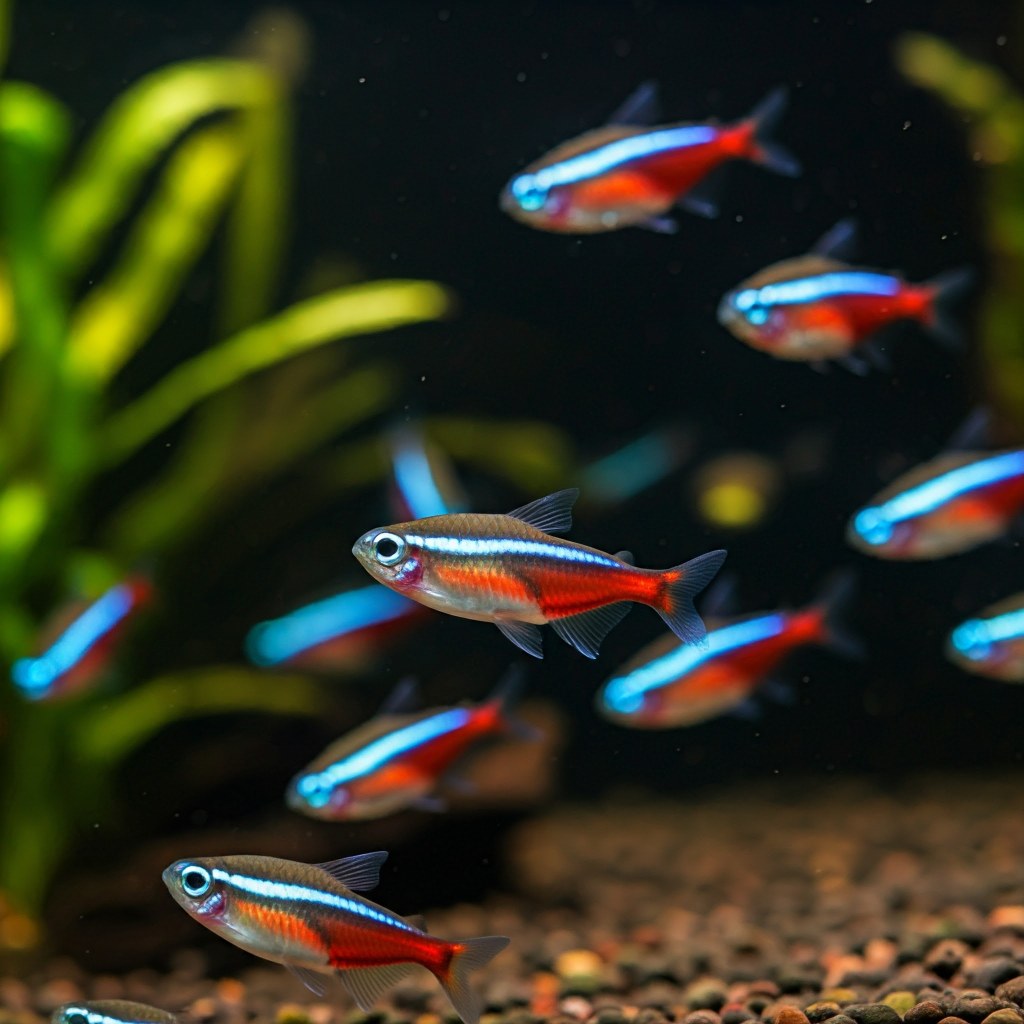
Tetras: Popular schooling fish.
Guppies: Livebearers that thrive on a varied diet.
Corydoras Catfish: Bottom-dwellers that consume both algae and small invertebrates.
Carnivores
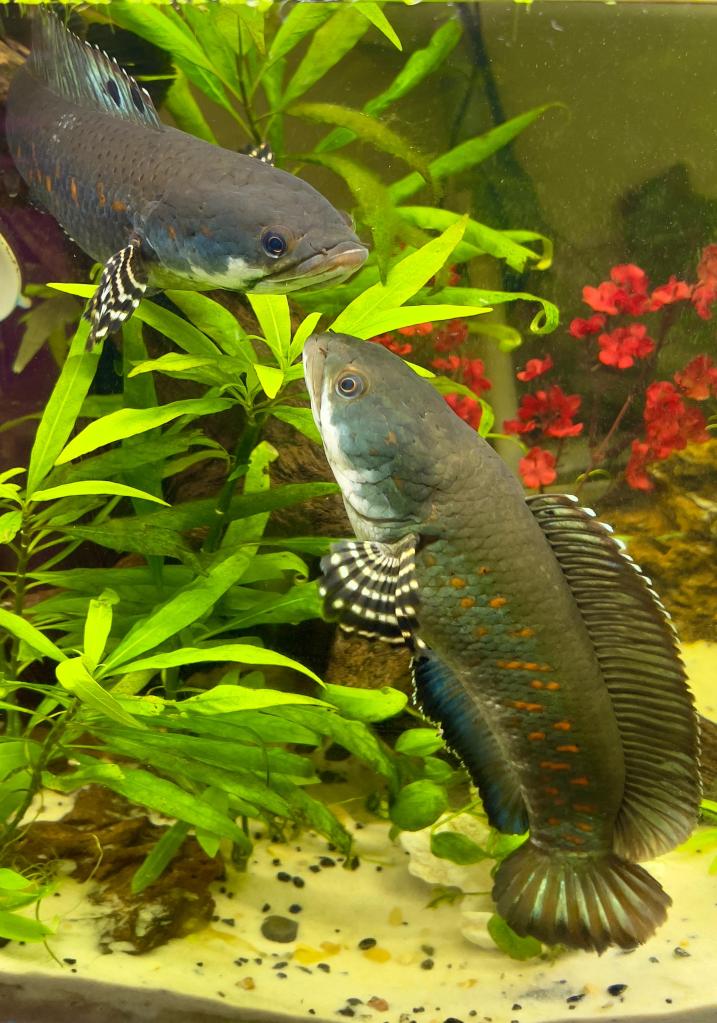
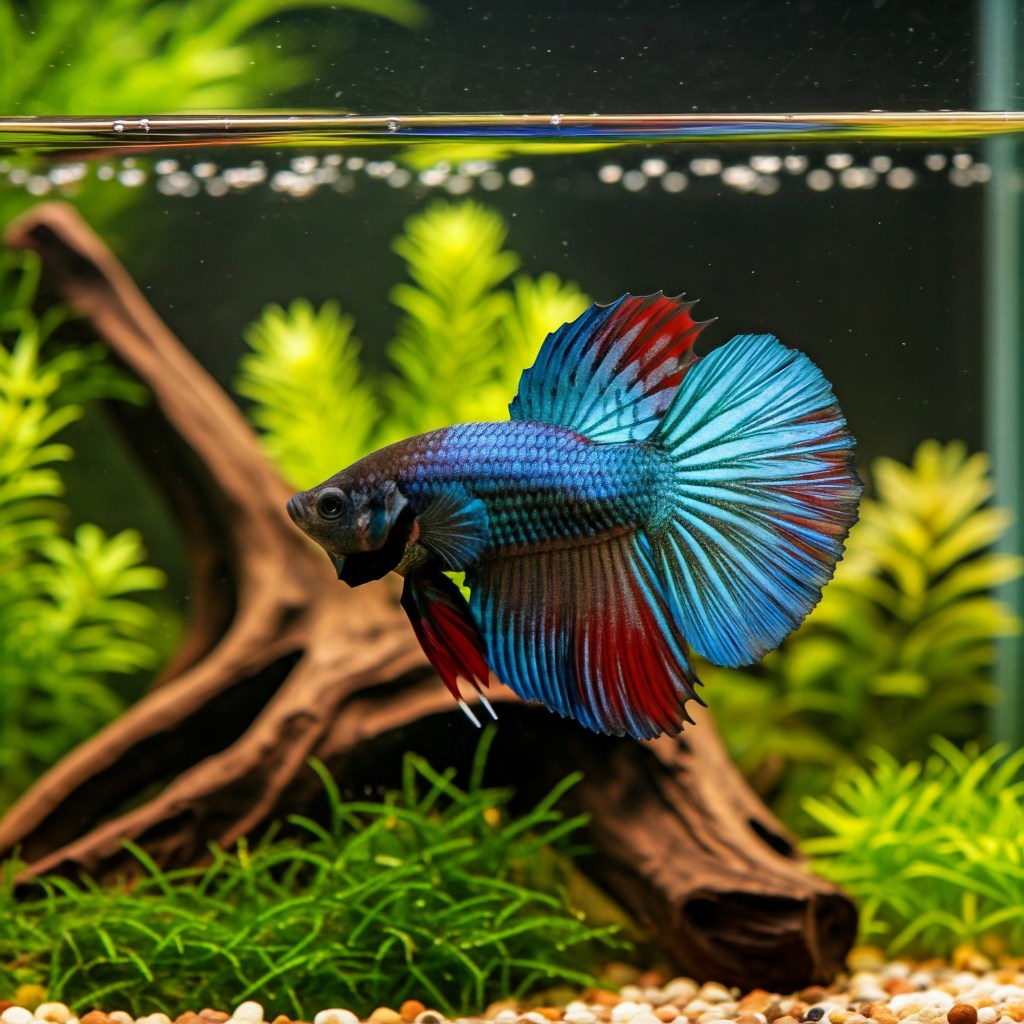
Primarily consume animal protein.
Diet: High in protein and low in carbohydrates.
Examples:
Channa Fish: Known as snakeheads. They enjoy live food.
Betta Fish: Enjoy live and frozen foods like bloodworms and daphnia.
What are the key fish feeding strategies?
- Overfeeding can lead to water quality issues.
- Underfeeding can result in nutrient deficiencies.
- General guideline: Feed once or twice a day, only as much as they can consume within a few minutes.
- Observe fish during feeding and adjust amounts accordingly.
Note: This information is for general guidance. Specific dietary requirements vary among species. Research the specific needs of your fish for optimal health.
Aquarium Fish Food And Nutrition FAQ
Most aquarium fish should be fed once or twice daily, with only enough food to be consumed within two minutes. Overfeeding degrades water quality faster than almost any other mistake, as decomposing food spikes ammonia and nitrite levels. Skipping one feeding day per week is beneficial for most species and supports healthy digestion.
Herbivore fish require a high-fiber, low-protein diet based on algae wafers, spirulina foods, and blanched vegetables. Omnivore fish thrive on varied diets combining plant and animal matter, including flake food, frozen bloodworms, and brine shrimp. Carnivore fish require animal-protein diets and cannot meet nutritional needs from plant-based foods.
Overfeeding fish degrades water quality rapidly, as uneaten food decays into ammonia and raises nitrate levels within hours. Food often settles into the substrate and continues decomposing beyond what the biological filter can handle. Removing uneaten food immediately and limiting feeding to two minutes per session prevents the entire chain of water degradation.
Herbivore aquarium fish eat primarily plant-based foods including algae wafers, blanched vegetables like zucchini or spinach, and spirulina-based flakes or pellets. They require regular plant matter and should never be kept on standard omnivore diets, which lack sufficient fiber. Plecos, Siamese algae eaters, and goldfish are common herbivore examples that thrive on species-specific feeding schedules.
Overfeeding your aquarium fish is visible when food remains on the substrate more than two minutes after feeding. Cloudy water shortly after meals and a sudden increase in algae growth are both reliable signs of excess nutrient input. Nitrate readings above 20 ppm in a well-maintained tank typically confirm consistent overfeeding.
Carnivore fish like bettas cannot meet their nutritional needs on standard omnivore flakes, which contain plant filler their digestion cannot process. Bettas require high-protein foods like frozen bloodworms, daphnia, and brine shrimp for optimal health and coloration. Feeding carnivore fish an omnivore diet long-term causes nutritional deficiencies, digestive stress, and immune suppression over time.
A community tank with mixed dietary needs requires target-feeding different food types to ensure each species receives appropriate nutrition. Sinking wafers or vegetables should reach bottom-dwelling herbivores before being eaten by mid-water omnivores. Carnivorous species like bettas should be fed in a separate zone or with targeted tools to prevent competition with less aggressive species.

Leave a Reply
You must be logged in to post a comment.