
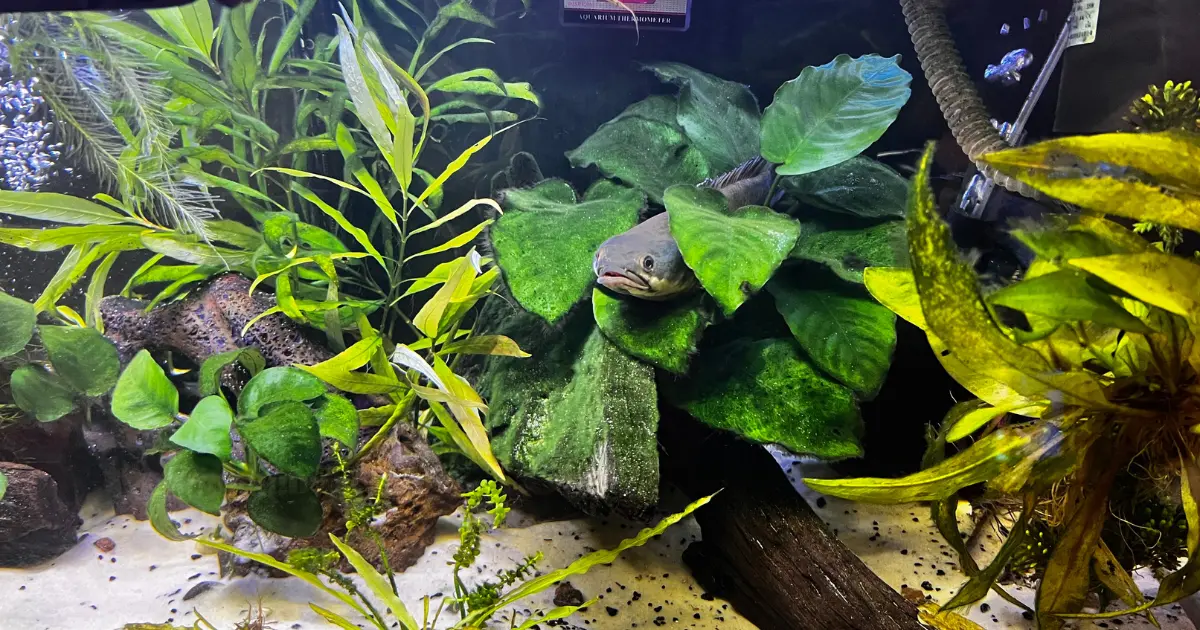
For years, I thought I knew what “pet care” meant. My cats only needed me to be their humble servant and can-opener-in-chief. In short, it was simple. Then, I got fish, and suddenly I learned there was something called aquarium water parameters.
I was standing in my kitchen, holding tiny vials of water up to the light, comparing shades of yellow and blue with the intensity of a forensic scientist. I was a part-time chemist with a minor in alchemy, desperately trying to understand words like “ammonia” and “nitrite.” At first, it was frustrating and, honestly, a little terrifying.
But then came the “aha!” moment. I realized that this “boring” science was the secret. Indeed, this was the real work. It wasn’t just about feeding pretty fish; it was about being the guardian of an entire, invisible world. That vial of murky water was like a report card. Therefore, seeing it finally clear was a victory that felt more profound than any cat-cuddle.
This guide is my “cheat sheet,” born from that moment of breakthrough. It’s here to turn your fear of chemistry into a feeling of empowerment. This is because once you understand this, you’re not just a pet owner anymore—you’re a world-builder.
What do aquarium water test results mean?
They are the results of testing your water parameters. In essence, they are the chemical and physical properties of the water in your aquarium. Consequently, they play a crucial role in the health and well-being of your aquatic inhabitants. By understanding and maintaining optimal water parameters, you can create a thriving aquatic environment. Furthermore, by understanding water parameters, the importance of water temperature, and the proper acclimation techniques, you can create a thriving and beautiful aquarium.
What are the most important aquarium water parameters to test for?
- pH: This measures the acidity or alkalinity of the water. Most freshwater fish prefer a slightly acidic to neutral pH range of 6.5 to 7.5. However, some species may have specific pH requirements.
- Temperature: The temperature of the water significantly impacts the metabolism, behavior, and overall health of your fish. Therefore, it’s essential to maintain a stable temperature within the preferred range for your specific fish species.
- Ammonia: A toxic byproduct of fish waste and uneaten food, ammonia can be lethal to fish. Beneficial bacteria in your aquarium convert ammonia into less harmful nitrite and then nitrate.
- Nitrite: Nitrite is also toxic to fish. However, it’s an intermediate step in the nitrogen cycle, where beneficial bacteria convert it into nitrate.
- Nitrate: While less toxic than ammonia and nitrite, high nitrate levels can still harm fish. Hence, Regular water changes and proper filtration help maintain nitrate levels.
- Hardness: Water hardness refers to the mineral content, primarily calcium and magnesium. It’s measured in degrees of hardness (dGH). Hard water can affect the pH and the availability of certain minerals.
- Alkalinity: Alkalinity is a measure of the water’s ability to resist changes in pH. It’s important for maintaining stable water conditions.
Why Aquarium Water Parameters Matter?
Water parameters directly impact the health, growth, and breeding success of your fish. Conversely, imbalances in these parameters can lead to stress, disease, and even death. Therefore, by monitoring and maintaining optimal water parameters, you can create a stable and healthy environment for your aquatic pets.
Do I need to worry about water temperature for my fish?
Water temperature is a critical factor in fish health. Each fish species has a specific temperature range that it thrives in. Maintaining the correct temperature is essential for:
Optimal Metabolism: Fish are cold-blooded animals, and their metabolism is directly influenced by water temperature.
Disease Prevention: Many fish diseases are more prevalent in water that is too cold or too warm.
Breeding Behavior: Many fish species require specific temperature conditions to initiate breeding behavior.
The Role of Aquarium Heaters
Aquarium heaters are essential for maintaining a stable water temperature, especially in colder climates or during seasons with fluctuating temperatures. They work by heating the water to a set temperature and maintaining it using a thermostat.
How to acclimate new fish to my aquarium?
Fish acclimation is the process of gradually adjusting a fish to its new environment. It’s a crucial step to minimize stress and ensure a smooth transition. Here’s how to acclimate a new fish:
- Temperature Acclimation: Float the sealed bag containing the fish in the aquarium for about 15-30 minutes to allow the water temperature to equalize.
- Water Parameter Acclimation: Gradually add small amounts of aquarium water to the bag over a period of 15-30 minutes. This helps the fish adjust to the water chemistry.
- Release: Carefully release the fish into the aquarium, avoiding any sudden movements or disturbances.
Aquarium Water Parameters FAQ
Ammonia, nitrite, and pH are the three most critical aquarium water parameters for any beginner to monitor from day one. Ammonia and nitrite are lethal to fish at low concentrations, while pH instability suppresses immune function. A basic liquid test kit covering all three parameters costs under 30 USD and is an essential first purchase.
Aquarium water parameters for ammonia should always read 0 ppm — there is no safe level of ammonia in an established tank. Any detectable ammonia indicates an incomplete nitrogen cycle, overfeeding, or a dead organism decomposing in the water. Immediate partial water changes and reduced feeding are the fastest corrective actions available to hobbyists.
Aquarium water parameters determine whether fish can breathe, feed, reproduce, and maintain their immune systems effectively. Ammonia and nitrite damage gill tissue and block the immune response, while incorrect pH disrupts cellular enzyme function. Stable, species-appropriate parameters are the foundation of disease prevention in any freshwater tank.
Most freshwater aquarium fish thrive at pH 6.5 to 7.5, covering tetras, corydoras, livebearers, and most cichlids. Species from South American blackwater habitats prefer lower pH near 6.0, while African Rift Lake cichlids require pH above 7.8. Research your species before adjusting pH, as incorrect levels cause chronic stress even when other parameters are stable.
High ammonia in aquarium water parameters requires an immediate 25–30% water change to dilute the toxic concentration before fish show symptoms. Stop feeding entirely for 24–48 hours, as uneaten food accelerates ammonia production in the tank. Long-term fixes include verifying the nitrogen cycle is fully established and avoiding overstocking beyond the filter’s capacity.
Unstable aquarium water parameters typically result from an incomplete nitrogen cycle, shifts in tap water chemistry, or significant temperature fluctuations. Overfeeding, a high bioload relative to filtration capacity, and infrequent water changes compound instability over time. New tanks are especially vulnerable during the first eight weeks before the biological filter fully matures.
New aquarium owners should test water parameters daily for the first eight weeks to track the nitrogen cycle through its establishment phase. Established tanks require testing once per week as a standard maintenance routine. Test immediately any time a fish looks unwell, a new fish is added, or feeding behavior suddenly changes.
Sources
- Aquarium Co-Op (Nitrogen Cycle & Parameters)
- Aqueon (Water Quality Guide)
- FishLab (Temperature & Metabolism)
- API Fish Care (Testing Guide)


Leave a Reply
You must be logged in to post a comment.