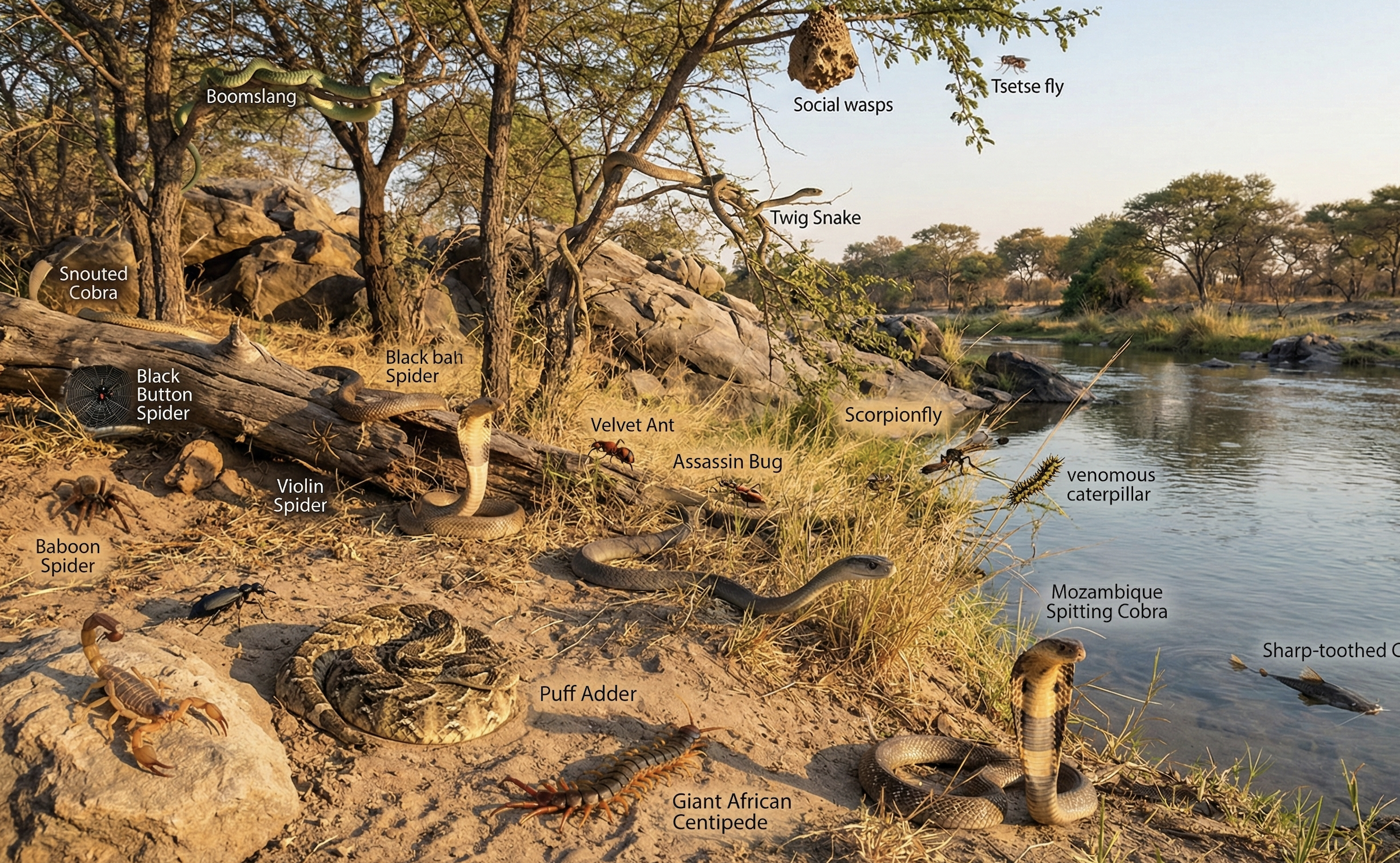
Botswana is the jewel of Southern Africa, a land of dramatic contrasts, from the stark beauty of the Kalahari Desert to the life-giving, labyrinthine waterways of the Okavango Delta. It is a safari destination unlike any other, a place where life is dictated by the rhythm of the water. While our eyes are often scanning the horizon for elephants and lions, a more secretive and ancient world of venomous creatures thrives in the sand, the trees, and the very waters you glide through. This guide is your essential field manual, designed to foster respect, not fear, for the incredible biodiversity of this wild and untamed nation.
The World’s Largest, Most Dangerous Aquarium
In my house, I am a master of the canister filter, a benevolent ruler of pH, and a stern zookeeper for my aquatic turtles who have the audacity to make their water dirty. My aquariums are my carefully controlled, pristine little worlds.
And then there’s the Okavango Delta.
The Okavango Delta is a continent-sized, unfiltered, and highly dangerous aquarium, the realization that you are no longer observing from behind glass is both thrilling and profoundly humbling. It’s a hilarious and terrifying reminder that out here, you are not the keeper; you are just another part of the food chain. This guide is written with the deep and abiding respect you gain when you realize the water is full of things that can bite back.
Which Venomous Snakes Are Common in Botswana?
Black Mamba (Dendroaspis polylepis)
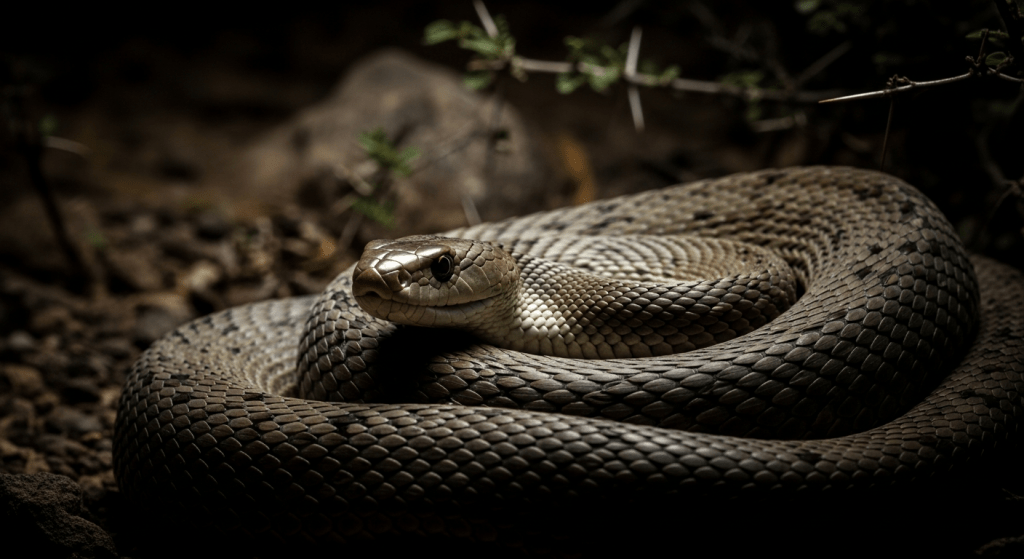
The Black Mamba is Africa’s longest venomous snake. In fact, it is famous for its incredible speed and potent neurotoxic venom. However, it is a surprisingly shy snake. Consequently, it will always choose flight over fight if given the chance.Specifically, when threatened, it displays a terrifying defense mechanism. It lifts its head high and opens its mouth to reveal a jet-black interior. Furthermore, it hisses loudly to warn you. If cornered, it strikes repeatedly with deadly accuracy. Therefore,
Puff Adder (Bitis arietans)
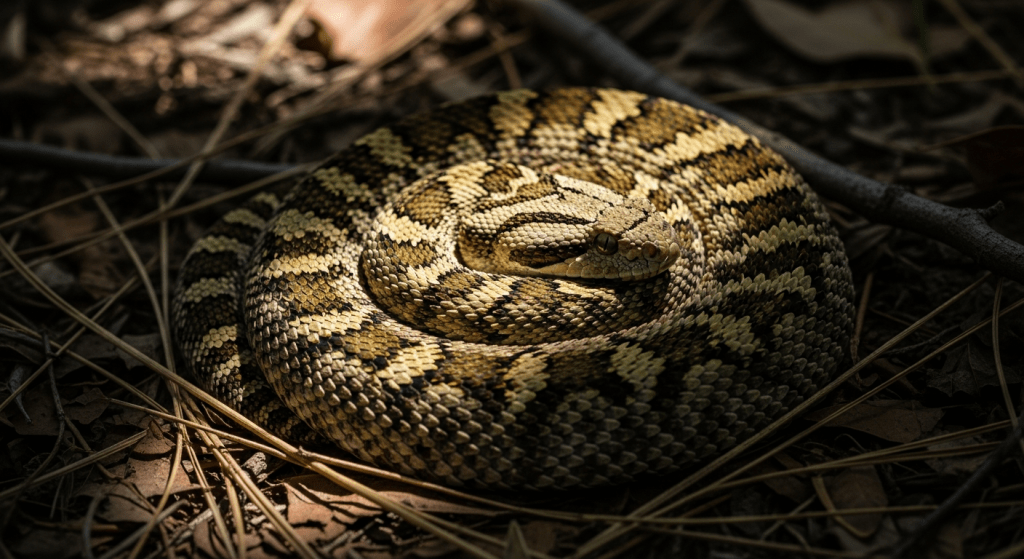
This thick-bodied viper is a master of camouflage. Unfortunately, it is responsible for a high number of serious snakebites. This is because it freezes when approached. Instead of fleeing, it relies on its pattern to hide in leaf litter and sandy soil. However, it has a distinct warning system. Specifically, it inhales deeply and hisses loudly. This sound resembles a tyre deflating. But do not be fooled by its sluggish appearance. In fact, it strikes faster than the blink of an eye. Therefore, always watch your step on trails.
Mozambique Spitting Cobra (Naja mossambica)

This snake is extremely common in the Okavango. As a result, encounters are frequent. As its name implies, it can accurately spit its cytotoxic venom. Specifically, it aims for the eyes to blind its attacker. Moreover, it can spit from a distance of two meters. Consequently, it is responsible for many serious snakebites. If you encounter one, protect your face immediately. Furthermore, wear sunglasses when walking in the bush. If venom hits your eyes, rinse them with water immediately.
Snouted Cobra (Naja annulifera)

This is a large, impressive cobra that does not spit. Instead, it possesses a powerful neurotoxic venom. Furthermore, you can find it in a variety of habitats. These range from savanna to dense forests. When threatened, it spreads a massive hood to look larger. Additionally, it may hiss aggressively to scare you. However, it prefers to escape down a hole. Therefore, give this snake a wide berth. In fact, it will usually move away if you leave it alone.
Boomslang (Dispholidus typus)
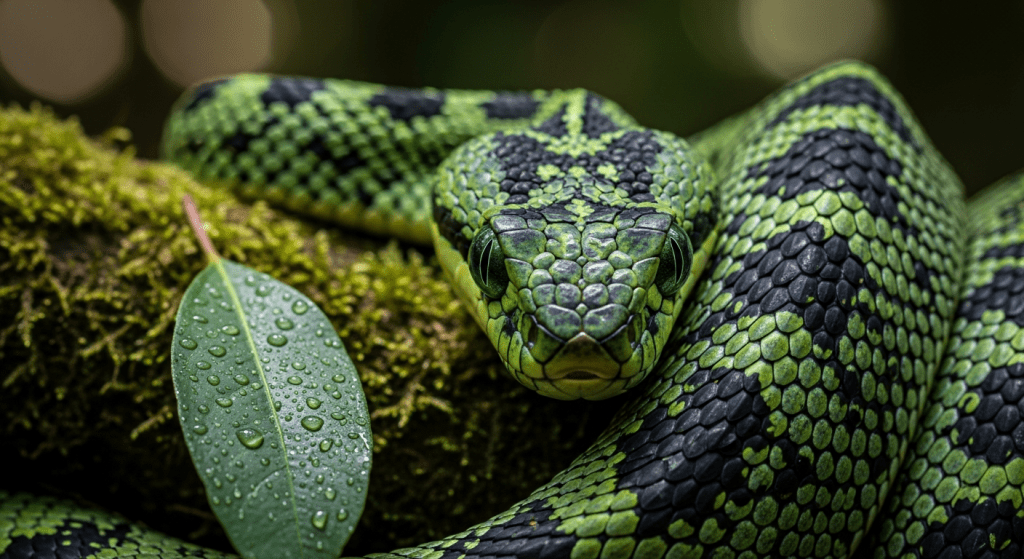
This is a highly venomous, rear-fanged, and arboreal (tree-dwelling) snake. Fortunately, they are incredibly shy. Consequently, bites are very rare. However, their hemotoxic venom is life-threatening. Specifically, it stops blood from clotting. When agitated, the Boomslang inflates its neck area significantly. As a result, it looks much larger than it is. Because they live in trees, you must look up during walks. Startlingly, they often look like green branches. Therefore, never grab a branch without checking it first.
Twig Snake (Thelotornis capensis)
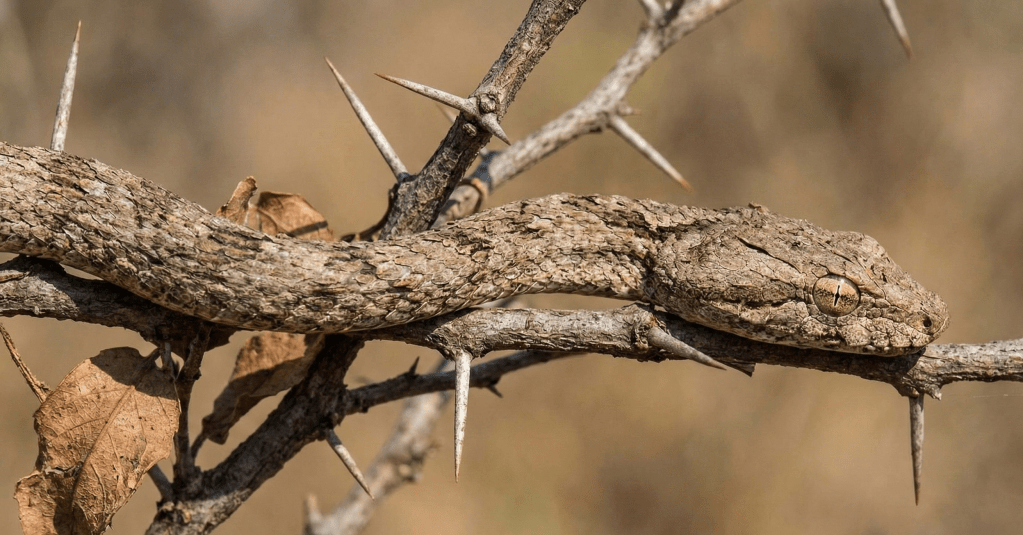
This snake is perfectly camouflaged to look like a twig on a branch. In fact, it can remain motionless for hours. Like the Boomslang, it is a shy, rear-fanged snake. Furthermore, it carries a slow-acting but dangerous hemotoxic venom. When threatened, it inflates its throat to display bright colors. Specifically, you might see flashes of white and orange. However, spotting them is notoriously difficult. Therefore, avoid brushing against low-hanging branches in the bush.
What Venomous Spiders and Scorpions Should I Be Cautious Of?
Black Button Spiders (Latrodectus species)
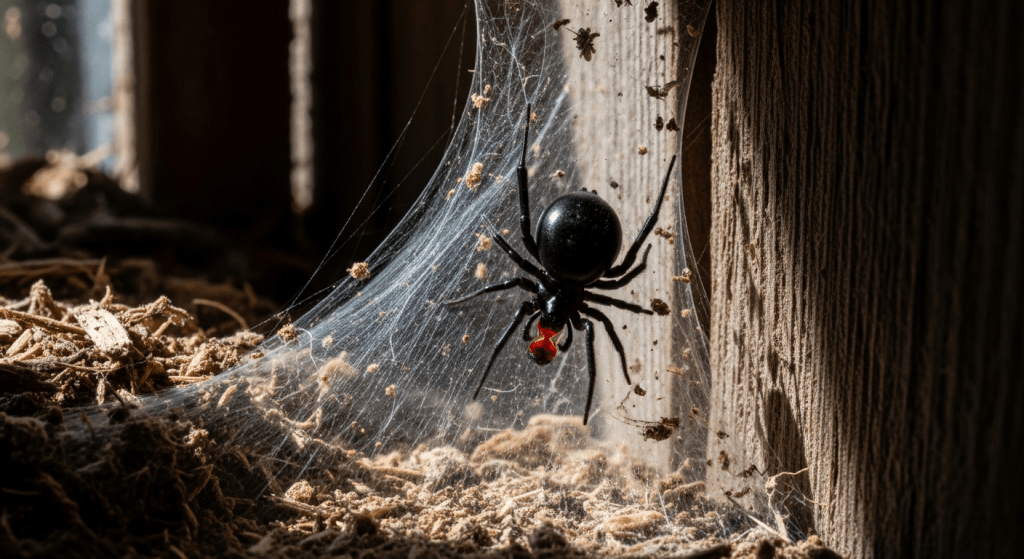
These are the African version of the Black Widow. Specifically, females possess a potent neurotoxic venom. Furthermore, they build their messy, tangled webs in dark, undisturbed areas. Usually, they hide in old logs or under rocks. Therefore, wear gloves when moving camp gear. If bitten, seek medical attention immediately.
Violin Spiders (Loxosceles species)

These are shy, reclusive spiders. Unfortunately, their cytotoxic bite can cause slow-healing necrotic sores. Typically, they hide in dark corners or shoes. Consequently, they rarely bite unless you crush them against your skin. Therefore, always shake out your shoes before putting them on.
Thick-Tailed Scorpions (Parabuthus species)
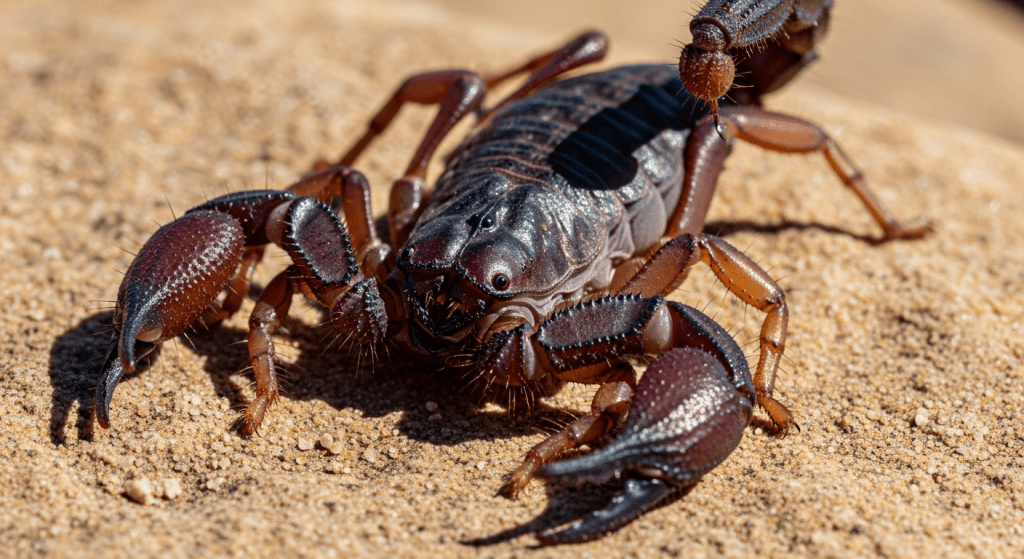
This group includes several species. Notably, they are the most medically significant scorpions in Botswana. In fact, their sting is excruciatingly painful. Moreover, their neurotoxic venom can be very dangerous. Specifically, look for thick tails and small pincers. As a rule, this combination signals danger. Therefore, use a UV torch at night to spot them.
Baboon Spiders (Tarantulas)
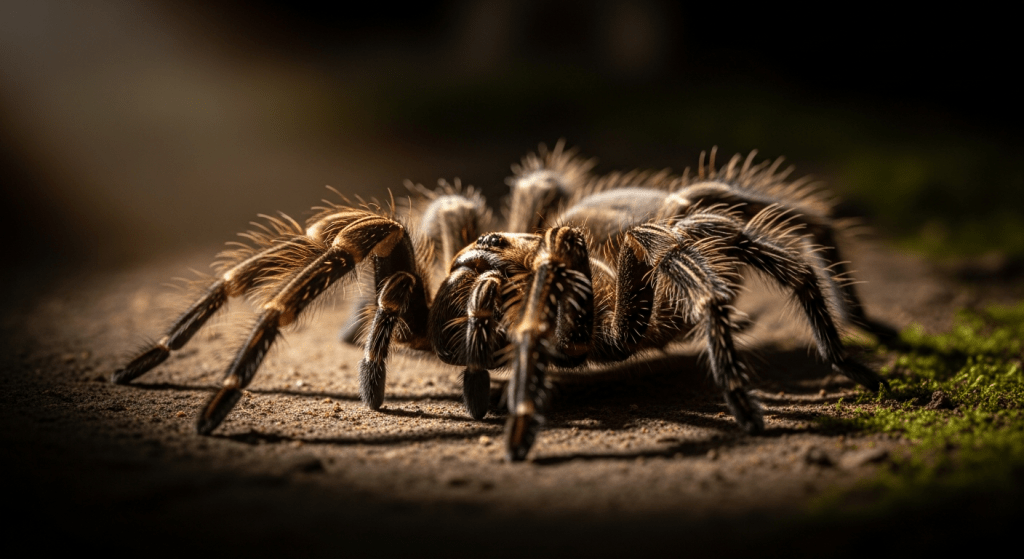
These spiders are large and intimidating. However, their bite is not considered medically significant to humans. Althoughit is painful, it is dry. Usually, they raise their front legs to warn you. So, simply step back and admire them.
Are There Venomous Creatures in the Okavango Delta Waters?
While the large predators like crocodiles are the main concern, the water is not without its venomous inhabitants.
Sharp-toothed Catfish (Clarias gariepinus)
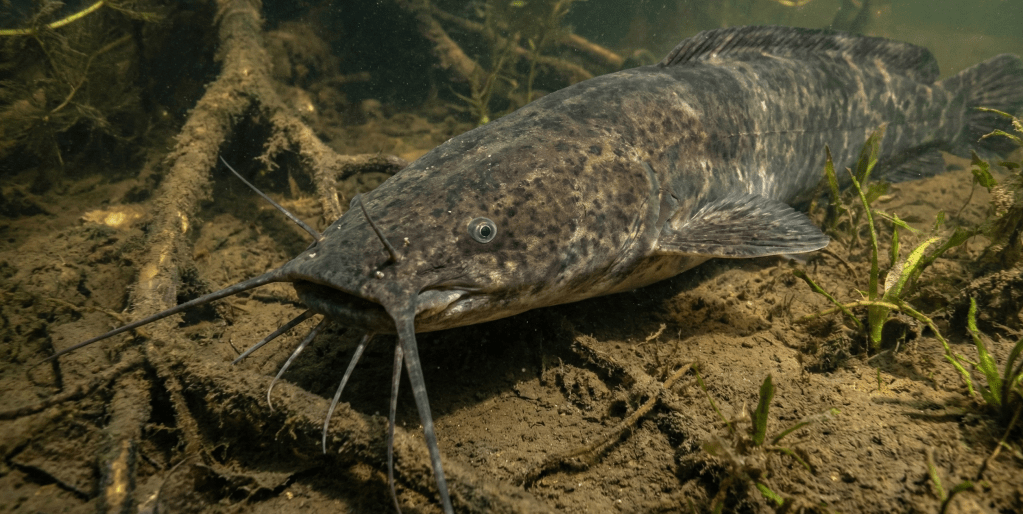
This is a very common fish in the delta. However, it carries a hidden weapon. The sharp, leading spines on their pectoral and dorsal fins possess a coating of mild venom. Consequently, a “sting” from one of these is not life-threatening. But it can be intensely painful. Furthermore, the wound is prone to secondary infection. Therefore, handle all fish with extreme care.
Water Cobra (Naja annulata)
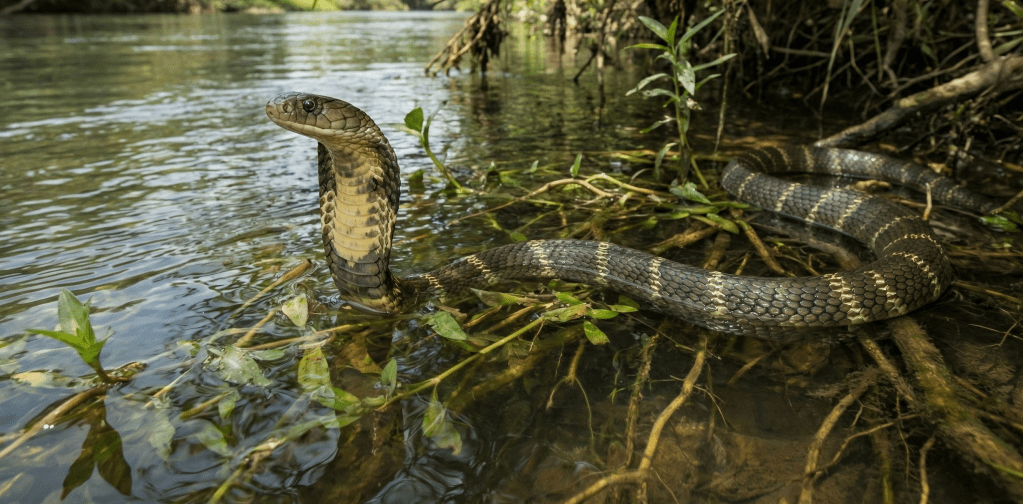
Most water snakes in the delta are harmless. However, venomous species like the Water Cobra exist. Specifically, they live in the northern deep waters. Fortunately, you will rarely encounter them. But they are strong swimmers. Therefore, do not provoke any snake you see swimming.
What Other Venomous Creatures Should I Know About?
Giant African Centipede (Scolopendra species)
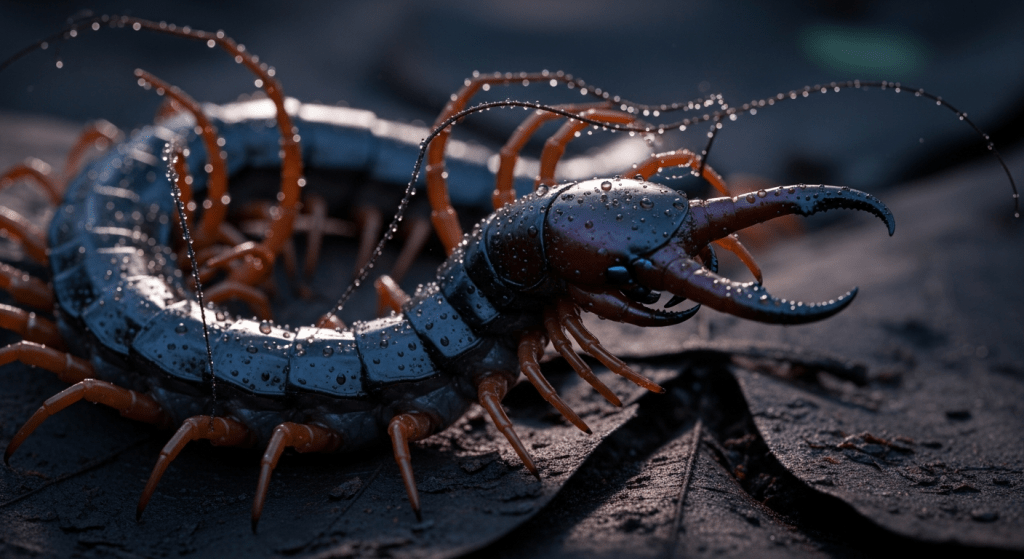
This is a formidable predator. In fact, it delivers a very painful venomous bite. Specifically, it uses modified legs called forcipules. Therefore, never pick one up with bare hands.
Blister Beetles

These beetles carry a chemical defense. When crushed, they release a potent toxin called cantharidin. As a result, this causes severe blistering on the skin. Therefore, do not swat them. Instead, gently blow them off your skin.
Velvet Ants (Mutillidae)
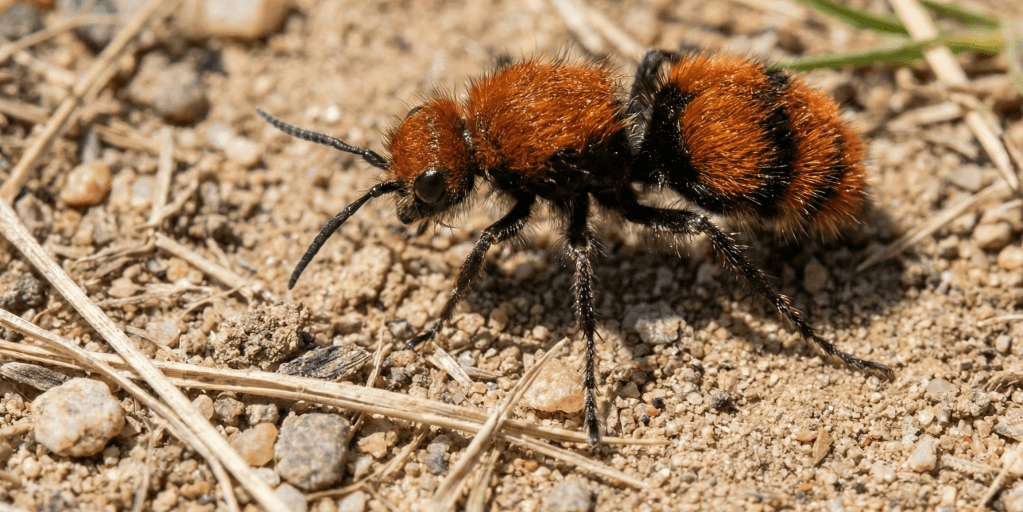
This creature is not an ant. Actually, it is a flightless female wasp. Specifically, locals know them as “cow killers.” This is because they possess an extraordinarily painful sting. Furthermore, their exoskeleton is incredibly hard. Therefore, admire their fuzzy colors from a distance.
Social Wasps and Hornets
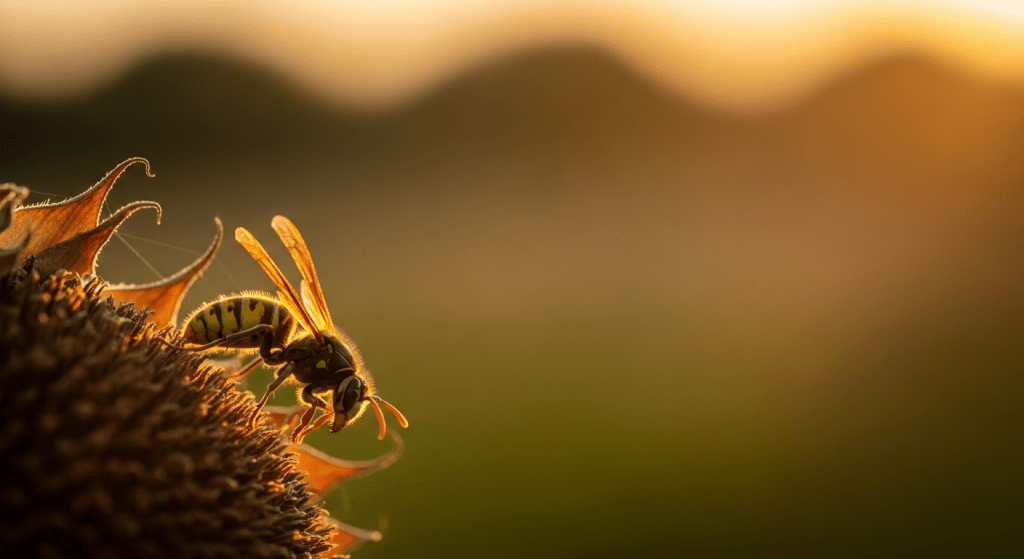
Several species build nests in trees. Unfortunately, they can deliver painful stings. This happens if you disturb their colony. Therefore, watch for nests while walking through the bush.
Assassin Bugs

These are predatory insects. However, they can deliver a painful “sting-like” bite. This occurs primarily if handled. Therefore, avoid touching unknown bugs.
Scorpionflies
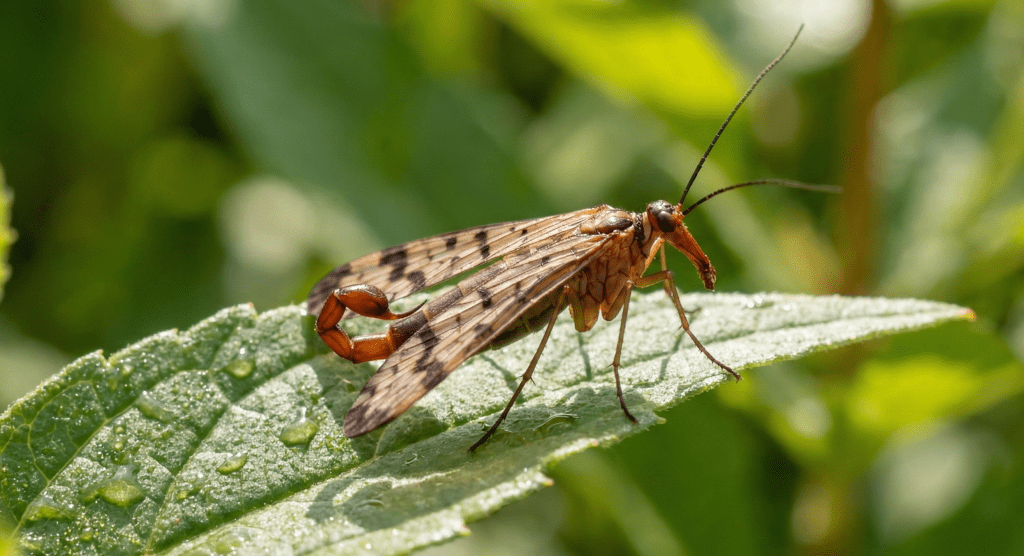
They look intimidating with their scorpion-like tail. However, the “stinger” on the male is actually harmless genitalia. Consequently, they are not venomous. In fact, they are completely safe.
Caterpillars

Some species of caterpillars are covered in venomous spines. As a result, they cause a painful, itchy rash if touched. Therefore, never touch a fuzzy caterpillar. Instead, use a stick to move it.
Tsetse Fly
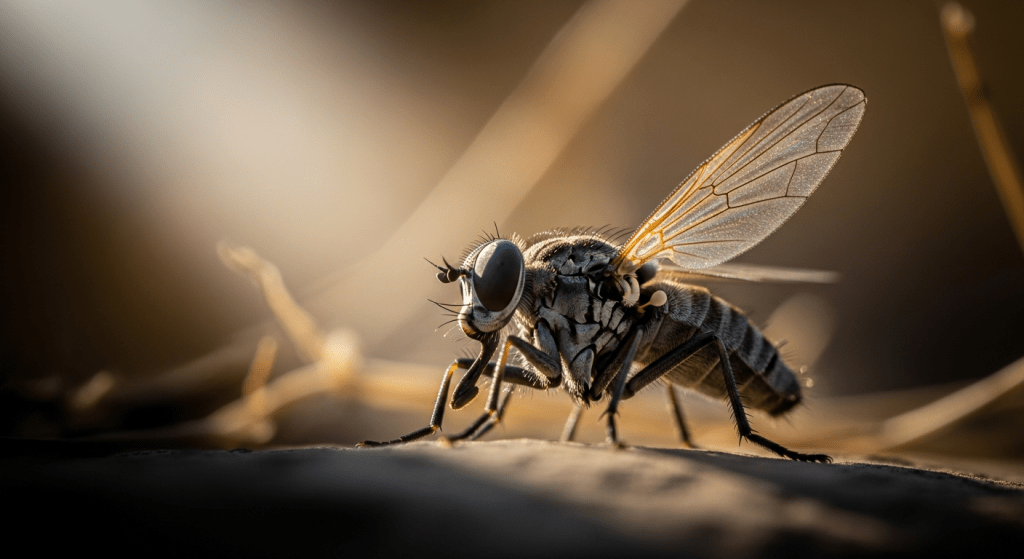
This fly is famous for its painful bite. Moreover, it is a vector for “sleeping sickness.” Although not traditionally venomous, its bite causes irritation. Therefore, avoid wearing dark blue or black clothing. In fact, they are attracted to these colors.
What Should I Do in Case of a Bite or Sting?
- Alert Your Guide Immediately: Your professional safari guide is your first and most important resource. Specifically, they are trained in first aid. Furthermore, they know the local fauna. Therefore, inform them instantly.
- Stay Calm and Still: You must limit movement. As a result, this slows the potential spread of venom. Moreover, panic increases heart rate.
- Seek Medical Help: For any serious snakebite or scorpion sting, professional medical evaluation is essential. In fact, time is of the essence. Therefore, initiate evacuation protocols immediately.
Sources
- African Snakebite Institute
https://www.africansnakebiteinstitute.com/snake/black-mamba/ - National Geographic
https://www.nationalgeographic.com/animals/article/spitting-cobras-venom-evolution-eyes - University of Melbourne (AVRU)
https://biomedicalsciences.unimelb.edu.au/departments/pharmacology/engage/avru/blog/the-deadly-biology-of-the-boomslang - The Scorpion Files
https://www.ntnu.no/ub/scorpion-files/parabuthus.php - Smithsonian Magazine
https://www.smithsonianmag.com/science-nature/velvet-ant-wasp-defenses-180963339/

Leave a Reply