

Kenya and Tanzania are the stuff of legend. They are the lands of the Great Migration, of vast savannas ruled by lions, and of majestic elephants silhouetted against a setting sun. When we dream of an African safari, these are the giants that fill our imagination. But beneath the feet of these titans lies another, more secretive world—a world of highly specialized creatures, some of which are venomous, that have mastered the art of chemical warfare. Venomous species play a key role in this intricate environment. This is the world of venom. This guide is not meant to inspire fear, but to foster a deep and healthy respect for the smaller, and often more dangerous, inhabitants of this incredible ecosystem.
However, beneath the feet of these titans lies another, more secretive world. In fact, it is a world of highly specialized creatures. Moreover, many have mastered the art of chemical warfare. This is the world of venom. Importantly, this guide is not meant to inspire fear. Instead, it aims to foster a deep and healthy respect. Ultimately, these smaller inhabitants are often the most dangerous members of this incredible ecosystem.
The Buffet Has Arrived
Technically, in my own home, I am the top of the food chain. For instance, I am the bringer of food. Additionally, I am the master of thermostats. In short, I am the benevolent god of my tiny, enclosed worlds. Consequently, my authority is absolute and unquestioned. However, there is a noticeable exception. My cats, of course, completely ignore this hierarchy.
On the other hand, a safari in the Serengeti changes everything. Suddenly, I am just a soft piece of the food chain. Moreover, I am slow-moving and poorly camouflaged. At that moment, I become acutely aware of my true status. Specifically, I am no longer the keeper. Instead, I am merely a guest in a much older, powerful kingdom. As a result, my brain enters a constant, low-grade panic. In particular, I worry about the smaller venomous things. After all, these are the threats hiding under rocks and in grass. Therefore, this guide is written with profound respect. Ultimately, it reflects the humility one feels when realizing the truth. That is, you are effectively part of the buffet.
Which Venomous Snakes Should I Be Aware Of?
Black Mamba (Dendroaspis polylepis)
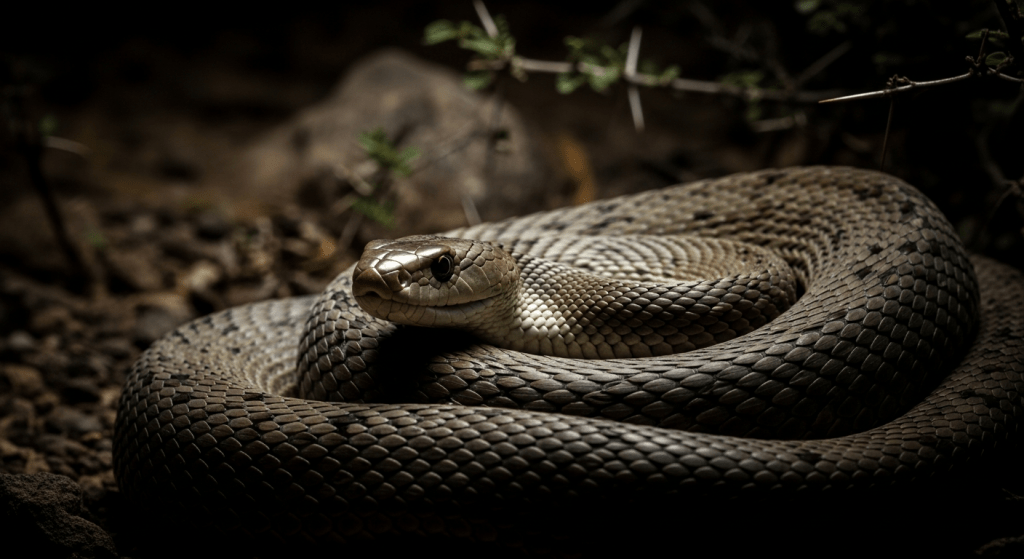
This snake is an icon of the African bush. Furthermore, it is the longest venomous snake on the continent. It can grow up to 14 feet long. Additionally, it is terrifyingly fast. It can move at speeds of up to 12.5 miles per hour.
Nature & Defense
Despite its reputation, the Black Mamba is actually shy. It prefers to escape. However, if you cut off its escape route, it changes instantly. It will raise a third of its body off the ground. Then, it spreads a narrow hood and gapes its black mouth. This is a clear warning. If ignored, it strikes repeatedly with deadly neurotoxic venom.
How to Deal With It
If you see one, freeze immediately. Do not try to run. Sudden movements trigger its chase instinct. Instead, back away very slowly. Keep your eyes on the snake at all times.
Puff Adder (Bitis arietans)
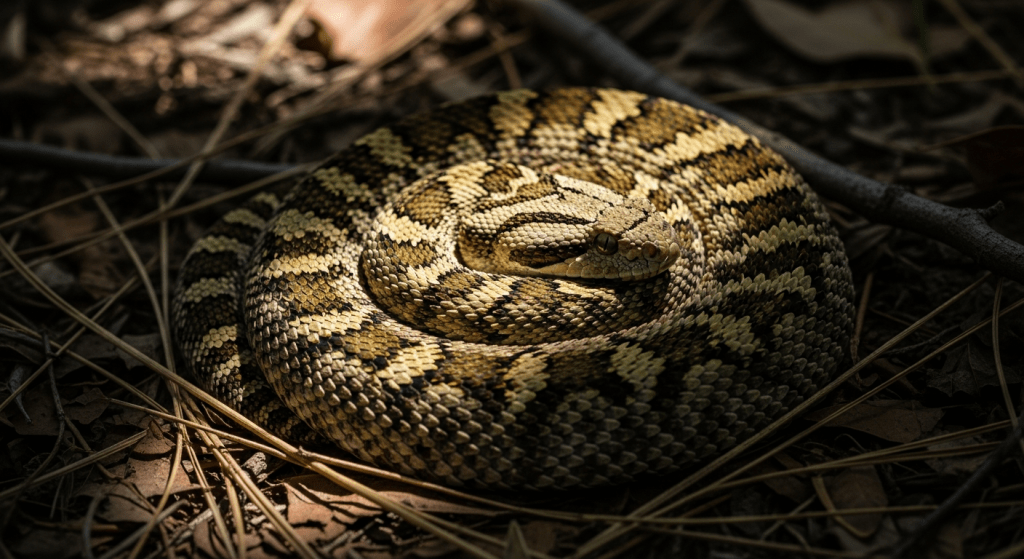
This is a heavy, sluggish venomous viper. In fact, it is responsible for the most snakebites in Africa. This is not because it is aggressive. Rather, it is because it is lazy.
Nature & Defense
The Puff Adder relies entirely on camouflage. It blends perfectly into dry leaves and dirt. Consequently, it will not move even if you walk right towards it. Its primary defense is a loud, deep hiss. This sounds like air escaping a tire. Its venom is cytotoxic. Therefore, it causes massive tissue damage and extreme pain.
How to Deal With It
Stick to clear paths. Furthermore, watch where you step. If you are walking in tall grass, stomp your feet. The vibrations usually encourage the snake to move away.
Boomslang (Dispholidus typus)
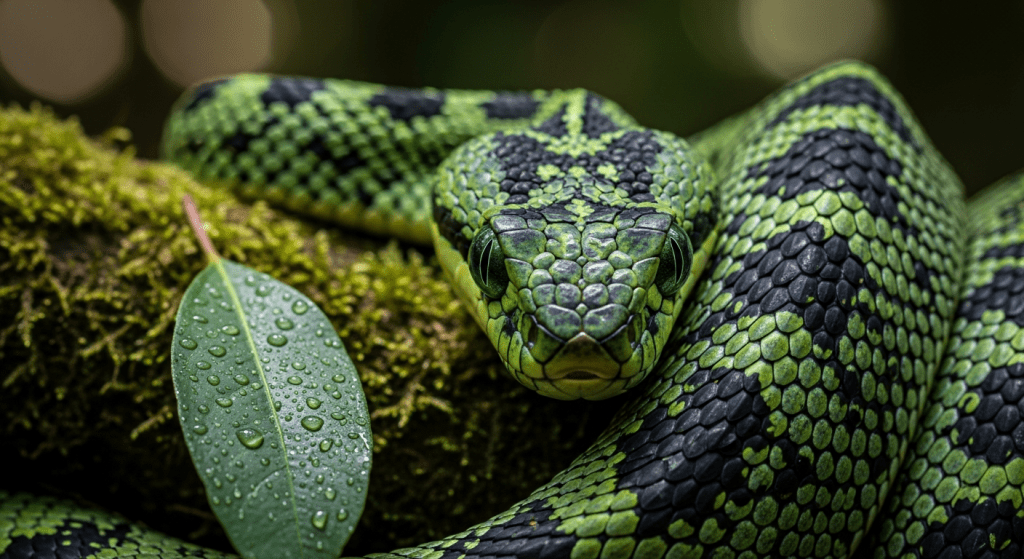
This is a beautiful, slender venomous creature. Specifically, the males are often a vibrant, emerald green. In contrast, the females are usually brown. It has exceptionally large eyes for spotting prey.
Nature & Defense
The Boomslang is a timid tree-dweller. Uniquely, it is rear-fanged. This means it must chew to inject venom. Its venom is hemotoxic. As a result, it prevents blood from clotting. If threatened, it inflates its neck region. This makes it look much larger than it is.
How to Deal With It
Look up when walking under trees. However, bites are extremely rare. Simply do not try to handle them. If you leave it alone, it will happily ignore you.
Black-necked Spitting Cobra (Naja nigricollis)
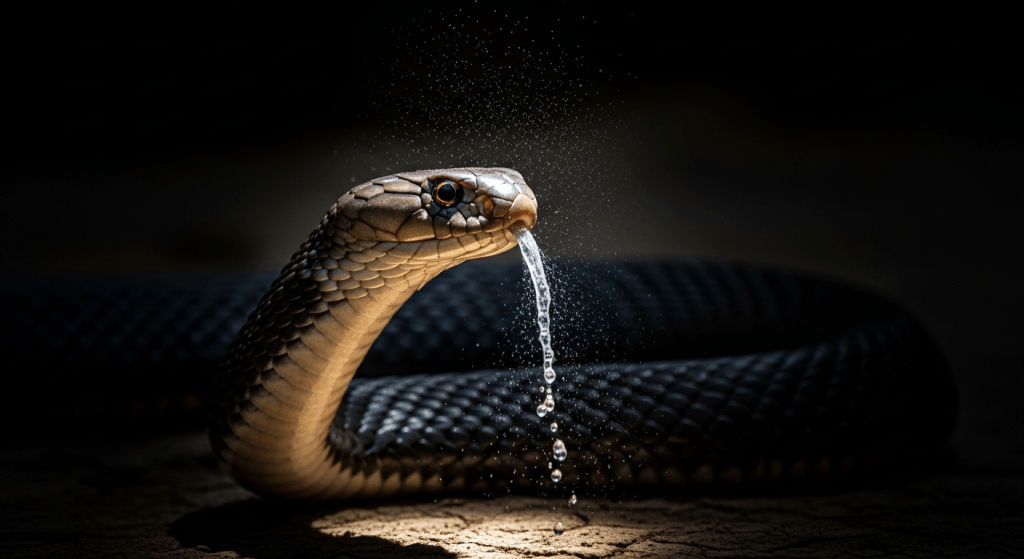
This venomous cobra is famous for its unique projectile weapon. It is a highly adaptable snake. You can find it in savannas and even near human settlements.
Nature & Defense
This snake prefers to fight from a distance. Specifically, it can spit venom with incredible accuracy. It aims for the eyes. The venom is cytotoxic. Therefore, it burns the corneas and can cause permanent blindness. It will rear up and spread its hood before spitting.
How to Deal With It
Wear sunglasses or protective eyewear on walking safaris. If venom hits your eyes, wash them immediately. Use water, milk, or any bland liquid. Rinse them for at least 20 minutes.
Other Significant Venomous Snakes
Gaboon Viper (Bitis gabonica)
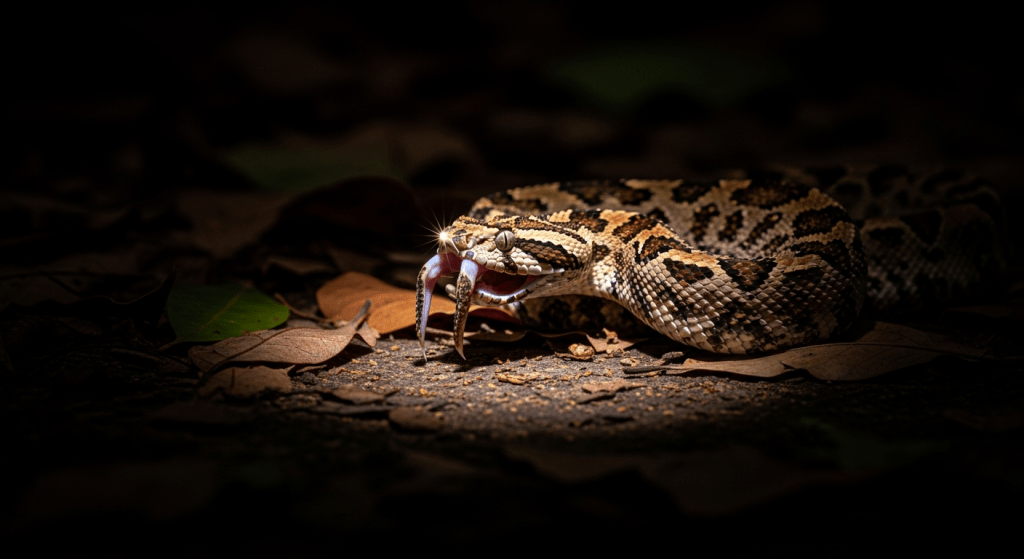
This is the heavyweight wrestler of the venomous viper world. It has a massive, triangular head. Additionally, it possesses the longest fangs of any snake. They can reach up to two inches long.
Nature & Defense
It is incredibly docile. In fact, it rarely bites unless stepped on. Its pattern mimics the leaf litter perfectly. Therefore, it is almost invisible on the forest floor. It is an ambush predator that strikes with explosive speed.
How to Deal With It
Watch your footing in rainforest areas. Wear heavy boots. Because they are so docile, simply walking around them is usually safe.
Saw-Scaled Viper (Echis species)
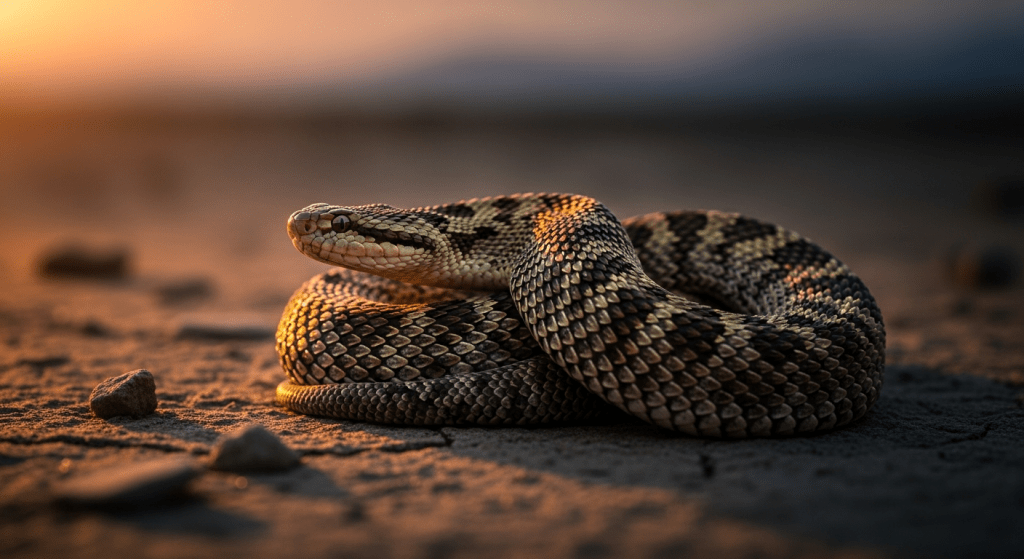
This snake is small but has a nasty temper. It is arguably the deadliest snake in the world by death toll. This is due to its proximity to populated areas.
Nature & Defense
It is irritable and aggressive. When threatened, it coils its body into a C-shape. Then, it rubs its rough scales together. This creates a terrifying “sizzling” sound. This warning is distinct and loud.
How to Deal With It
Listen for the sizzling sound. If you hear it, stop. Locate the sound and move in the opposite direction. Do not underestimate its small size.
Green Mamba (Dendroaspis angusticeps)
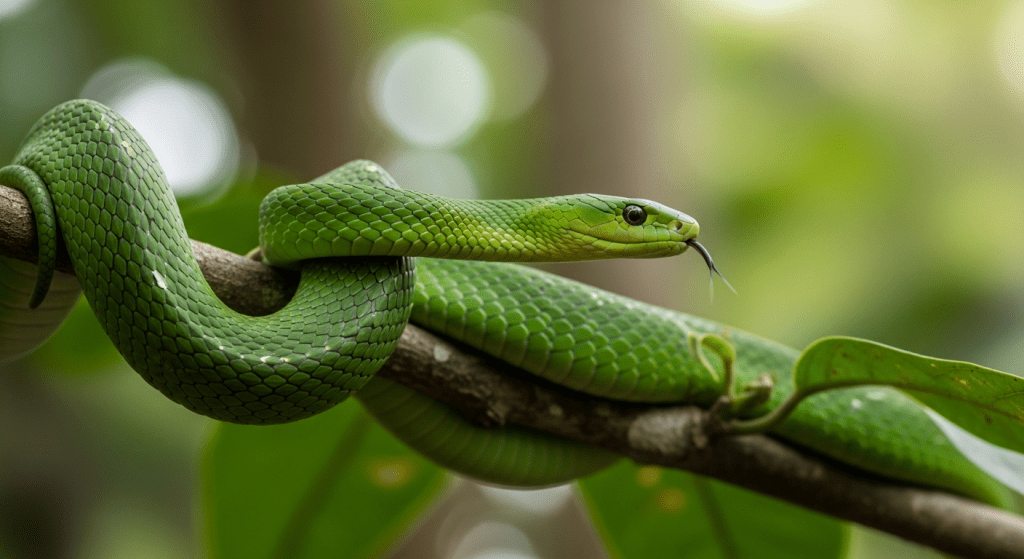
This is the smaller, arboreal cousin of the Black Mamba. It is an emerald green jewel of the coastal forests.
Nature & Defense
It spends almost all its life in the trees. It is shy and non-aggressive. Unlike the Black Mamba, it rarely drops to the ground. It uses its neurotoxic venom to hunt birds and small mammals.
How to Deal With It
Scan the branches above you. Generally, they will flee through the canopy long before you see them.
What About Spiders and Scorpions?
Button Spiders (Latrodectus species)
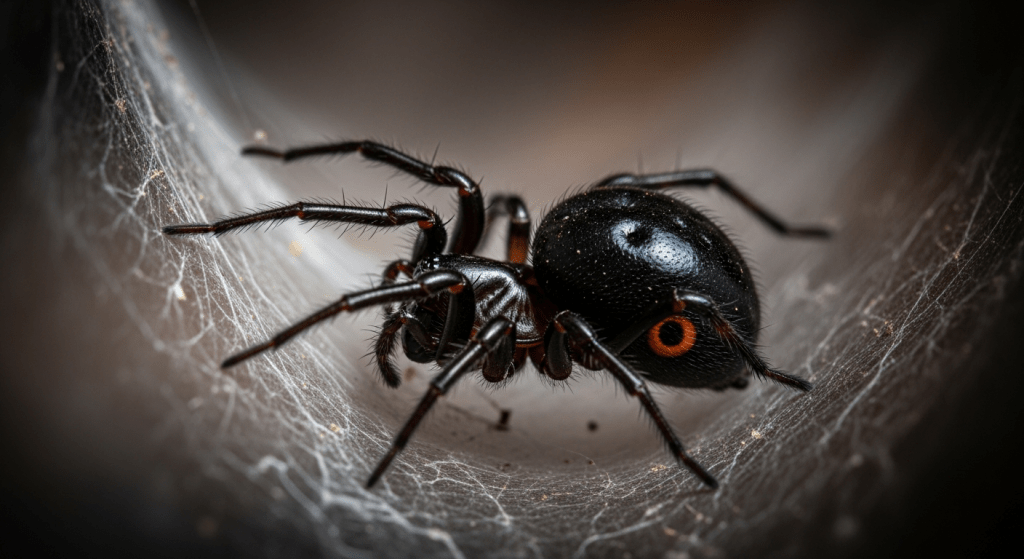
These are the African equivalent of the Black Widow. Specifically, they have a round, bulbous abdomen.
Nature & Defense:
They build messy, irregular webs. Usually, you find them low to the ground or in dark corners. They are not aggressive. However, they will bite if crushed against the skin. Their venom is neurotoxic. Consequently, it causes sweating, muscle cramps, and chest pain.
How to Deal With It:
Shake out your shoes before putting them on. Do not put your hands into dark holes or crevices.
Violin Spiders (Loxosceles species)

These are small, unassuming venomous spiders. They are often brown or grey.
Nature & Defense
They are hunters that wander at night. Their venom is cytotoxic. This means it destroys cells. A bite may cause a necrotic ulcer that heals very slowly. However, they are reclusive.
How to Deal With It
Check your bedding before sleeping in rustic camps. Furthermore, keep your luggage zipped shut.
Baboon Spiders (Tarantulas)
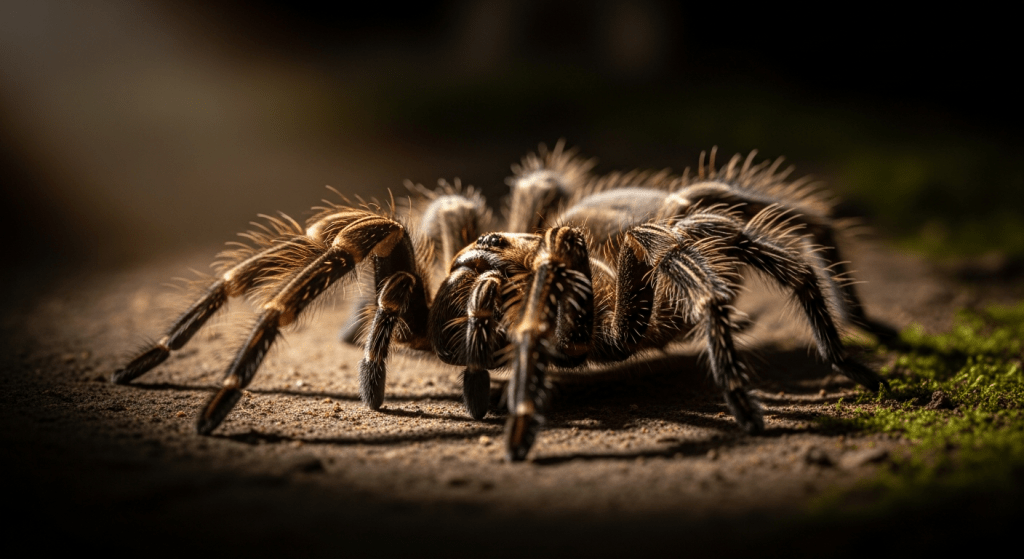
These are the giants of the spider world in Africa. They are hairy and bulky.
Nature & Defense
They live in silk-lined burrows. Despite their size, they are mostly harmless to humans. However, they have large fangs. Therefore, a bite feels like a hornet sting. They will rear up and expose their fangs if threatened.
How to Deal With It
Admire them from a distance. Do not try to tease them out of their burrows.
Fat-Tailed Scorpions (Parabuthus species)

These are the ones to watch out for. As the name suggests, they have thick, powerful tails.
Nature & Defense
They are active hunters. Uniquely, some species can spray venom. Their sting is excruciating. It can cause heart palpitations and breathing difficulties. They are aggressive if provoked.
How to Deal With It
Wear closed shoes at night. Use a UV torch. Scorpions glow bright blue under UV light. This makes them easy to spot.
Striped Scorpions (Opistophthalmus species)
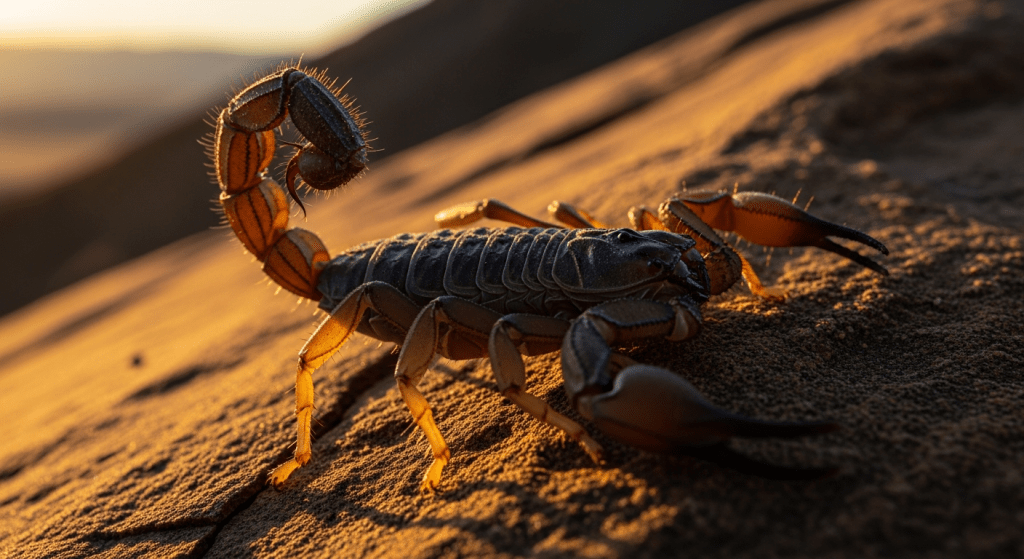
These are generally burrowing scorpions. They have large pincers.
Nature & Defense
They rely more on their pincers than their venom. Consequently, their venom is milder. A sting is painful but rarely serious. They will raise their claws in defense.
How to Deal With It
Leave rocks and logs alone. They often hide underneath them during the day.
Other Venomous Creatures
Giant African Centipede (Scolopendra species)
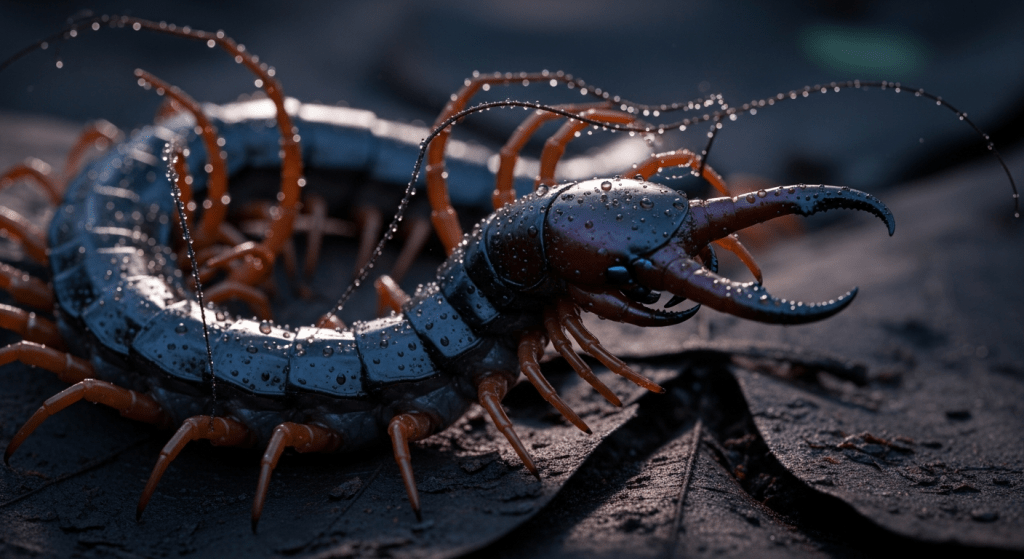
These are armored nightmares. They can grow up to 12 inches long.
Nature & Defense
They are fast and aggressive predators. They grip prey with their legs. Then, they deliver venom through modified front legs. The pain is instant and intense.
How to Deal With It
Never handle them. If one crawls on you, brush it off gently. Do not grab it.
Blister Beetles

These are slow-moving beetles. They are often brightly colored.
Nature & Defense
They do not bite or sting. Instead, they bleed reflexively. They release a chemical called cantharidin. This chemical causes large, water-filled blisters on human skin.
How to Deal With It
Do not touch them. If one lands on you, blow it off. Do not squash it against your skin.
Puss Caterpillar
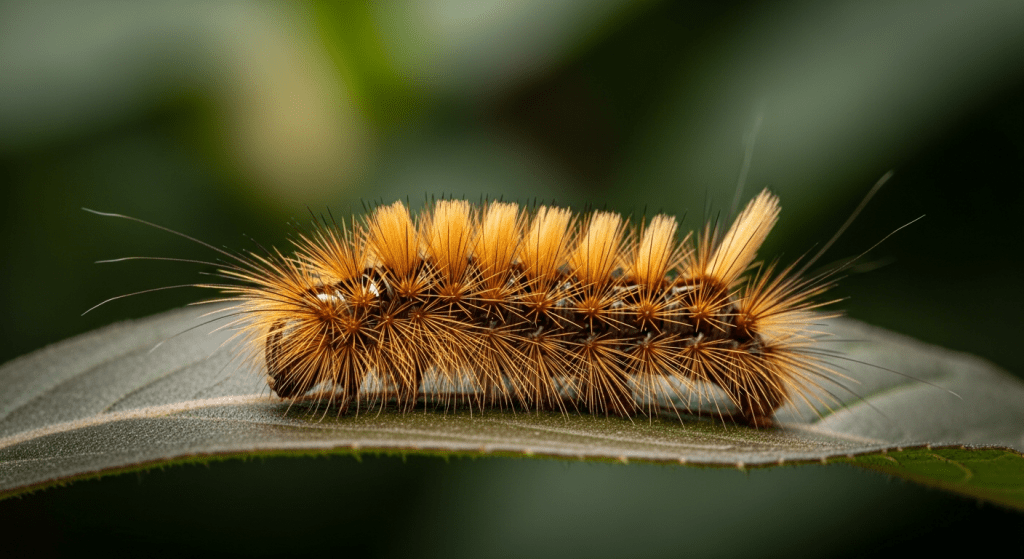
This looks like a moving tuft of hair. It appears soft and pettable.
Nature & Defense
Do not be fooled. Under the fur, there are venomous spines. Touching them delivers a sting worse than a bee. It causes throbbing pain and swelling.
How to Deal With It
Teach children not to touch “furry” bugs. Avoid brushing against leaves in dense brush.
Safari Ants / Siafu
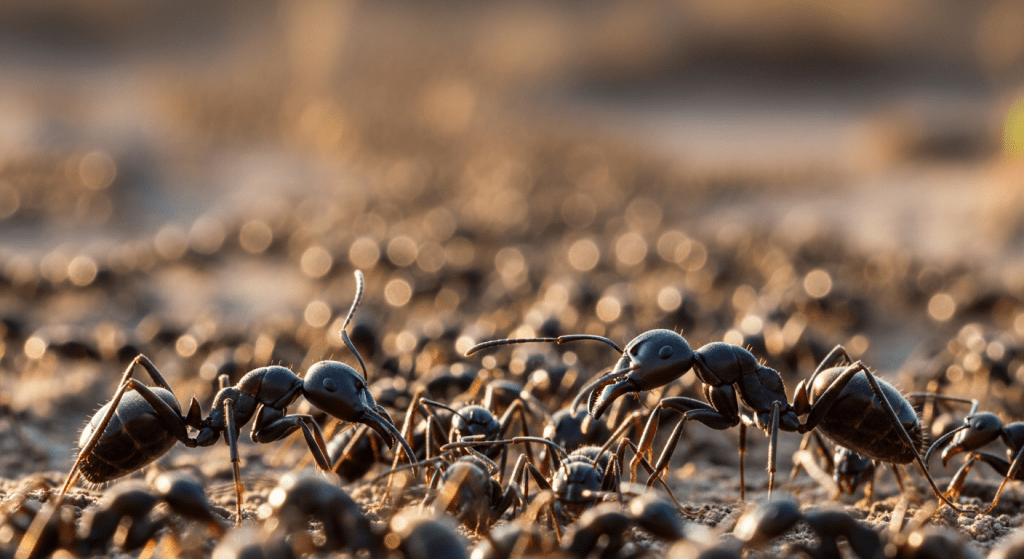
These are the legendary army ants. They move in columns of millions.
Nature & Defense
They have massive jaws. They bite and hold on. Then, they sting. They are fearless. They will swarm anything in their path. This includes tethered animals or sleeping people.
How to Deal With It
Watch the ground. If you see a column of reddish-brown ants, step over it quickly. Do not stand still near them.
Jumping Spiders
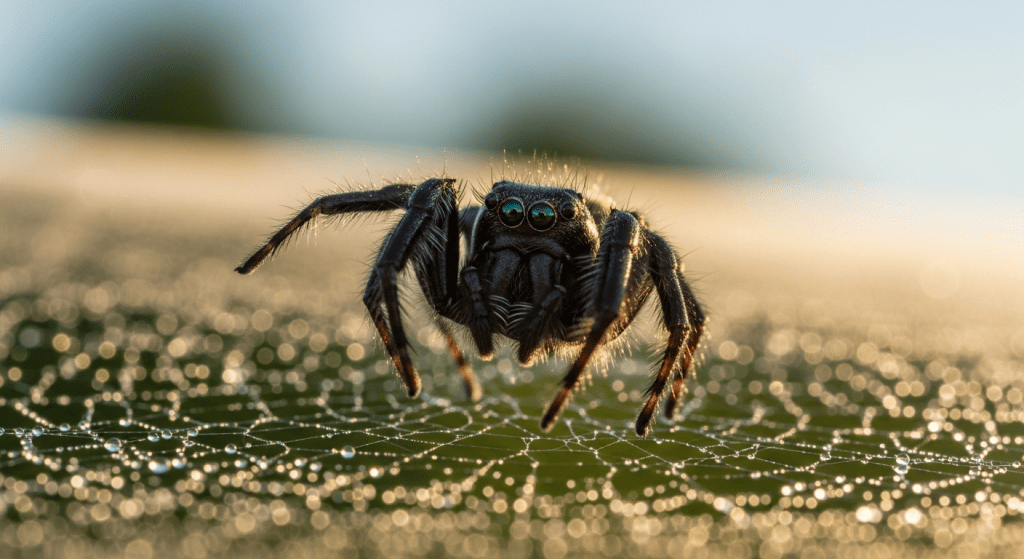
These are the puppies of the spider world. They have big eyes and seemingly curious personalities.
Nature & Defense
They are active hunters. They jump on their prey. While they have venom, it is weak. It is barely noticeable to humans. They are friendly and rarely bite.
How to Deal With It
Enjoy them! They are harmless and fun to watch.
Social Wasps and Bees
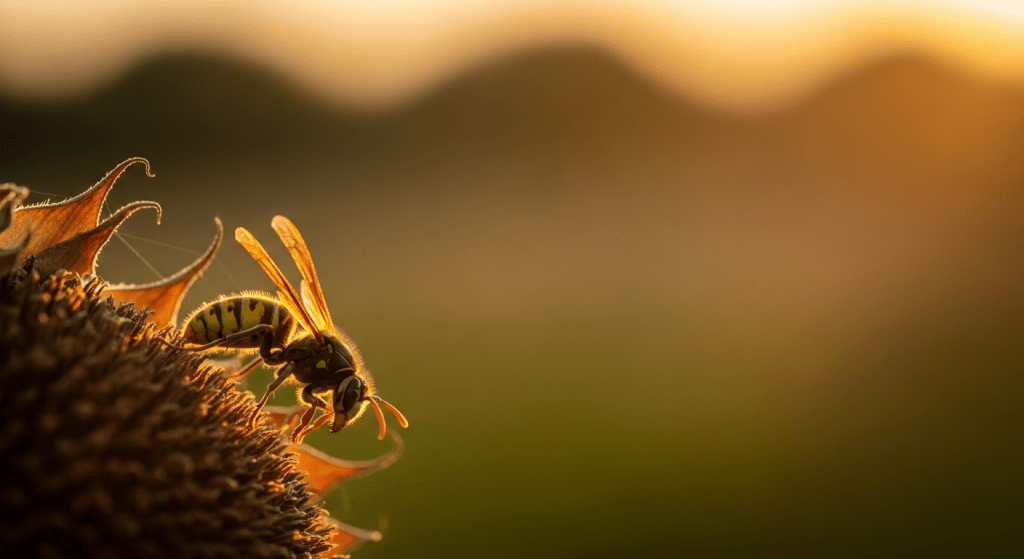
Africa has many species of stinging insects.
Nature & Defense
They defend their nests aggressively. African honeybees are particularly defensive. They swarm in large numbers if the hive is disturbed.
How to Deal With It
Stay away from hanging nests. If attacked, run. Do not play dead. Run in a straight line until they stop following.
Tsetse Fly
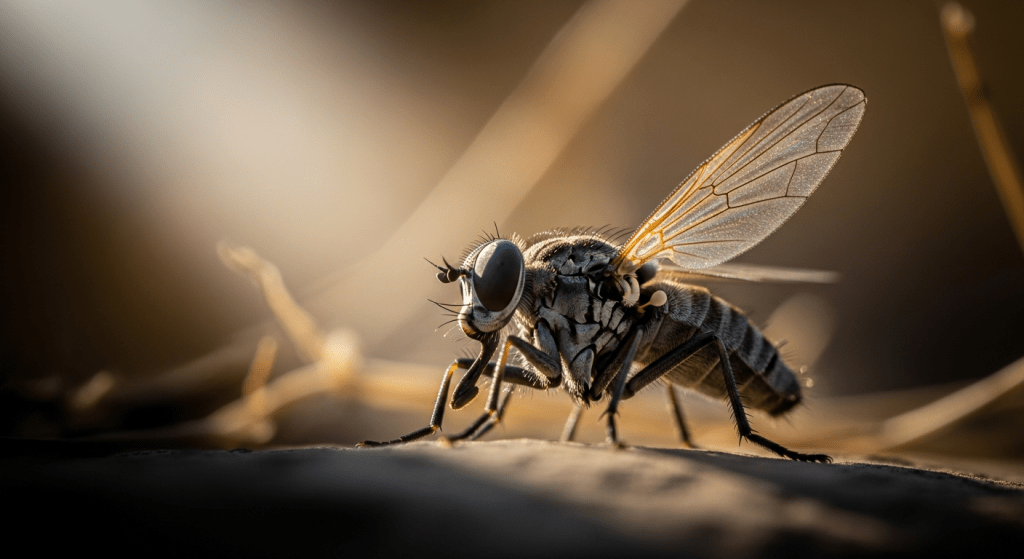
This is a large, biting fly. It looks like a housefly wearing a suit of armor.
Nature & Defense
It feeds on blood. Its bite feels like a hot needle. It carries Sleeping Sickness. However, the risk to tourists is generally low.
How to Deal With It
Wear neutral colors like khaki. They are attracted to dark blue and black. Use insect repellent with DEET.
Assassin Bugs

These are strange-looking insects. They have a long, beak-like mouthpart.
Nature & Defense
They use their beak to stab prey. Then, they inject digestive enzymes. If you pick one up, it will stab you in self-defense. The pain is immediate and lasting.
How to Deal With It
Do not handle bugs you do not recognize.
What Should I Do If I Am Bitten or Stung?
- Do Not Panic. Move Away: Your heart rate spreads venom. Therefore, keep calm. Calmly get away from the animal to prevent another bite.
- Seek Immediate Medical Attention: This is not optional. The quality of medical care in lodges and cities is excellent. Furthermore, your guide is trained in first aid and emergency response.
- Follow Your Guide’s Instructions: Your safari guide is a trained professional. They know exactly how to handle these situations. Listen to them.
- Do NOT try old-school remedies Do not cut the wound. Do not suck out the venom. Additionally, do not apply a tourniquet. These methods often cause more damage than the venom itself.
Sources
- African Snakebite Institute
https://www.africansnakebiteinstitute.com/snake/black-mamba/ - National Geographic
https://www.nationalgeographic.com/animals/article/deadliest-snake-africa-puff-adder - University of Melbourne (AVRU)
https://biomedicalsciences.unimelb.edu.au/departments/pharmacology/engage/avru/blog/the-deadly-biology-of-the-boomslang - Scientific American
https://www.scientificamerican.com/article/how-spitting-cobras-aim-for-the-eyes/ - The Scorpion Files
https://www.ntnu.no/ub/scorpion-files/parabuthus.php


Leave a Reply