
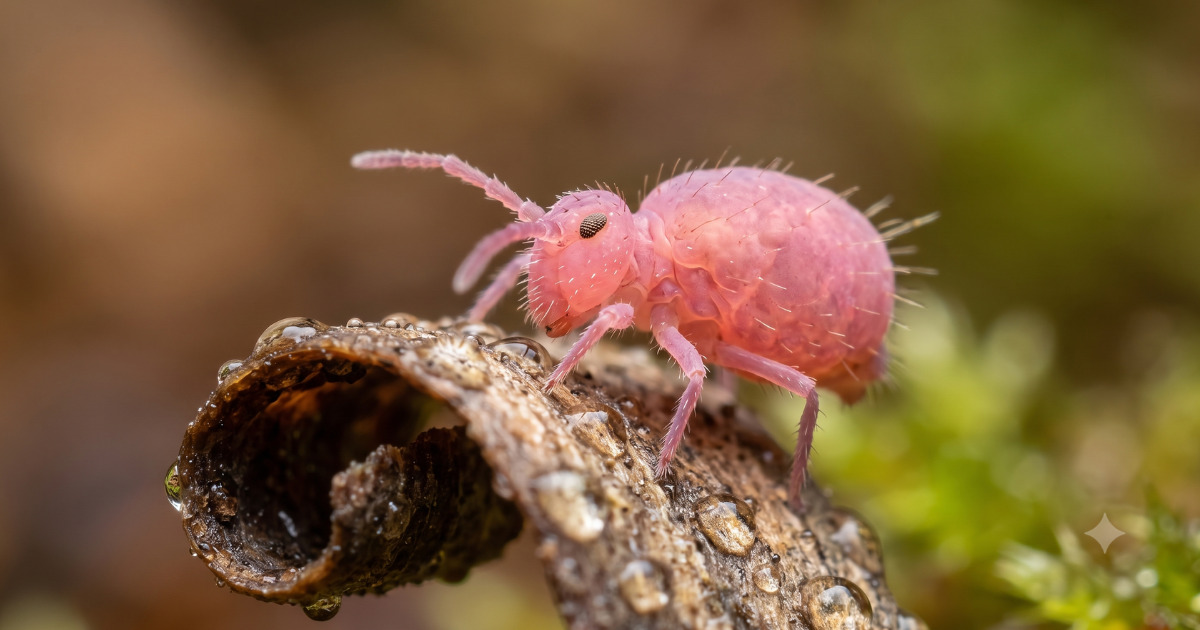
It sits on a curl of wet bark, smaller than the letter you’re reading right now. Blink, and it’s gone, not hiding, not crawling away. Gone, the way a struck match flares and disappears. Somewhere a body-length away, or fifty, it’s already landed. The internet calls it teleportation. Biology calls it Tuesday. Lets talk about the incredible Springtail.
A Springtail Weighs Less Than a Raindrop and Still Runs the Forest Floor

Most springtails measure somewhere between 1 and 3 millimeters. Some species stretch closer to 6mm, but the one in that viral clip sits comfortably at the smaller end. Consequently, it’s easy to miss entirely until it moves. At that size, a springtail is roughly the length of this sentence’s period, magnified. It is, by any measure, an organism built to be overlooked. That’s exactly the point.
It Has Six Legs, But It Isn’t an Insect, and That Distinction Actually Matters

Springtails belong to Class Collembola, not Class Insecta. They share the six-leg hexapod body plan with true insects, but they diverged from that lineage long ago and lack several insect-defining traits, including certain mouthpart structures and a true metamorphic life cycle. In other words: six legs gets you close to insect, but it doesn’t get you there. Taxonomists still debate exactly where Collembola sits on the arthropod family tree, but the “not a true insect” label is the accepted mainstream position.
Damp Soil Isn’t a Compromise for a Springtail – It’s the Whole Design Brief
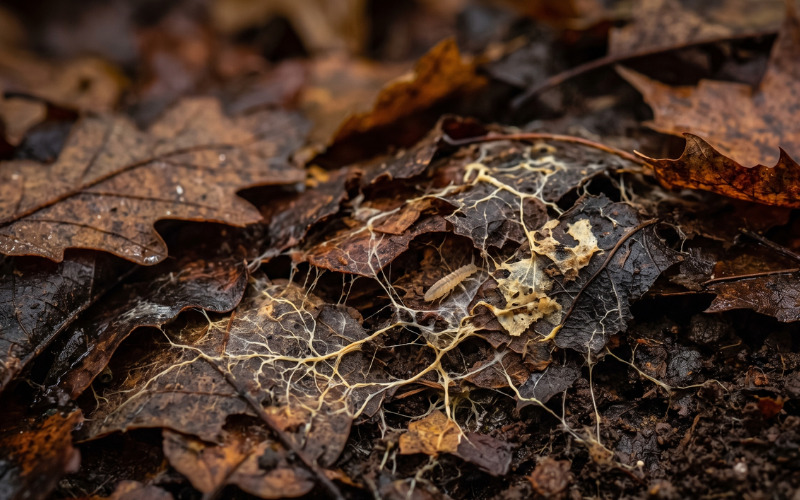
Leaf litter, moss, rotting wood, the underside of a damp stone, springtails don’t tolerate these environments, they require them. Moisture regulates their body function directly, since Collembola lack the waxy cuticle that lets many insects conserve water. Therefore, dry soil isn’t just inconvenient for a springtail. It’s lethal.
Decay Isn’t Something a Springtail Survives – It’s Something a Springtail Eats
Fungi, algae, bacteria, and decomposing organic material make up the bulk of a springtail’s diet. As a result, these tiny arthropods function as one of the soil’s quiet janitorial crews, breaking down dead material and cycling nutrients back into the ecosystem faster than fungi and bacteria could manage alone. Springtails don’t clean up after the forest. They’re part of how the forest stays alive.
The Furcula Is a Loaded Spring, and the Springtail Is Its Own Trigger

Underneath the abdomen sits a forked appendage called the furcula, folded tight and locked in place by a smaller structure called the tenaculum. When a springtail is startled, the tenaculum releases in a fraction of a second. The furcula snaps downward against the ground, and the entire body catapults into the air. Indeed, this happens fast enough — and far enough relative to body size — that human eyes simply can’t track the motion. It doesn’t teleport. It disappears at a frame rate our vision can’t keep up with.
“Teleportation” Is Just a Story We Tell When Physics Moves Faster Than Our Eyes
A springtail launching itself several centimeters is, at its scale, the rough equivalent of a human clearing a football field in one jump. However, unlike a long jumper, the springtail has almost no control over where it lands. The furcula fires it into the air, and gravity and air resistance handle the rest. Consequently, it’s not a targeted escape. It’s closer to a self-triggered ejector seat with no steering wheel. The “vanishing” effect is simply distance and speed, stacked on top of a body too small for our eyes to follow in real time.
My Vivariums Run on Creatures Just Like This, and I Rarely Give Them Credit
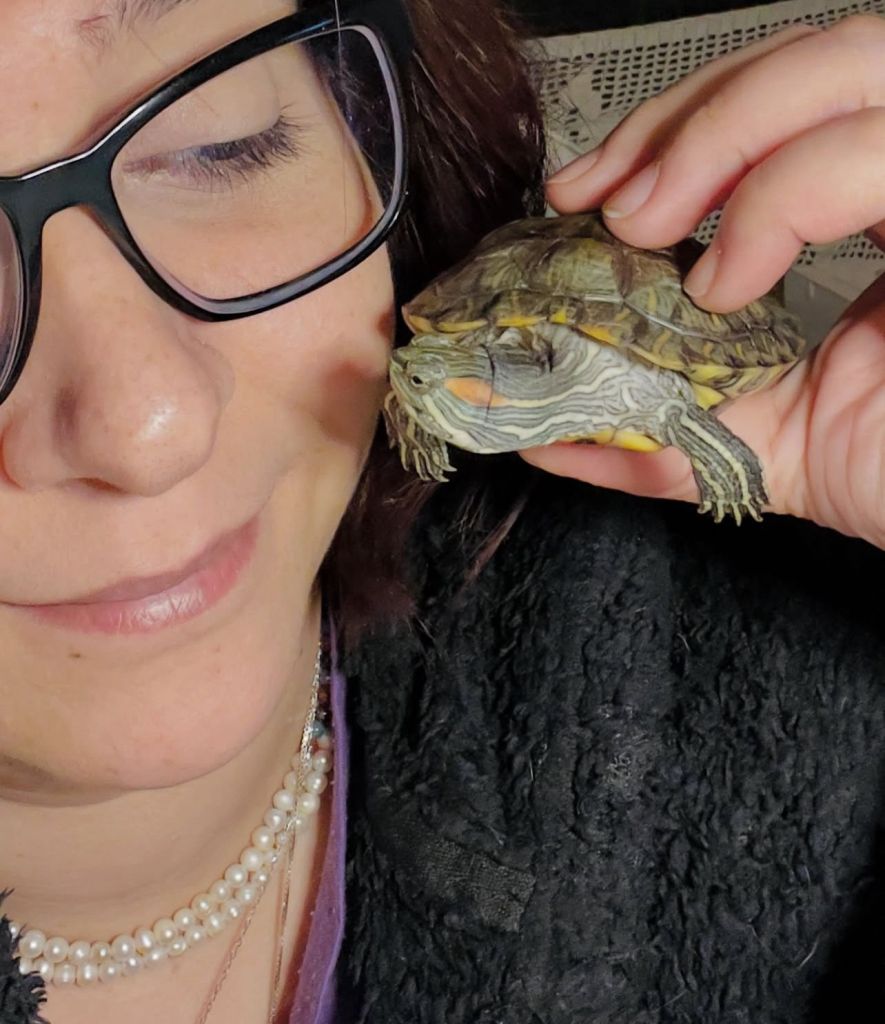
This is the part where I’ll be honest: I’ve spent years obsessing over the animals people can see. Cosmo pressing his face against the enclosure glass, Mike and Frida jostling for basking space, the bettas flaring in their planted tanks. Meanwhile, the creatures doing the actual maintenance work in a bioactive setup are the ones nobody photographs. Springtails and their cleanup-crew cousins are standard additions to bioactive vivariums precisely because of what this article just covered, they break down waste, mold, and leftover food before it becomes a problem. I didn’t understand why they mattered until I understood how they worked. Furthermore, watching one “vanish” off a piece of driftwood mid-cleaning is a small, humbling reminder that the most important residents of an enclosure aren’t always the ones with a name.
Springtail FAQ
No. Springtails don’t bite, sting, or parasitize humans or animals. They’re occasionally mistaken for fleas due to their jumping, but they pose no health risk.
Yes. Springtails are widely used as a cleanup crew species in bioactive terrariums and vivariums, where they help manage mold, waste, and decaying plant matter.
Indoor springtail populations usually signal excess moisture — around leaky pipes, damp basements, or overwatered houseplants — rather than an infestation problem on their own.
No. Jump distance varies by species and furcula size; some springtails cover only a few centimeters, while others launch dozens of times their own body length.
Sources
- Missouri Department of Conservation
https://mdc.mo.gov/discover-nature/field-guide/springtails - Amateur Entomologists’ Society
https://www.amentsoc.org/insects/fact-files/orders/collembola.html - Field of Mars Environmental Education Centre
https://fieldofmar-e.schools.nsw.gov.au/fact-sheets/invertebrates/springtail-fact-sheet - Collemboles.fr
https://collemboles.fr/en/morphology-and-physiology/63-the-furca-jumping-organ-of-springtails.html - Wikipedia Sphaeridia pumilis
https://en.wikipedia.org/wiki/Sphaeridia_pumilis


Leave a Reply
You must be logged in to post a comment.