
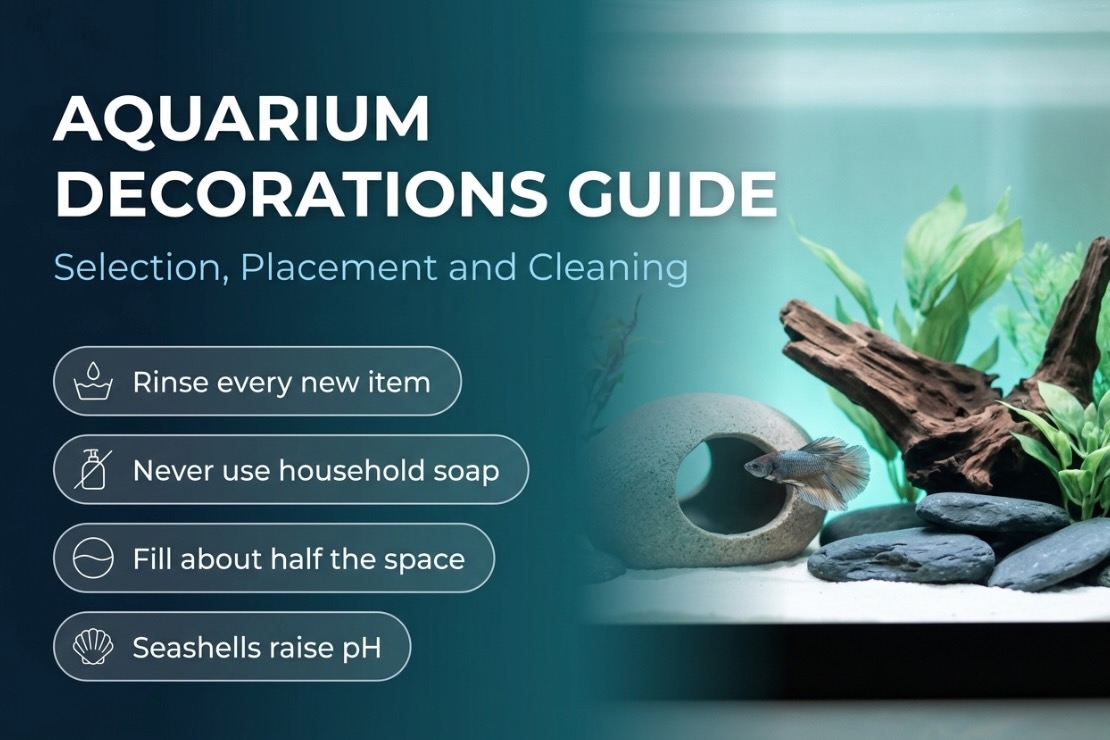
Aquarium Decorations establish the essential biological foundation for your aquatic ecosystem. These additions replicate the complex environments found in wild habitats. Many hobbyists simply toss random toys into their expensive aquariums. Consequently, they often wonder why their delicate fish perish so rapidly. An untested object can easily leach toxic heavy metals into the water. It might also alter your carefully balanced pH levels overnight. Therefore, this guide will teach you how to use these materials safely. Proper hardscape selection requires a fundamental understanding of basic aquatic chemistry.
Safety and Selection of Aquarium Decorations
Aquarists must prioritize chemically inert and non toxic materials. Safe options include commercially prepared resin, ceramic, and cured driftwood. Furthermore, specific rocks like slate and quartz function perfectly within standard tanks. These approved materials will never leach dangerous chemicals into your water. Therefore, using proven commercial products actively protects your delicate aquatic ecosystem.
Sourcing Materials Safely
Introducing random wild items presents biological and chemical risks. Specifically, unsterilized wood and unknown stones frequently carry deadly parasites and pesticides. Furthermore, beach sand and shells contain high calcium levels that alter pH. You must thoroughly identify and boil any foraged hardscape before use.
Preparing New Aquarium Decorations
You must rinse every single new item before tank introduction. Manufacturing facilities frequently leave residual dust and surface chemicals behind. Also, shipping processes expose these items to numerous unknown airborne contaminants. Therefore, you should scrub them vigorously under hot, running tap water. Avoiding harsh chemical soaps during this process prevents later water contamination.
Best Choices for Beginners
Beginners should prioritize smooth, non porous resin structures and artificial silk plants. Specifically, these items require minimal maintenance and present zero chemical alteration risks. Furthermore, smooth edges actively prevent delicate fins from snagging and tearing unexpectedly. These simple additions allow new hobbyists to focus primarily on water quality. As a result, starting with uncomplicated structures guarantees a much smoother learning curve.
Placement and Function of Aquarium Decorations
The ideal volume depends entirely upon your specific fish species’ needs. Specifically, you should generally aim to fill approximately half the available space. Dense planting and rockwork actively reduce aggression by breaking visual lines. You must leave adequate open swimming areas for highly active species. Therefore, a balanced approach provides both secure hiding spots and necessary exercise room.
Positioning Large Structures
Strategic placement enhances the overall visual depth and safety. You should position the largest structural pieces toward the rear corners. Furthermore, burying the base slightly into the substrate prevents dangerous, unexpected shifting. This arrangement effectively hides unsightly equipment like heaters and filter tubes. As a result, the artificial landscape feels significantly more natural and structurally secure.
Securing Aquarium Decorations
Buoyant materials like fresh driftwood require deliberate anchoring techniques. You can securely tie these pieces to heavy slate using fishing line. Furthermore, commercial aquatic silicone permanently attaches light weight structures to heavier bases. Consequently, soaking new wood in a separate bucket for weeks waterlogs it naturally.
Fish Requirements for Enrichment
Nearly all captive species absolutely require adequate shelter to thrive properly. Specifically, barren environments induce severe psychological stress and suppress natural immune functions. Complex structures allow subordinate individuals to escape constant territorial bullying easily. Consequently, mimicking their natural, cluttered habitats actively promotes natural foraging and breeding behaviors.
Cleaning Aquarium Decorations
Routine maintenance requires manual scrubbing with a dedicated aquatic bristle brush. You must remove the item and scrub it under warm tap water. Furthermore, soaking heavily soiled pieces in a mild hydrogen peroxide solution destroys algae. You must rinse the item obsessively before returning it to the tank. Therefore, maintaining consistent nutrient control actively prevents explosive, unmanageable algae outbreaks entirely.
Chemical Cleaning Risks
You must absolutely never use household soap on any tank equipment. Specifically, porous materials will absorb these highly toxic chemical surfactants almost immediately. Even microscopic residual traces will coat fish gills and cause fatal suffocation. Therefore, hot water and dedicated aquatic scrubbing pads remain your only safe tools. Avoiding household chemicals entirely protects your fragile biological ecosystem.
Maintenance Frequency of Aquarium Decorations
You should only clean these surfaces when algae becomes visually overwhelming. Specifically, these objects house massive colonies of highly beneficial, water purifying bacteria. Scrubbing them completely clean destroys this essential biological filtration capacity instantly. Consequently, you should gently wipe them down once every few months at most. Therefore, allowing some natural biofilm growth actually benefits grazing fish and water stability.
Tannins and Water Clarity
Natural wood constantly leaches harmless tannic acids into the surrounding water. These organic compounds create a dark, natural tint called a blackwater effect. Furthermore, tannins actively lower pH and provide mild, natural antibacterial properties consistently. If you dislike the brown tint, activated carbon filtration removes it quickly. So, you can embrace the natural look or filter it out easily.
Using Seashells as Aquarium Decorations
Calcium based shells will significantly alter your established aquatic chemistry over time. Degrading shells actively release calcium carbonate directly into the surrounding water column. Furthermore, this continuous process raises both the general hardness and the overall pH. Consequently, they function perfectly for African cichlids but harm soft water loving species. Therefore, you must research your specific inhabitants’ hardness requirements before adding any shells.
Species-Specific Aquarium Decorations
You must tailor your hardscape to the biological requirements of your specific fish. Different species use space and materials in vastly different ways. Furthermore, failing to accommodate these natural instincts guarantees chronic stress. Consequently, you must understand their behavioral profiles before decorating. Therefore, follow these guidelines for popular species:
- Betta Fish: Bettas strictly demand highly smooth surfaces and resting spots near the surface. Specifically, soft silk plants and specialized floating Betta logs function perfectly. Furthermore, sharp plastic edges will tear their incredibly delicate, flowing fins.
- African Cichlids: These highly territorial fish absolutely require massive, complex rock formations. Specifically, building tall, stable structures with smooth river stones diffuses aggression effectively. You must avoid delicate live plants because they will uproot them.
Top Tips for Aquarium Decorations
Combining live plants, wood, and rock creates a highly natural habitat. Specifically, you must ensure bulky items never block your mechanical filter intake tubes. Rotating your smaller artificial elements every few months provides excellent mental stimulation. So, this strategic novelty actively prevents boredom and encourages natural environmental exploration. As a result, following these core principles guarantees a stunning, biologically sound aquatic display.
Sources
- Aquarium Co-Op
https://www.aquariumcoop.com/blogs/aquarium/aquarium-algae] - Aquarium Co-Op
https://www.aquariumcoop.com/blogs/faqs/black-beard-algae
Leave a Reply
You must be logged in to post a comment.