
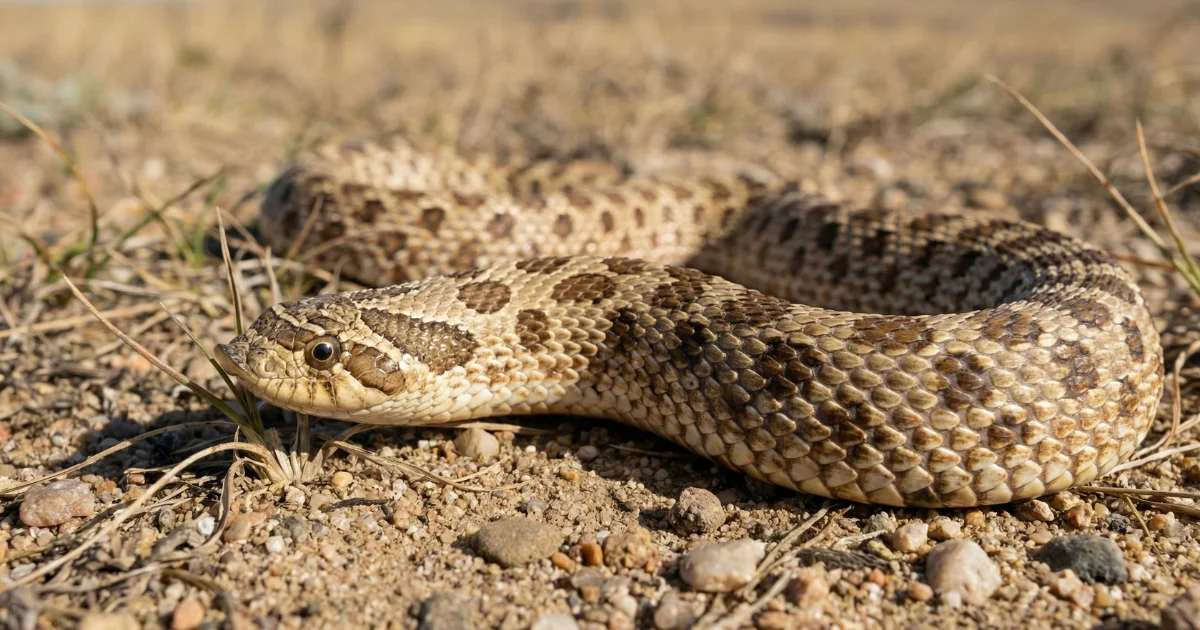
The Western Hognose Snakes (Heterodon nasicus) possess a theatrical flair unmatched by any other North American colubrid. While most snakes rely on camouflage or speed, this species utilizes an “Oscar-worthy” defensive performance to deter perceived threats. Specifically, they are famous for their upturned snouts and a repertoire of bluffs that include neck-flattening and playing dead. As a researcher, I find their biological adaptations fascinating rather than dangerous. Therefore, this guide provides a strictly analytical look at managing these charming, small-bodied serpents.
Are hognose snakes good pets for beginners?
Yes, Western Hognose snakes act as fantastic introductory reptiles for novice keepers. Their small size and generally docile nature make them highly manageable within a home environment. Furthermore, they exhibit a straightforward care routine that beginners can easily master with minimal specialized equipment. Specifically, their entertaining defensive antics provide endless fascination without posing a genuine threat. Therefore, they remain a top-tier recommendation for those entering the herpetological hobby.
What is the average lifespan of hognose snakes?
Acquiring a hognose snake represents a long-term commitment that spans several decades. Specifically, these snakes typically live between 15 and 20 years when maintained in a proper captive environment. Furthermore, some individuals have been documented reaching age 25 under optimal husbandry conditions. Consequently, potential owners must prepare for a significant duration of responsibility. Therefore, you should only acquire this species if you can provide consistent care for its entire life.
How large do they get?
The small, stout-bodied nature of the hognose snake contributes significantly to its popularity among hobbyists. Specifically, females represent the larger sex, reaching a maximum length of approximately 90 centimeters. In contrast, males are significantly smaller and rarely exceed 60 centimeters in length. Furthermore, their thick girth makes them feel more substantial than other colubrids of similar length. Therefore, they fit perfectly into various indoor spaces without requiring massive room-sized enclosures.
What is the temperament of hognose snakes?
The temperament of a hognose snake is characterized by elaborate bluffing rather than genuine aggression. Specifically, when threatened, they will hiss loudly and flatten their necks to mimic a cobra. Furthermore, they may perform closed-mouth strikes to ward off intruders. However, once the snake acclimates to handling, it becomes an inquisitive and gentle captive. Therefore, you must recognize that their “scary” displays are purely a survival mechanism designed to avoid actual conflict.
Are they venomous?
Western Hognose snakes are technically rear-fanged and possess specialized saliva toxic to their natural prey, such as toads. Specifically, this saliva is not considered medically significant to healthy humans. To be “envenomated,” the snake must chew on a person for a prolonged period, which is not a defensive behavior they exhibit. Furthermore, human reactions are typically limited to mild localized swelling or itching. Consequently, they are classified as harmless in the context of the reptile hobby.
What is the minimum tank size for hognose snakes?
While traditional standards suggest small tanks, modern biological research advocates for more spacious environments. Specifically, a male should have an enclosure at least 60 centimeters long, while a large female requires at least 90 to 120 centimeters. Furthermore, the enclosure must prioritize floor space over height to accommodate their terrestrial lifestyle. Consequently, providing ample room allows for a proper thermal gradient and better exercise. Therefore, you must avoid cramped conditions to ensure the long-term health of your snake.
What kind of substrate is best?
Because hognose snakes are evolutionary built to burrow, you must provide a substrate that supports this natural instinct. Shredded aspen shavings act as the gold standard because they hold the shape of tunnels effectively. Specifically, you should provide a depth of at least 10 centimeters to allow the snake to disappear beneath the surface. Furthermore, you must avoid oily woods like cedar or pine, which are toxic to reptiles. Therefore, a deep burrowing layer is essential for their psychological security.
What kind of lighting and heat do hognose snakes need?
Hognose snakes require a precise temperature gradient to facilitate proper digestion and metabolic function. Specifically, you must provide a basking “hot spot” of 31-33°C (88-92°F) on one end of the enclosure. Furthermore, you must utilize a reliable thermostat to prevent the heat source from reaching lethal temperatures. While UVB lighting is not strictly mandatory for their survival, it provides significant benefits for their immune system and circadian rhythms. Therefore, a controlled heat environment is a non-negotiable requirement for their care.
Do they need hiding spots?
Yes, you must provide at least two distinct hiding spots to allow the snake to feel secure at different temperatures. Specifically, place one hide on the warm end and another on the cool end of the enclosure. Furthermore, even though they burrow, these physical hides offer a secondary layer of protection from perceived threats. Consequently, a secure snake is less likely to engage in the stressful death-feigning behavior. Therefore, a cluttered enclosure with multiple retreats promotes a bolder and healthier animal.
What do hognose snakes eat?
In a captive setting, hognose snakes thrive on a diet of appropriately sized rodents. Specifically, you must match the size of the mouse to the widest part of the snake’s body. Furthermore, these snakes have a higher metabolism than many other species and may require more frequent feeding. Consequently, maintaining a consistent feeding schedule is vital for their growth and reproductive health. Therefore, you must transition them away from their wild diet of amphibians as soon as possible.
Should I feed frozen/thawed or live prey?
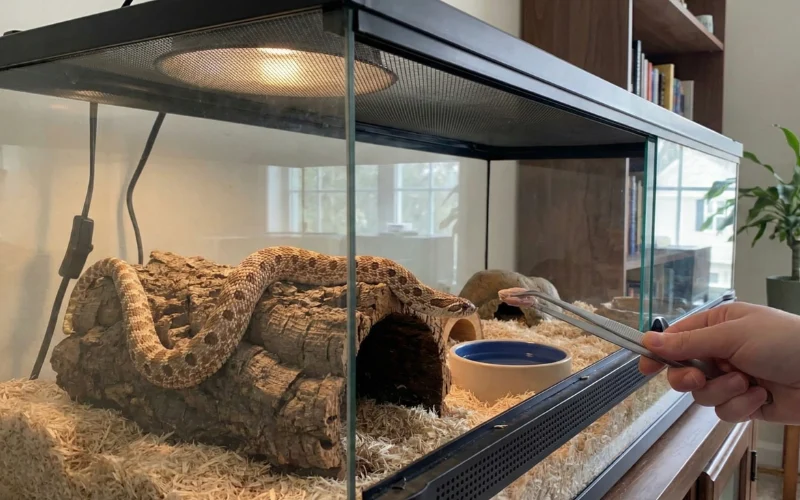
Frozen/thawed rodents are the only responsible and ethical choice for feeding captive snakes. Specifically, this method eliminates the risk of the prey animal biting or injuring your snake during the hunt. Furthermore, freezing kills most parasites that might be present in live rodents. Consequently, it is a more convenient and humane method for both the keeper and the animal. Therefore, you must avoid live feeding to maintain the highest safety standards for your hognose.
What should I do if my hognose is a picky eater?
Hognose snakes are notorious for being “picky” because their wild biology focuses on toads and frogs. Specifically, young snakes may initially refuse rodents because they do not recognize the scent as food. Furthermore, you can resolve this by “scenting” a mouse with canned tuna juice or commercial amphibian-scent products. Consequently, these scent cues trigger the snake’s natural predatory response. Therefore, patience and creative scenting techniques are essential for managing difficult feeders.
What are common health problems?
Most common health issues, such as respiratory infections or stuck shed, stem directly from improper environmental management. Specifically, incorrect humidity levels or temperatures weaken the snake’s immune system over time. Furthermore, obesity is a significant concern for captive hognose snakes due to their opportunistic feeding habits. Consequently, you must monitor their weight and body condition regularly. Therefore, perfect husbandry is the most effective form of preventative medicine.
What does it mean when my hognose is playing dead?
Playing dead, or thanatosis, is the ultimate defensive bluff utilized when the snake feels its other displays have failed. Specifically, the snake flips onto its back, opens its mouth, and may even emit a foul-smelling musk to mimic a rotting corpse. Furthermore, if you attempt to right the snake, it will often stubbornly flip back over to “prove” its demise. Consequently, this behavior is a sign of extreme stress and should not be induced for entertainment. Therefore, you must leave the snake alone if it begins this performance.
How can you tell the difference between male and female?
The most reliable way to sex a hognose snake is by observing the length and shape of the tail. Specifically, females possess short, stout tails that taper abruptly after the vent. In contrast, males have much longer, thicker tail bases to accommodate their hemipenes. Furthermore, the sheer size difference in adults is a clear indicator, as females are much heavier. Therefore, visual inspection of the tail remains the standard method for hobbyists to determine sex.
Breeding and Genetics
The popularity of hognose snakes has led to the creation of numerous genetic “morphs” that offer diverse colors and patterns. Specifically, Albino individuals lack black pigment, while Axanthic snakes lack red and yellow tones. Furthermore, the Superconda morph creates a nearly solid-colored back by reducing the natural blotches. Consequently, these variations allow keepers to own visually unique animals without sacrificing the species’ manageable temperament. Therefore, the genetic diversity in the hobby continues to expand annually.
Hognose Snake Care FAQ
Technically yes, but not to humans. They are rear-fanged with saliva toxic to toads — their natural prey. To affect a human, the snake would need to chew for a prolonged period, which is not a defensive behaviour. Reactions are typically limited to mild localised swelling.
Yes — they are one of the best beginner snake choices available. Their small size, simple care routine, and theatrical bluffing behaviour make them manageable and endlessly entertaining. Their “scary” displays are pure performance — they are not genuinely aggressive animals.
This is called thanatosis — their ultimate defensive bluff when other displays have failed. The snake flips onto its back, opens its mouth, and emits a foul musk to mimic a rotting corpse. It is a sign of extreme stress and must never be triggered deliberately for entertainment.
Appropriately sized frozen/thawed rodents are the correct diet. Match the mouse size to the widest part of the snake’s body. Picky hatchlings can be encouraged by scenting prey with tuna juice or commercial amphibian scent to trigger their natural predatory response.
15 to 20 years in captivity, with some individuals reaching 25 under optimal conditions. This is a long-term commitment that requires consistent care across decades. Only acquire one if you can genuinely provide stable husbandry for its entire lifespan.
Sources
- Reptiles Magazine
https://reptilesmagazine.com/western-hognose-snake-care-sheet/ - Animal Diversity Web
https://animaldiversity.org/accounts/Heterodon_nasicus/ - Journal of Herpetology
https://journalofherpetology.org/


Leave a Reply