

Choosing a pet snake is a journey, and the most important step is honestly matching the animal’s needs with your own skill level and commitment. This guide will introduce you to some of the best and most challenging pet snakes in the hobby.
I’ll never forget the apprehension I felt the first time I held a snake. I was conditioned by movies and myths to expect something slimy, aggressive, and cold. Instead, what I felt was a creature of surprising substance, with smooth, dry scales like polished stones, and a quiet, graceful strength. It wasn’t cold; it was cool, and it slowly warmed to the heat of my hands. It didn’t strike; it explored, its tongue gently flicking out to taste the world. That one experience shattered a lifetime of misconceptions. It was a profound lesson in the gentle, silent, and ancient beauty of these animals. They are not monsters; they are masters of a quiet, deliberate life.
The Beginner’s Circle: The Best Pet Snakes
Choosing the correct Pet Snakes requires an analytical match between the keeper’s experience and the animal’s physiological needs.
Corn Snake (Pantherophis guttatus) – BEGINNER

The Corn Snake represents the gold standard for beginning keepers due to its docile nature and hardiness. They are on top of the list of Pet Snakes for beginners. Specifically, they tolerate a wide range of temperatures and rarely refuse a meal. Furthermore, their slender bodies require a secure enclosure because they are expert escape artists. Consequently, I reject the assumption that a standard screen lid is sufficient without locking clips. Therefore, I prioritize a verified escape proof habitat for this species. In fact, they remain the most popular first snake for a reason.
Ball Python (Python regius) – BEGINNER

The Ball Python is a heavy bodied species known for its shy temperament and sedentary lifestyle. Specifically, they utilize a defensive “balling” behavior instead of striking when they feel threatened. Furthermore, they are prone to “hunger strikes” if their environment is not maintained with high precision. Consequently, you must ensure that humidity and heat are stable to prevent metabolic stress. Therefore, I prioritize the use of high quality thermostats for this species. As a result, they remain a gentle and rewarding choice for patient owners.
Milk & Kingsnakes (Lampropeltis species) – BEGINNER
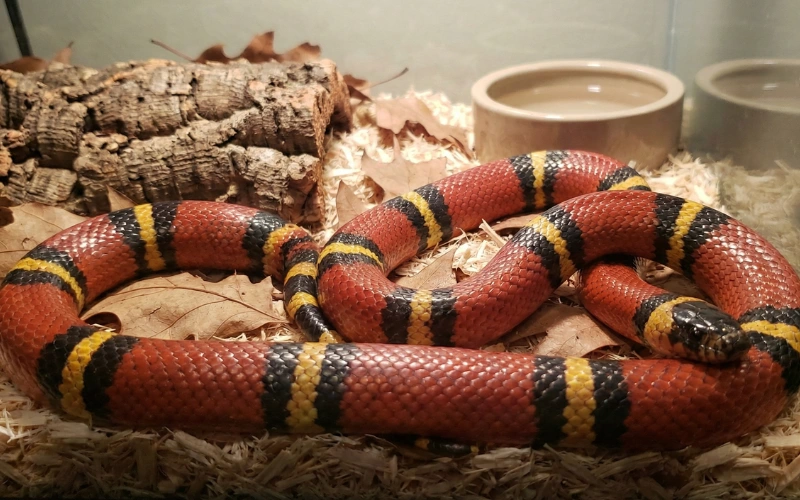
Milk Snakes act as highly active colubrids. In fact, they possess a voracious appetite. Specifically, their ophiophagous nature means they evolved to hunt snakes. As a result, they are dangerous. In fact, they eat other reptiles. Furthermore, this biological drive mandates that you must always use solitary enclosures. As a result, you must house them alone. Consequently, cohabitation will lead to lethal results. Specifically, it results in cannibalism. As a result, I prioritize individual housing. Therefore, I respect their predatory instincts. As a result, I provide safety. In fact, their bold patterns make them a visually stunning addition. Specifically, they are beautiful Pet Snakes. As a result, they thrive. Specifically, they grow well.
Kenyan Sand Boa (Eryx colubrinus) – BEGINNER

The Kenyan Sand Boa is a small, specialized burrower that spends most of its life beneath the substrate. Specifically, they possess “upward facing” eyes and a blunt snout designed for subterranean movement. Furthermore, you must avoid using actual sand to prevent the risk of lethal impaction during feeding. Consequently, I recommend shredded aspen as the safest analytical choice for their bedding. Therefore, I prioritize a secure and dry environment for these unique boids. In fact, their docile nature makes them excellent for gentle handling.
Western Hognose Snake (Heterodon nasicus) – BEGINNER
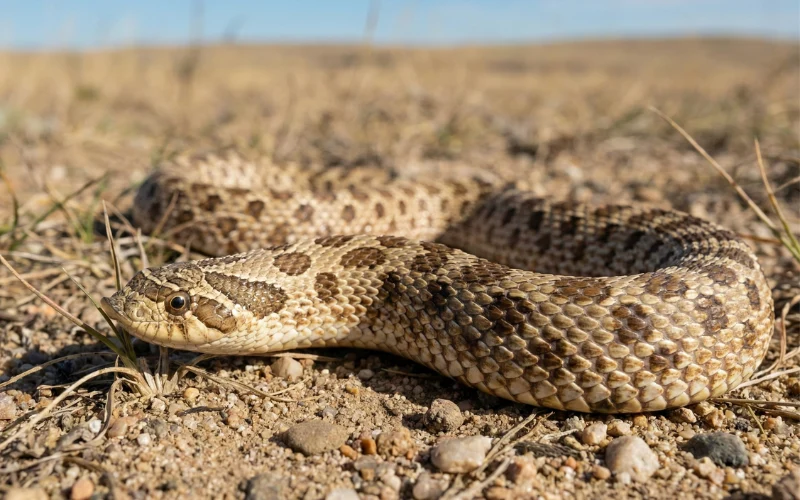
The Western Hognose is a charismatic species famous for its elaborate defensive bluffing displays. Specifically, they may hiss, flatten their necks, or even “play dead” to deter potential threats. Furthermore, their upturned rostral scale is a specialized tool for digging through loose soil in search of toads. Consequently, you must provide a deep substrate to facilitate this natural behavior. Therefore, I prioritize the use of enriching environments to keep these “drama queens” healthy. As a result, they are one of the most entertaining snakes to observe.
Garter Snake (Thamnophis spp.) – BEGINNER

Garter Snakes represent a unique opportunity to observe social interactions in a captive environment. Specifically, they are one of the few species that thrive when kept in small groups. Furthermore, their high metabolism requires more frequent feeding sessions than most other snakes. Consequently, you must maintain a rigorous cleaning schedule to manage the increased waste production. Therefore, I prioritize the use of communal enclosures for this active and inquisitive genus. In fact, watching them explore together is a distinct joy.
Rosy Boa (Lichanura trivirgata) – BEGINNER
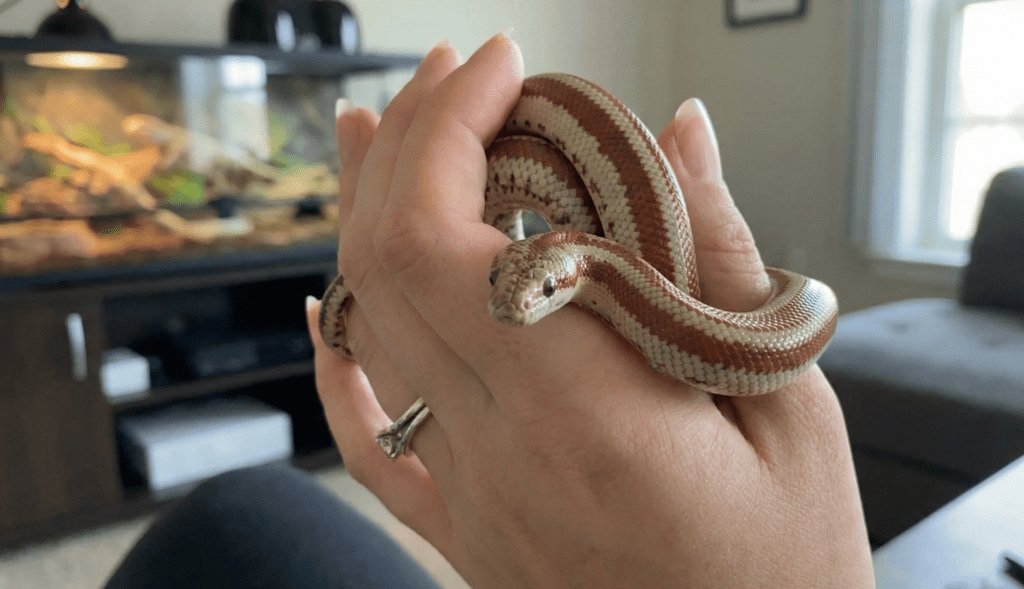
The Rosy Boa is a slow-moving, exceptionally calm species native to the American Southwest. Specifically, they possess a thick, muscular build and rarely show any sign of aggression. Furthermore, their small adult size makes them perfect for keepers with limited space for large enclosures. Consequently, they are an often-overlooked alternative to more common beginner species. Therefore, I prioritize a dry, stable environment with multiple hiding spots for this boa. As a result, they are a hardy and long-lived companion.
Children’s Python (Antaresia childreni) – BEGINNER
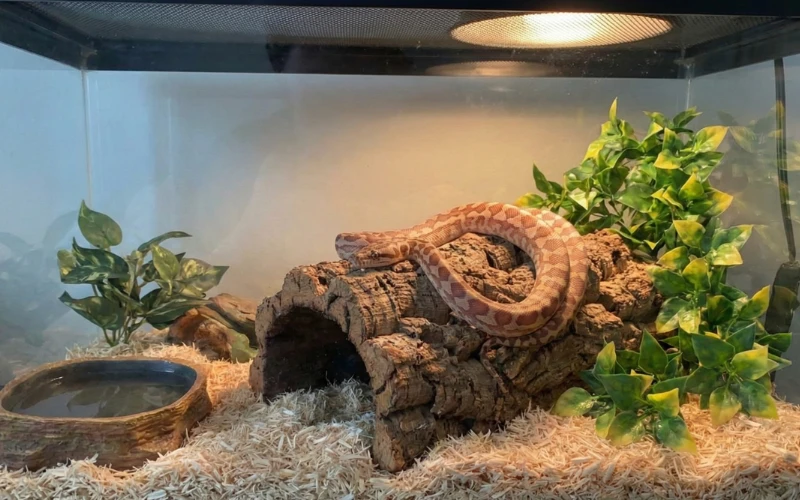
The Children’s Python, named after John George Children, this small Australian python is a masterclass in manageable size and calm demeanor. Specifically, they rarely exceed three feet in length, making them a “true” dwarf python. Furthermore, they are highly resilient and adapt well to standard captive conditions. Consequently, I reject the assumption that all pythons require massive enclosures. Therefore, I prioritize vertical enrichment for this active climber. In fact, their beautiful iridescent sheen makes them a jewel of the Australian outback.
African House Snake (Lamprophis capensis) – BEGINNER

The African House Snake is a slender, hardy colubrid known for its intense and reliable feeding response. Specifically, they are excellent for beginners who are concerned about the “hunger strikes” seen in other species. Furthermore, they remain relatively small and are easy to handle throughout their entire lives. Consequently, they are an underrated gem in the reptile hobby. Therefore, I prioritize a standard terrestrial setup for these efficient predators. As a result, they are a low-stress and highly rewarding pet.
The Intermediate level Pet Snakes
These Pet Snakes require more space and a higher degree of technical precision in their care.
Boa Constrictor (Boa constrictor / imperator) – INTERMEDIATE

Boa Constrictors are intelligent and inquisitive giants that require a significant commitment of space. Specifically, a mature female can reach nine feet and weigh over 10,000 grams. Furthermore, their strength requires a handler who is confident and physically capable. Consequently, I prioritize the use of large, custom-built enclosures for this species. Therefore, I reject the idea that a standard 40-gallon tank is sufficient for an adult. In fact, providing vertical climbing space is essential for their muscle tone.
Carpet Python (Morelia spilota) – INTERMEDIATE
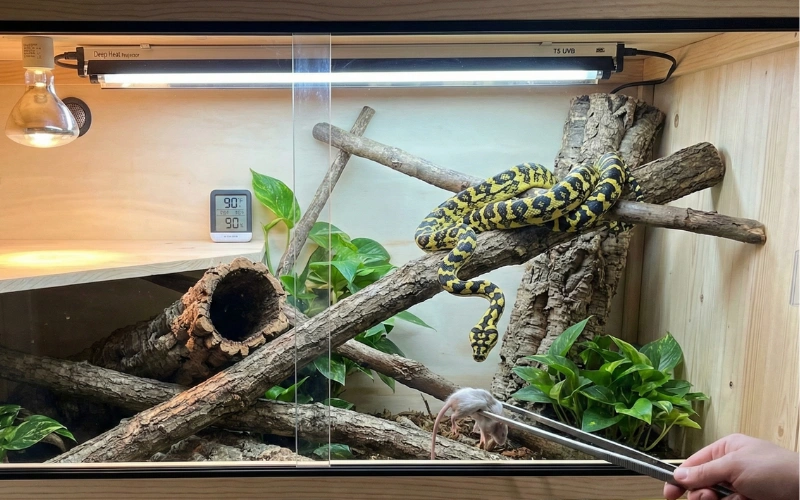
Carpet Pythons are semi-arboreal specialists that possess stunning patterns and a “spirited” personality. Specifically, juveniles are notoriously defensive but typically mature into calm adults with consistent handling. Furthermore, they require vertical volume in their habitat to satisfy their climbing instincts. Consequently, you must provide a network of sturdy branches and elevated basking spots. Therefore, I prioritize a vertical-oriented vivarium for this Australian species. As a result, they become a magnificent display animal.
Brazilian Rainbow Boa (Epicrates cenchria) – INTERMEDIATE
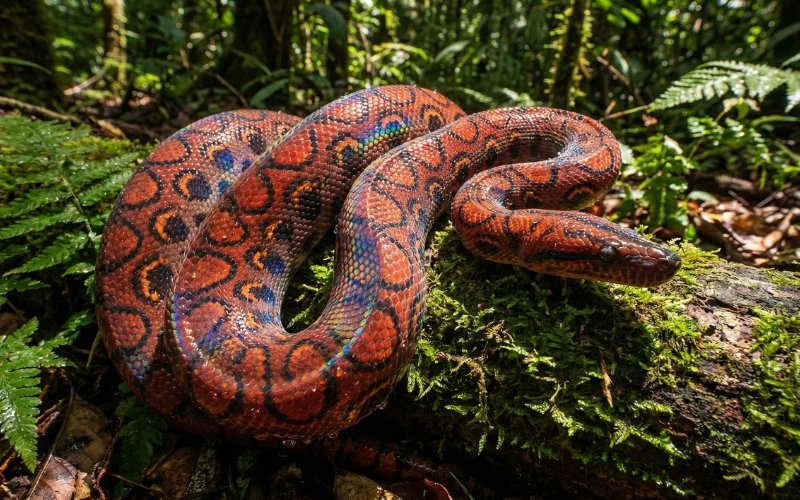
The Brazilian Rainbow Boa is famous for its breathtaking iridescence, caused by microscopic ridges on its scales. Specifically, they are high-maintenance due to their absolute requirement for 80% to 90% humidity. Furthermore, even a brief period of dry air can lead to systemic health failure in neonates. Consequently, I prioritize the use of sealed PVC enclosures to trap moisture effectively. Therefore, I recommend automated misting systems for this species. In fact, seeing them glow in the light is a reward for your technical precision.
Woma Python (Aspidites ramsayi) – INTERMEDIATE
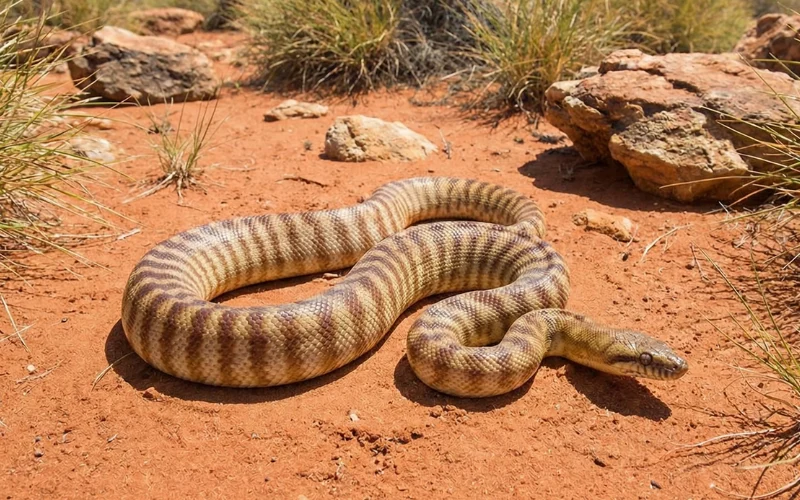
Woma Pythons are unique Australian boids that lack the heat-sensing pits found in most other pythons. Specifically, they possess an intense feeding drive and will actively hunt through their substrate for scent trails. Furthermore, they are incredibly active and require a large terrestrial footprint for roaming. Consequently, you must be cautious during enclosure maintenance to avoid an accidental feeding bite. Therefore, I prioritize “tap training” to manage their high energy levels. In fact, their bold personality makes them a favorite for researchers.
Gopher Snake (Pituophis catenifer) – INTERMEDIATE
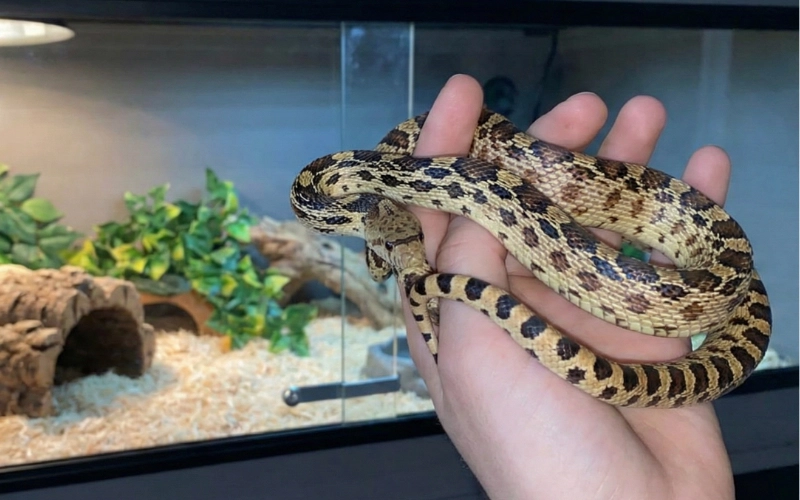
The Gopher Snake is a large North American colubrid that mimics the behavior of rattlesnakes to deter predators. Specifically, they utilize a specialized epiglottis to produce an incredibly loud, rasping hiss. Furthermore, they are powerful constrictors that require a large and secure habitat. Consequently, they are an intermediate choice because of their defensive bluffing and physical strength. Therefore, I prioritize a rugged, terrestrial setup for this athletic species. As a result, you get an impressive and active display animal.
Rat Snake (Pantherophis spp.) – INTERMEDIATE

Rat Snakes are the intelligent and often “opinionated” relatives of the Corn Snake. Specifically, they are expert climbers and will utilize every inch of vertical space provided to them. Furthermore, species like the Texas Rat Snake are known for their defensive and bold temperaments. Consequently, they require a confident handler who can read their body language effectively. Therefore, I prioritize a complex, arboreal-leaning enclosure for these large colubrids. In fact, their activity level makes them one of the most visible snakes in a collection.
The Expert Tier: The Giant Pet Snakes
Keeping these Pet Snakes is a professional-grade commitment that demands total dedication.
Green Tree Python (Morelia viridis) – EXPERT

The Green Tree Python is a delicate arboreal species that functions primarily as a display animal. Specifically, they require a pristine environment with zero fluctuations in temperature or humidity. Furthermore, they possess long teeth designed for catching birds and are highly defensive when removed from their perches. Consequently, they are a “look, don’t touch” pet for advanced specialists. Therefore, I prioritize the use of bioactive setups to maintain their specific micro-climate. In fact, a mistake in their care is often fatal.
Rough Green Snake (Opheodrys aestivus) – EXPERT (Specialist)

The Rough Green Snake is an expert-level challenge because of its specialized insectivorous diet and high stress levels. Specifically, most are wild-caught and arrive with compromised immune systems. Furthermore, they require a constant supply of diverse, soft-bodied insects like moths and spiders to thrive. Consequently, the average keeper cannot provide the nutritional variety they need. Therefore, I prioritize a low-stress, heavily planted environment for this fragile species. In fact, they are better left in the wild unless you are a specialist.
Reticulated Python (Malayopython reticulatus) – EXPERT

The Reticulated Python is the world’s longest snake and an animal of immense cognitive ability. Specifically, a mainland female can reach 20 feet and requires a custom-built, room-sized enclosure. Furthermore, the “two-person rule” is a non-negotiable safety standard for handling an adult. Consequently, the physical and financial cost of their care is astronomical. Therefore, I prioritize the highest levels of security and technical skill for this genus. As a result, owning one is a permanent lifestyle choice rather than a hobby.
Burmese Python (Python bivittatus) – EXPERT

The Burmese Python is a thick-bodied giant that requires professional-grade management. Specifically, their growth rate is explosive, and they can reach 15 feet within just a few years. Furthermore, their legal status is heavily regulated in many regions due to their impact as an invasive species in Florida. Consequently, you must verify all local laws before attempting to acquire one. Therefore, I prioritize safety and legal compliance above all else for this species. In fact, they are a testament to the power and majesty of giant constrictors
Sources
- Reptiles Magazine
https://reptilesmagazine.com/kenyan-sand-boa-care-sheet/ - ReptiFiles
https://reptifiles.com/brazilian-rainbow-boa-care-sheet/ - Animal Diversity Web
https://animaldiversity.org/accounts/Thamnophis_sirtalis/ - U.S. Fish & Wildlife Service
https://www.fws.gov/injurious-wildlife/burmese-python - Florida Museum of Natural History
https://www.floridamuseum.ufl.edu/herpetology/fl-snakes/list/opheodrys-aestivus/ - World of Ball Pythons
https://www.worldofballpythons.com/python-regius/care-sheet/


Leave a Reply