
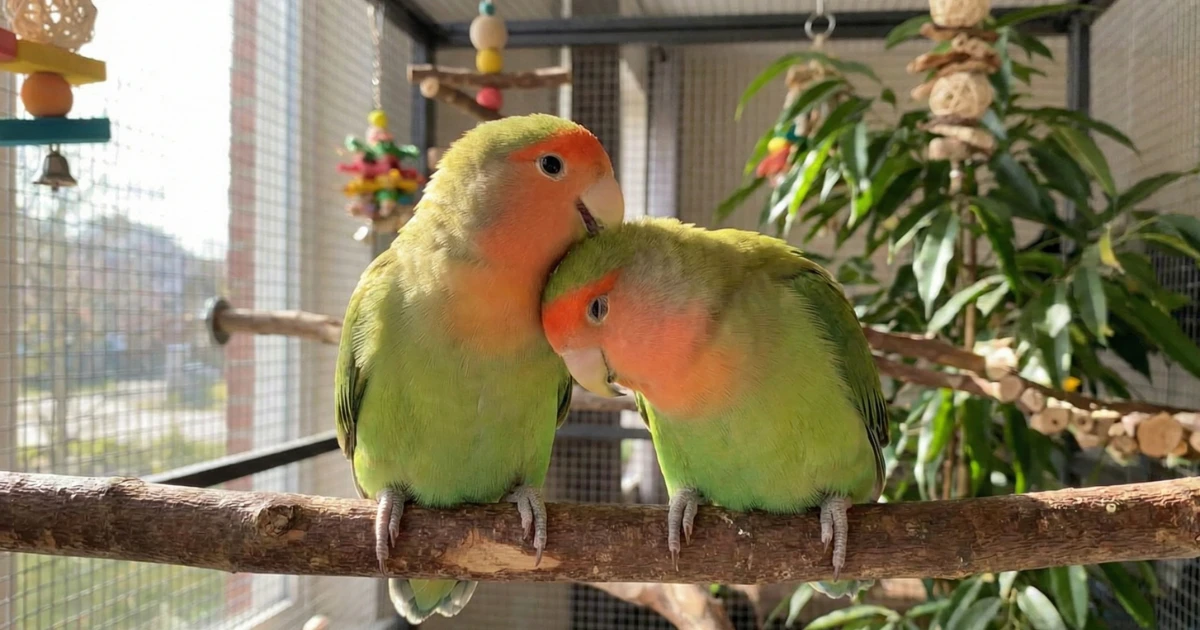
You must purchase the largest possible enclosure your physical space and financial budget allow. This is especially crucial for pet birds, as a bird must fully extend its wings and flap vigorously without hitting the metal bars. Furthermore, tiny cages cause severe muscular atrophy and agonizing psychological distress. Consequently, I must criticize you harshly if you confine a parrot to a decorative, microscopic cage. Therefore, using a massive powder coated flight cage remains the absolute minimum ethical standard.
Inside the Enclosure for Pet Birds
You must provide diverse, natural wood perches of varying diameters to prevent foot disease. Specifically, smooth wooden dowels cause crippling bumblefoot and severe joint arthritis rapidly. Furthermore, you must fill the enclosure with destructible foraging toys to stimulate their high intelligence. Consequently, a barren cage guarantees severe behavioral destruction and chronic feather plucking. Therefore, rotating these complex puzzles weekly prevents intense boredom and psychological decay.
Placement Strategies
You must place the enclosure in a highly active, central room of your home. Specifically, these flock animals demand constant visual interaction with their human family to feel secure. Furthermore, you must strictly avoid placing the cage near drafty windows or direct, unshaded sunlight. Consequently, direct kitchen placement exposes their delicate respiratory systems to fatal cooking fumes. Therefore, a secure living room corner provides optimal security and vital social engagement.
Cleaning the Cage
You must scrub the bottom grate and replace the soiled paper liner every day. Specifically, accumulated droppings rapidly cultivate deadly bacterial infections and aggressive fungal spores. Furthermore, you must thoroughly disinfect the entire metal enclosure and perches weekly with a veterinary grade cleaner. Consequently, ignoring this rigorous hygiene constitutes severe physical neglect and animal abuse. As a result, pristine environmental conditions prevent catastrophic avian respiratory diseases directly.
Feeding Pet Birds
You must provide a highly formulated, organic pelleted diet as their primary nutritional base. Specifically, this engineered food guarantees they receive essential vitamins and minerals. Furthermore, you must supplement these pellets with heavily chopped, dark leafy greens and fresh vegetables daily. Consequently, measuring exactly 15 to 30 grams of fresh chop prevents severe food spoilage. Therefore, proper, varied nutrition directly dictates their overall biological stability and massive longevity.
Are Seeds Bad for Pet Birds?
Commercial seed mixes contain lethal amounts of fat and practically zero essential vitamins. Furthermore, this nutritionally bankrupt diet causes fatal fatty liver disease and severe calcium deficiencies rapidly. Consequently, you must restrict seeds strictly as high value training rewards rather than daily sustenance. As a result, converting them to pellets prevents agonizing, dietary induced organ failure.
Toxic Foods for Pet Birds
You must strictly ban avocado, chocolate, caffeine, and alcohol from your home completely. Specifically, avocados contain a fungicidal toxin called persin that causes instant avian heart failure. Furthermore, you must never offer heavily salted human snacks or toxic apple seeds to your flock. Consequently, feeding these dangerous items constitutes gross negligence and will kill your companion. Therefore, rigorous dietary policing remains your absolute best defense against accidental poisoning.
Hydration for Pet Birds
You must replace their drinking water with fresh, filtered water twice every single day. Specifically, birds frequently dunk their food and defecate directly into their water bowls. Furthermore, stagnant, contaminated water breeds deadly bacterial infections within mere hours completely. Consequently, scrubbing the actual bowl with hot, soapy water daily prevents dangerous biofilm accumulation. As a result, pristine hydration protects their fragile gastrointestinal tract from catastrophic bacterial overgrowth.
Do Pet Birds Need Baths?
Frequent bathing remains a mandatory biological requirement for maintaining healthy plumage and respiratory systems. Specifically, daily misting encourages obsessive preening and drastically reduces hazardous feather dust. Furthermore, you can provide a shallow dish of cool water for them to splash in actively. Consequently, you must never use human soaps or highly toxic commercial feather shine sprays. Therefore, pure, clean water represents the only safe method for avian hygienic maintenance.
Trimming Flight Feathers
In fact, I will criticize you harshly if you mutilate a bird by clipping its wings. Specifically, flight represents their primary biological defense mechanism and most vital form of cardiovascular exercise. Furthermore, clipped birds frequently crash into the floor, shattering their fragile breast bones instantly. Consequently, you must thoroughly bird proof your home rather than destroying their natural physical mobility. As a result, fully flighted animals display significantly higher confidence and vastly superior physical health.
Managing Nails and Beaks
Providing rough, natural perches typically grinds their sharp nails down passively and effectively. Specifically, a healthy bird maintains its own beak length by aggressively destroying wooden chew toys daily. Furthermore, you must never attempt to trim their highly vascular beak yourself at home. Consequently, overgrown beaks heavily indicate severe underlying liver disease requiring immediate veterinary intervention. Therefore, a certified avian veterinarian must perform any necessary specialized grooming safely.
Do Pet Birds Get Lonely?
These intensely social creatures suffer agonizing psychological trauma if isolated for extended periods. Specifically, wild parrots never leave the immediate physical presence of their massive flock. Furthermore, a solitary captive bird views you strictly as its only flock member and bonded mate. Consequently, locking them in an empty room guarantees severe clinical depression and violent self mutilation. As a result, they demand hours of daily, direct interaction to remain mentally stable.
Bonding with Pet Birds
You must build profound trust through highly positive reinforcement and intense, patient bribery. Specifically, offering small, high value treats like millet encourages them to approach your hands voluntarily. Furthermore, you must never force physical interaction or grab them aggressively against their will. Consequently, forcing contact instantly destroys their fragile trust and triggers severe defensive biting. Therefore, respecting their strict bodily autonomy guarantees a deeply bonded, highly affectionate companion.
Out-of-Cage Time for Pet Birds
You must allow them a minimum of four hours of supervised freedom every day. Specifically, they require massive spatial freedom to fly, explore, and exercise their complex cardiovascular systems. Furthermore, locking a highly intelligent predator inside a metal box continuously constitutes severe psychological abuse. Consequently, you must dedicate significant portions of your daily schedule to their direct supervision. As a result, exhausted, physically active flocks remain peaceful and highly cooperative indoors.
Identifying Sickness
You must observe your flock obsessively for incredibly subtle behavioral shifts. Specifically, an ill prey animal will fluff its feathers constantly to conserve failing body heat. Furthermore, sudden changes in dropping consistency strongly indicate severe internal problems. Consequently, sleeping heavily on two feet instead of one suggests extreme physical weakness. Therefore, utilizing a digital scale to track their mass in grams remains absolutely mandatory.
Veterinary Visits
You must schedule a comprehensive examination with a certified avian veterinarian annually without exception. Specifically, birds mask their physical pain expertly until a disease reaches a terminal stage. Furthermore, routine blood panels detect silent organ failure long before visible symptoms appear. Consequently, skipping these specialized annual checks constitutes severe, inexcusable medical neglect completely. As a result, proactive preventative medicine remains the ultimate cornerstone of responsible avian husbandry.
Household Hazards
Modern homes contain invisible, airborne toxins that destroy their highly efficient respiratory systems instantly. Specifically, heated Teflon or non stick cookware releases a lethal, odorless gas that kills birds. Furthermore, you must strictly ban all aerosol sprays, scented candles, and harsh chemical cleaners. Consequently, ceiling fans and open, uncovered toilets represent massive, fatal physical hazards for flighted animals. Therefore, extreme environmental policing remains mandatory to prevent catastrophic, accidental household fatalities.
Lifespan of Pet Birds
These fragile animals represent a massive, multi decade commitment for any responsible owner. Specifically, small species like budgies frequently survive up to 15 years with pristine medical care. Furthermore, large macaws and cockatoos routinely outlive their human owners, easily reaching 80 years. Consequently, you must legally arrange for their future care within your formal estate planning documents. As a result, adopting a parrot constitutes a permanent, lifelong biological and financial commitment.
Apartment Living Suitability
Species like conures and cockatoos possess ear piercing contact calls that will guarantee instant eviction. Furthermore, even small, quiet species frequently generate massive amounts of scattered seed and feather dust. Consequently, your immediate neighbors will quickly report the constant, high decibel screaming. Therefore, you must select highly specialized, quiet species if you reside in an apartment complex.
Round Cages for Pet Birds
You must strictly avoid purchasing any cylindrical or round cage completely and permanently. Specifically, these structurally flawed enclosures lack defined corners, which severely disorients the animal’s spatial awareness. Furthermore, round cages frequently trap their delicate toes and wings where the metal bars converge. Consequently, confining them to this shape guarantees extreme psychological anxiety and severe physical injury. As a result, a massive, rectangular flight cage remains the only acceptable structural geometry.
Sources
- Association of Avian Veterinarians
https://www.aav.org/page/basiccare - VCA Animal Hospitals
https://vcahospitals.com/know-your-pet/bird-housing-and-environment - PetMD
https://www.petmd.com/bird/care/what-can-birds-eat-guide-bird-food - Lafeber Co.
https://lafeber.com/pet-birds/bird-behavior/ - MSD Veterinary Manual
https://www.msdvetmanual.com/exotic-and-laboratory-animals/pet-birds/management-of-pet-birds


Leave a Reply