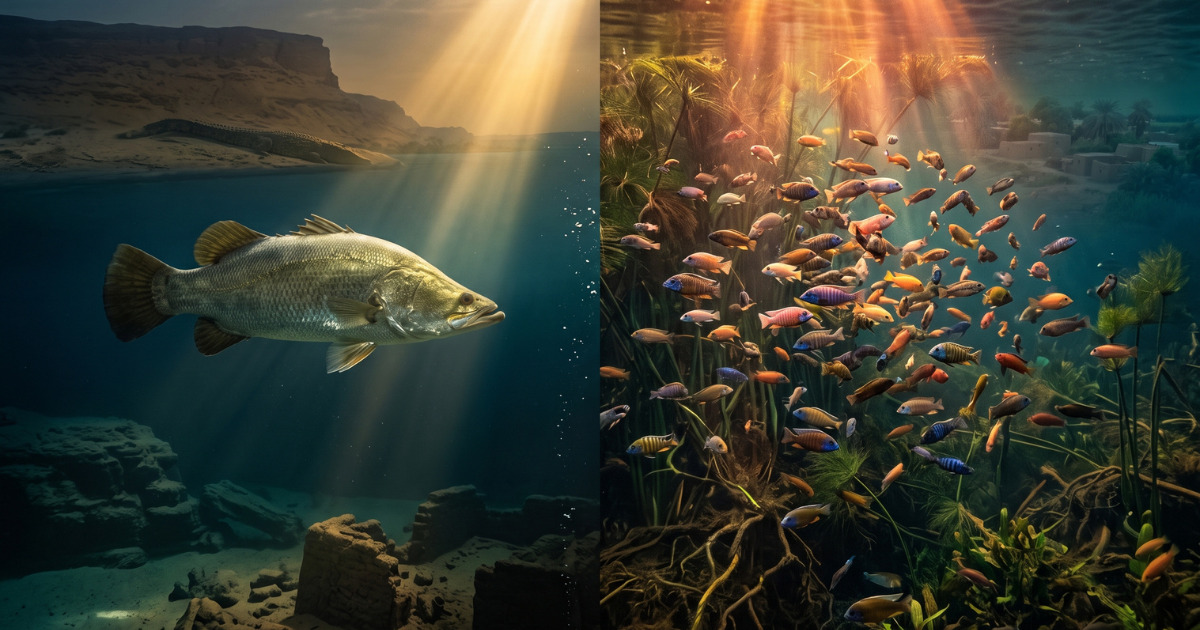
The Nile stretches roughly 6,500 KM across eleven countries. Consequently, it hosts one of the richest fres hwater ecosystems on the planet. Estimates for Nile Basin biodiversity vary widely, ranging from around 130 native fish species in the river itself to figures exceeding 800 when the entire basin, including the Great Lakes, is counted. However, the number matters less than the story behind it. Several of these animals are not distant wildlife. In fact, many sit in aquariums and reptile enclosures right now, including some in mine.
What Makes Nile Basin Biodiversity So Unmatched?
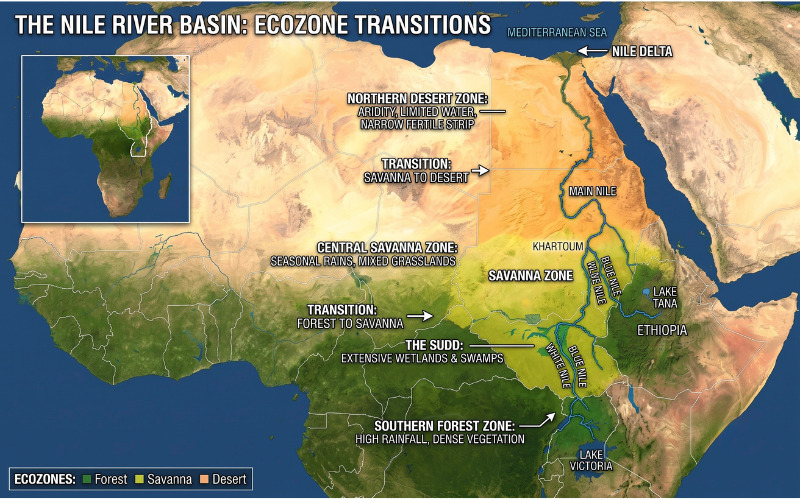
Geography explains the diversity directly. The Nile crosses tropical forest, papyrus swamp, savanna, and desert within a single system. Therefore, species adapted to radically different conditions all share one waterway. The basin also connects to the African Great Lakes, which hold thousands of additional fish species. As a result, the Nile functions less like one habitat and more like a corridor linking several distinct ecosystems together.
Which Fish Species Define Life in the Nile?
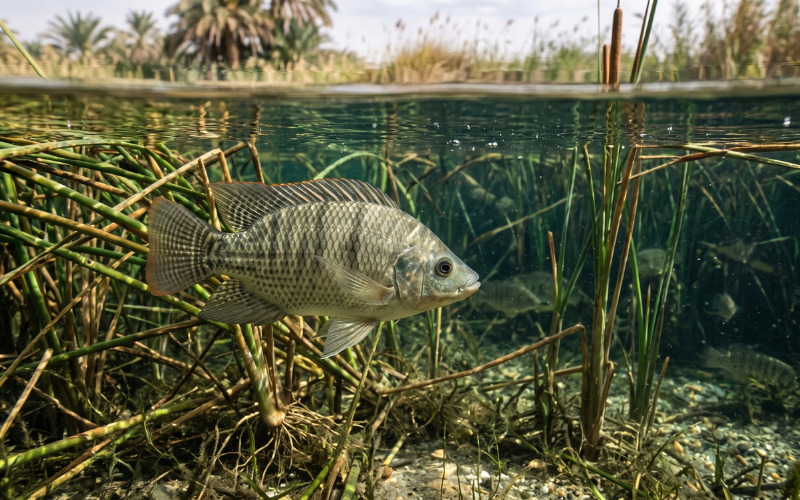
Four families dominate the river: Cichlidae, Cyprinidae, Mormyridae, and Mochokidae. Specifically, cichlids and their relatives make up a large share of native diversity. The Nile tilapia, Oreochromis niloticus, remains the most economically significant native fish in the basin. Meanwhile, the Nile perch, Lates niloticus, grows to enormous size and dominates Lake Victoria. Unfortunately, its introduction there devastated hundreds of native haplochromine cichlid species. This is not a footnote. It is one of the most severe documented cases of invasive species extinction in fresh water history.
How Many Predators Rule Nile Basin Biodiversity?

Three predators define the top of this food web. The Nile crocodile, Crocodylus niloticus, remains Africa’s largest crocodilian and a genuine apex predator. The Nile perch fills a similar role underwater, consuming smaller fish at an industrial scale. Additionally, the African tiger fish, Hydrocynus species, hunts with a bite force disproportionate to its size. Consequently, few smaller fish in open water escape these three without serious adaptation.
Which Reptiles Share the Nile With These Predators?
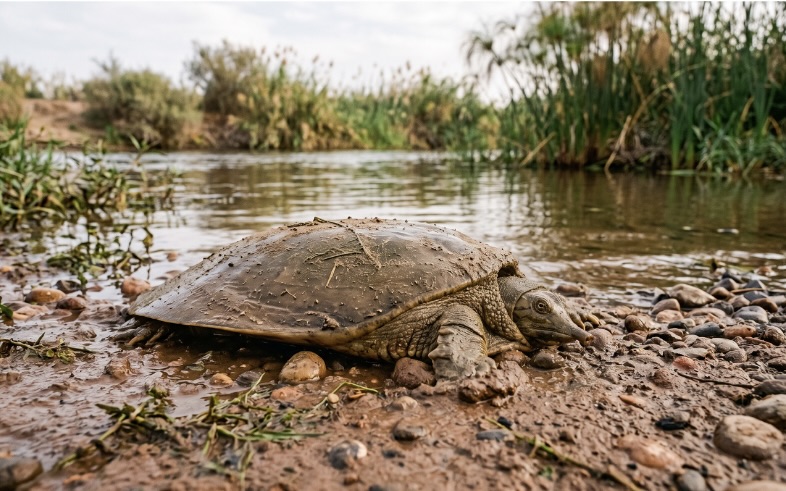
Reptile diversity extends well past the crocodile. The Nile soft shell turtle, Trionyx triunguis, hunts along riverbanks using a flattened, leathery shell for concealment. The Nile monitor, Varanus niloticus, patrols the same banks and raids crocodile nests for eggs. Furthermore, more than thirty snake species inhabit the basin, ranging from harmless water snakes to dangerous vipers. Therefore, riverside habitats in the basin carry real, unglamorous risk alongside their beauty.
How Does Nile Basin Biodiversity Reach Your Home Aquarium?

This is where the story turns personal for hobbyists. African cichlids sold worldwide trace their popularity directly to Nile Basin and Great Lakes lineages. Species like Severums, Guianacara, and Red Head Tapajos belong to the wider Neotropical cichlid family, not the Nile lineage specifically. However, true African cichlids from Lake Malawi and Lake Victoria’s basin share the same evolutionary pressures that shaped Nile fish. Consequently, the aggression, territoriality, and rock work behavior hobbyists manage in cichlid tanks mirror real Nile Basin ecology.
Which Nile Reptiles Are Kept as Exotic Pets?
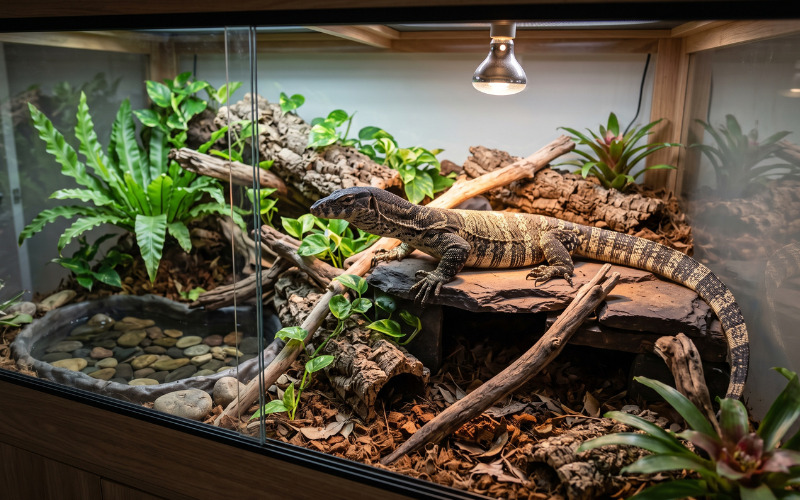
Several Nile-adjacent reptiles now live in captivity globally. The Nile monitor appears in the exotic pet trade, though it demands enormous enclosures and confident handling. Softshell turtles occasionally enter the hobby as well, requiring specialized filtration and careful substrate choices. Neither species suits a beginner. Indeed, both routinely get surrendered once owners realize their adult size and temperament.
Is Nile Basin Biodiversity Actually Declining?
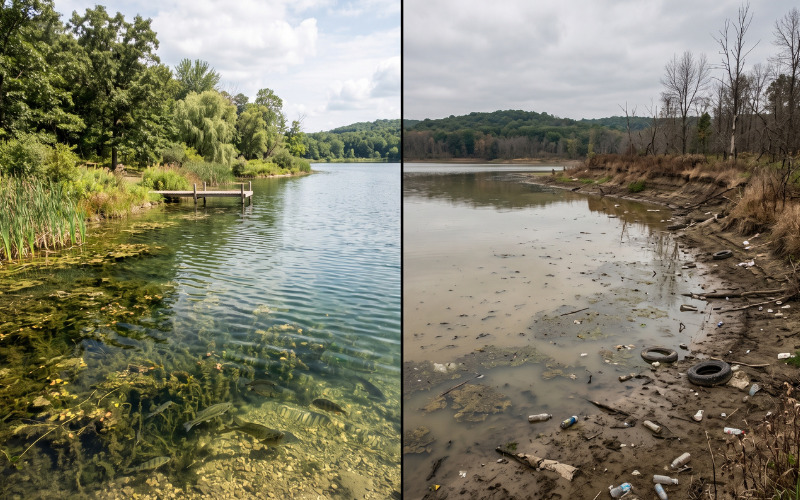
Yes, and the decline is well documented. Introduced species, dam construction, and unsustainable fishing have all reduced native populations sharply. The Nile perch invasion of Lake Victoria alone contributed to the extinction or near extinction of hundreds of endemic cichlids. Furthermore, ongoing habitat alteration continues to threaten the roughly 331 native fish species tracked by IUCN researchers across the basin. This is not a distant problem. It is an active, ongoing collapse worth watching closely.
My Experience: What the Nile Taught Me About My Own Tanks
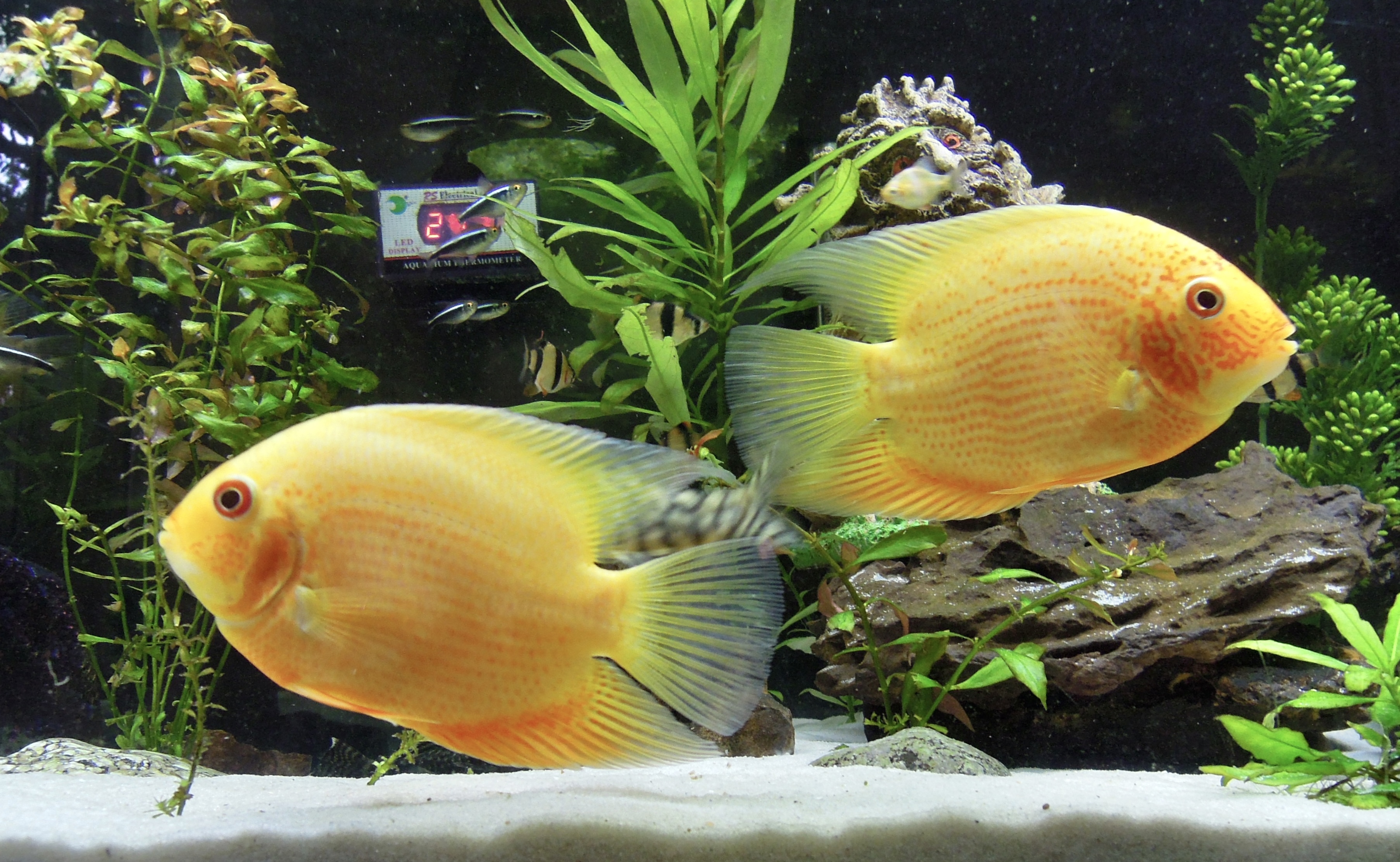
I run an American cichlid tank with severums, Guianacara, and Red Head Tapajos, not Nile species. However, researching Nile Basin biodiversity changed how I read my own tank’s aggression patterns. Territorial disputes in my cichlid setup echo the same rock cave competition documented in Lake Victoria’s collapsed cichlid populations. Consequently, I now understand my fish behavior as evolutionary history playing out in 500 liters of water. That connection genuinely surprised me while writing this piece.
FAQ Section
Estimates vary by scope. The river itself holds around 130 native species, while the wider basin, including the Great Lakes, may exceed 800 when all connected waters are counted together.
Among reptiles, yes, it is the largest crocodilian in Africa. However, the Nile perch rivals it under water, growing large enough to reshape entire lake food webs on its own.
Technically yes, but few owners should. Nile monitors grow enormous, require large secure enclosures, and often display defensive aggression without extensive, consistent handling from an early age.
Nile perch preyed heavily on native haplochromine cichlids after introduction. Consequently, hundreds of endemic species declined or vanished entirely, making it one of history’s worst documented invasive species disasters.
Not directly, unless sourced from Nile Basin lakes specifically. Many popular aquarium cichlids come from Lake Malawi or Lake Victoria, which share evolutionary pressures with, but differ from, true Nile River lineages.
Its flattened, leathery shell allows excellent camouflage against riverbed sediment. Furthermore, it hunts using rapid ambush strikes, unlike the slower foraging behavior seen in many hard shelled turtle species.
Sources
- EBSCO Research Starters
https://www.ebsco.com/research-starters/science/nile-river-ecosystem - Pulitzer Center
https://pulitzercenter.org/projects/nile-without-fish - Science Advances
https://www.science.org/doi/10.1126/sciadv.aau7668

Leave a Reply
You must be logged in to post a comment.