
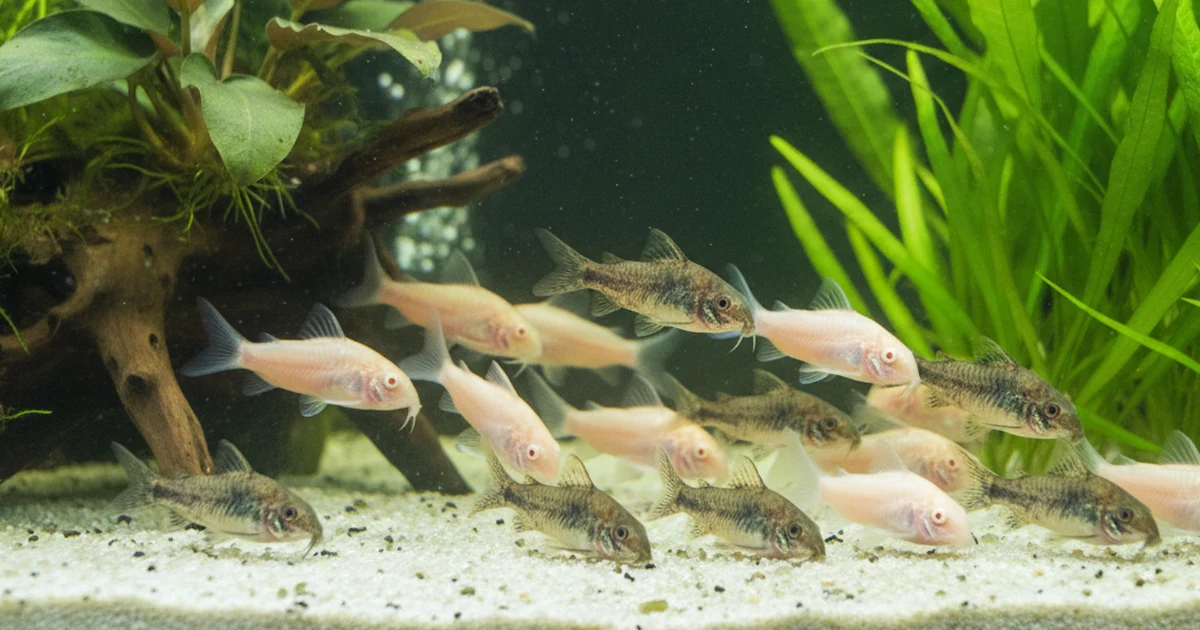
The Classic Corys represent the gold standard of environmental durability and social behavior in the aquarium hobby. Specifically, Corydoras aeneus is prized for its metallic iridescence and industrious nature. Furthermore, they are a staple in community tanks for those who prioritize active bottom-dwellers. In fact, their hardy physiology makes them a resilient resident for both beginners and researchers. Consequently, I reject the assumption that they are merely “clean-up crews” for leftover waste. Therefore, this guide provides the purely analytical evidence required for their stewardship.
Are Classic Corys good pets for beginners?
The Classic Corys are an excellent pet for beginners who can provide a properly established and cycled aquarium. Specifically, they are exceptionally hardy and adapt well to a wide variety of water parameters. Furthermore, their straightforward care requirements make them a low stress introduction to catfish husbandry. In fact, their peaceful nature ensures they will not cause conflict with mid water swimming fish. Consequently, they are a high-value species for any community display. Therefore, I prioritize their inclusion in medium-sized setups.
How long do Classic Corys live and how large do they get?
In a stable environment, Classic Corys typically live for ten to fifteen years as long term companions. Specifically, they reach a manageable maximum adult length of approximately two and a half to three inches. Furthermore, they maintain a stocky and robust body shape throughout their lives. In fact, providing pristine water conditions is the primary factor in reaching their maximum lifespan. Consequently, they are ideal for 20-gallon systems or larger. Therefore, I recommend consistent maintenance to maximize their longevity.
What is the temperament of Classic Corys and why is a school essential?
Keeping Classic Corys in a group of at least six individuals is a non-negotiable requirement for their welfare. Specifically, they are highly social animals that rely on a school for security and social interaction. Furthermore, isolated specimens will exhibit extreme stress and reclusive behavior. In fact, a solitary Cory will likely suffer from a suppressed immune system. Consequently, they are much more active and playful when surrounded by their own kind. Therefore, I recommend a larger shoal for the most natural behavior.
What is the ideal tank setup and substrate?
Soft sand is the only appropriate substrate for this species to prevent physical injury to their barbels. Specifically, they possess delicate sensory whiskers used to sift for food within the substrate. Furthermore, sharp gravel can wear down or sever these organs, leading to fatal infections. In fact, sand allows them to exhibit their fascinating and natural sifting behavior. Consequently, you must prioritize a smooth, fine-grained floor in the aquarium. Therefore, I recommend a 20-gallon long tank to provide maximum horizontal surface area.
What are the ideal water parameters and maintenance?
Classic Corys thrive in stable, warm water between 72°F and 79°F with a pH of 6.0 to 8.0. Specifically, as bottom-dwellers, they are the first to be affected by the buildup of organic waste. Furthermore, your aquarium must be fully cycled with zero ammonia and nitrite. In fact, keeping nitrates low is crucial for preventing systemic illness and barbel erosion. Consequently, regular weekly water changes are a mandatory part of their care. Therefore, I prioritize water stability as the key health metric.
What should I feed my Classic Corys?
Classic Corys diet must be built around high-quality sinking wafers or pellets as a dedicated food source. Specifically, they cannot survive on the “leftovers” from faster mid-water swimming fish. Furthermore, they absolutely relish supplemental feedings of live or frozen bloodworms and daphnia. In fact, they are opportunistic omnivores that require a diverse range of nutrients. Consequently, providing a variety of foods ensures they maintain a plump and healthy belly. Therefore, I recommend feeding them just before the lights go out.
What are the signs of health and why do Classic Corys dart to the surface?
A healthy Cory is active, social, and possesses long, intact barbels. Specifically, a quick dash to the surface to gulp atmospheric air is a normal biological behavior. Furthermore, they absorb this oxygen through their specialized intestinal lining rather than a labyrinth organ. In fact, frequent darting may indicate low dissolved oxygen levels in the water. Consequently, you should monitor their surface visits as an indicator of water quality. Therefore, I prioritize observing their social interaction.
Can you breed Classic Corys in a home aquarium?
Breeding Classic Corys in a home aquarium is entirely possible and often happens without intervention. Specifically, it requires conditioning the school with high protein live foods and slightly cooler water changes. Furthermore, the female will deposit adhesive eggs on the aquarium glass or on broad plant leaves. In fact, simulating a rainstorm through large water changes often initiates the spawning process. Consequently, you must remove the adults after spawning to prevent them from eating the eggs. Therefore, I categorize this as a rewarding intermediate-level project.
The aeneus Family: Bronze, Green, and Albino
Several common color morphs, including the Albino and Green varieties, all belong to the aeneus species. Specifically, the Albino Corydoras is a popular morph featuring a pinkish-white body and red eyes. Furthermore, the Black Venezuelan is another striking variation characterized by a deep black coloration. In fact, all these varieties share identical care requirements and massive growth potential. Consequently, you can choose the aesthetic that best suits your display without changing your maintenance. Therefore, I categorize them by their visual appeal.
Which tank mates are compatible with Classic Corys for a community?
The best tank mates are peaceful species that occupy the middle and upper layers of the tank. Specifically, Tetras, Rasboras, and Guppies are excellent choices for a harmonious community. Furthermore, they coexist perfectly with other peaceful bottom-dwellers like Bristlenose Plecos. In fact, they are completely safe with shrimp and snails and will not harass them. Consequently, they fit into almost any non aggressive setup. Therefore, I recommend avoiding large, aggressive cichlids that might view them as a target.
Essential Equipment for Your Classic Corys
To provide the proper environment for a school of Classic Corys, I recommend the following professional grade components. Specifically, CaribSea Super Naturals Sand is the ideal soft substrate to protect their delicate barbels. Furthermore, the Fluval 207 Canister Filter provides the pristine water quality and high turnover rate required for bottom-dwellers. In fact, supplementing their diet with Hikari Sinking Wafers ensures they receive a dedicated and balanced nutritional profile.
Bronze & Albino Corydoras FAQ
All three are colour morphs of the same species — Corydoras aeneus. The Bronze has metallic iridescent scaling, the Albino has a pinkish-white body with red eyes, and the Green has a deeper emerald sheen. All three share identical care requirements, temperament, and lifespan.
With proper care, Bronze Corydoras live for 10–15 years — significantly longer than most small community fish. They are one of the hardiest and longest-lived Corydoras species available. Pristine water quality and a proper sand substrate are the two factors that most directly determine their lifespan.
Yes — Corydoras aeneus is the most forgiving Corydoras species for beginners. They tolerate a wider pH range (6.0–8.0) than more sensitive species and recover well from minor water quality lapses. They are the standard recommendation for any first-time catfish keeper.
Yes — spawning often occurs spontaneously in a well-maintained community tank. Large cool-water changes trigger the process. Females deposit adhesive eggs on the glass or broad leaves. Remove adults after spawning or they will eat the eggs.
Yes — albinism reduces light sensitivity, making their red eyes more susceptible to stress from bright lighting. Provide shaded areas using floating plants or low-intensity lighting. Their care requirements are otherwise identical to the Bronze variety in every other aspect.
Sources
- FishBase
https://www.fishbase.se/summary/Corydoras-aeneus.html - Aquarium Co-Op
https://www.aquariumcoop.com/blogs/aquarium/cory-catfish-care-guide


Leave a Reply