
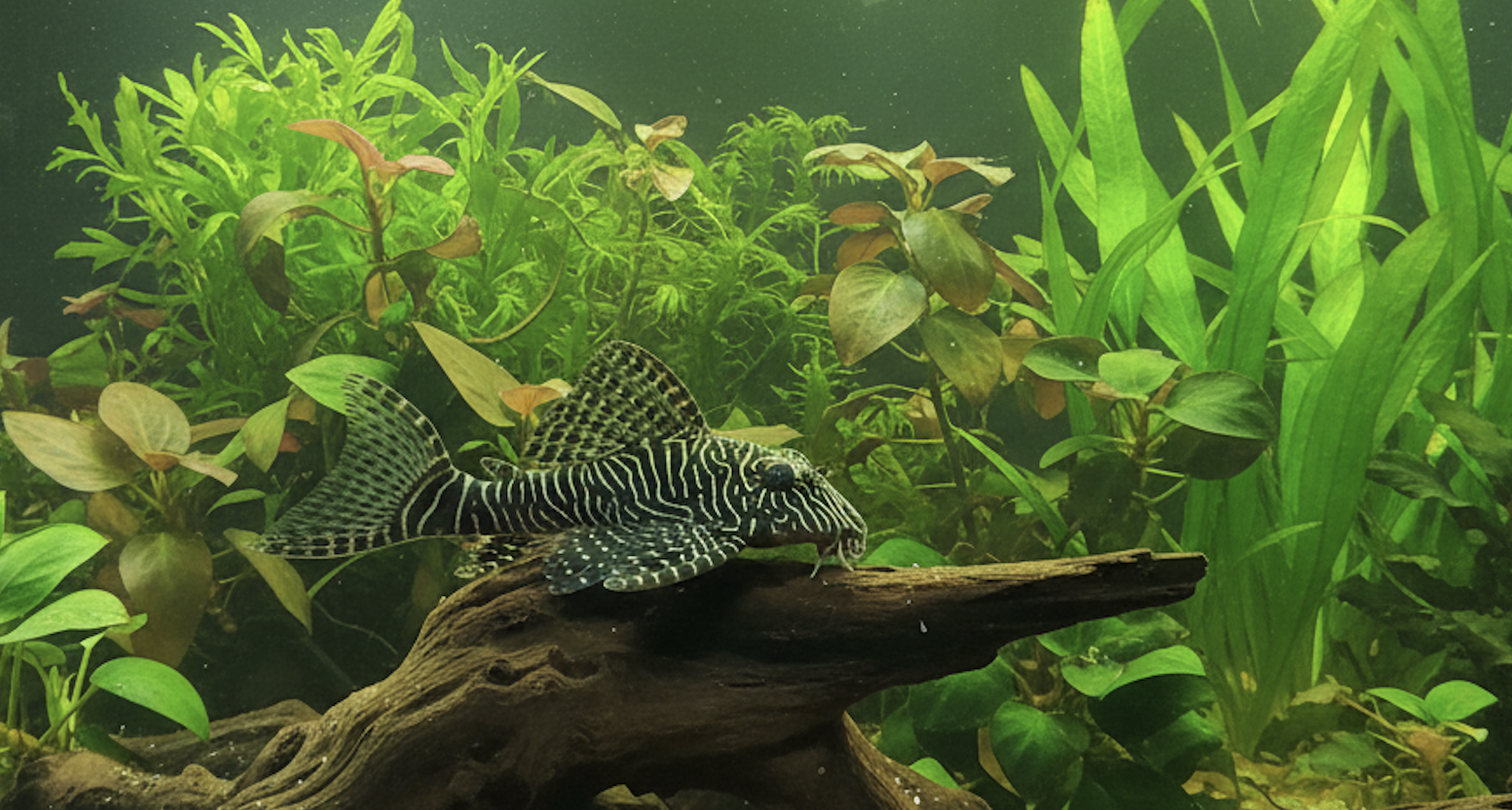
The Queen Arabesque Plecos (L260) (Hypancistrus sp. L260) are small, breathtakingly beautiful catfish from the warm, fast-flowing waters of the Rio Tapajós in Brazil. They are not utility fish; they are living jewels, specialist species that requires a deep commitment to their unique needs from a dedicated keeper.
Are Arabesque Plecos (L260) good for beginners?
Specifically, Arabesque Plecos (L260) require intermediate skills for long term survival. Furthermore, they exhibit extreme sensitivity to dissolved nitrogenous waste. In fact, their initial shyness makes monitoring their health quite difficult. Consequently, a novice keeper might miss subtle signs of stress. Therefore, I recommend this species only for experienced aquarists. As a result, you will avoid unnecessary losses.
How large do Arabesque Plecos (L260) grow and how long do they live?
Arabesque Plecos (L260) reach a manageable adult length of 3.5 inches. Specifically, they represent a long term commitment of fifteen years. Furthermore, their small size allows for housing in medium aquaria. In fact, their longevity depends entirely on pristine water conditions. Consequently, you must plan for a decade of care. Therefore, I categorize them as durable long-term companions.
What is the temperament of Arabesque Plecos (L260)?
Arabesque Plecos (L260) remain exceptionally peaceful toward mid water swimming fish. Specifically, they spend most of their time hiding in dark crevices. Furthermore, males show high levels of territorial aggression toward other plecos. In fact, they will fiercely defend their favorite cave. Consequently, you must provide multiple hiding spots for every individual. Therefore, I recommend a species only setup for social harmony.
What is the minimum tank size and setup?
A 20 gallon long tank serves as the analytical minimum for a small group. Specifically, a 30 gallon system provides better stability for water parameters. Furthermore, the aquarium setup must resemble a fast flowing river bottom. In fact, you should utilize sand and smooth river rocks. Consequently, high water flow is a mandatory biological requirement. Therefore, I prioritize the use of powerheads to simulate their native current.
What are the ideal water parameters?
You must maintain a stable temperature between 80–86∘F for their health. Specifically, they thrive in a pH range of 6.0–7.5. Furthermore, high oxygen saturation is a critical survival factor. In fact, stagnant water will lead to rapid respiratory failure. Consequently, you must perform large weekly water changes. Therefore, I monitor dissolved oxygen levels as a primary metric of success.
Do Arabesque Plecos (L260) eat algae?
No, Arabesque Plecos (L260) are primarily carnivores that reject most aquarium algae. Specifically, they require a meat-based diet to prevent starvation. Furthermore, you should offer high quality sinking pellets and frozen bloodworms. In fact, they possess specialized teeth for consuming benthic organisms. Consequently, they will ignore vegetable based wafers in most cases. Therefore, I recommend feeding them a diverse protein-rich diet after lights out.
How do you identify health issues?
A healthy Arabesque Pleco possesses a plump and rounded belly when viewed from below. Specifically, a sunken or concave stomach indicates starvation or internal parasites. Furthermore, their black and white fine-line pattern should remain vibrant. In fact, pale coloration is a classic sign of environmental stress. Consequently, you must check their physical profile during evening feedings. Therefore, I prioritize daily visual inspections of their abdomen.
Can you breed Arabesque Plecos (L260) in an aquarium?
Breeding Arabesque Plecos (L260) is a significant achievement for any researcher. Specifically, it requires a ratio of one male to multiple females. Furthermore, the male will trap a female inside a tight cave to spawn. In fact, he provides all the parental care for the eggs. Consequently, you must provide multiple specialized “pleco caves” for success. Therefore, I categorize this as a rewarding intermediate-level project.
Which tank mates are compatible?
The best tank mates are small, peaceful fish that appreciate high temperatures. Specifically, Cardinal Tetras and Rummy Nose Tetras make excellent companions. Furthermore, they will not compete with the plecos for bottom territory. In fact, you should avoid housing them with aggressive cichlids. Consequently, choosing top dwelling fish maintains a stable social hierarchy. Therefore, I recommend avoiding other large bottom-dwellers entirely.
How do you distinguish between males and females?
Specifically, mature males develop prominent odontodes on their pectoral fins and gill covers. Furthermore, they appear physically “hairy” compared to the sleek skin of females. Consequently, texture is the primary visual marker for sexing adults. However, females possess a significantly broader midsection when viewed from above. In fact, these sexual characteristics only appear once the fish reach maturity. Therefore, I prioritize body girth for sexing younger specimens. As a result, you can accurately identify potential breeding pairs.
What is the historical origin and purpose of the L-number for Arabesque Plecos (L260)?
Specifically, the L-number system began in 1988 to identify loricariids without scientific names. Furthermore, the German magazine DATZ created this code to manage new species. Consequently, Arabesque Plecos (L260) became a globally recognized brand in the hobby. In fact, the “L” stands for the family Loricariidae. However, some species eventually receive a permanent scientific designation. Therefore, the system organizes thousands of unique fish populations. As a result, researchers track export data with precision.
Are there any conservation concerns for this species?
Specifically, Brazil regulates the export of endemic fish through the agency IBAMA. Furthermore, habitat destruction from mining and dams remains a primary threat. Consequently, Arabesque Plecos (L260) have faced several export bans in the past. In fact, purchasing captive-bred specimens reduces the pressure on wild stocks. However, hobbyist demand continues to drive the illegal collection of restricted species. Therefore, I advocate for the protection of the Rio Tapajós. As a result, we ensure the survival of the species.
Arabesque Plecos (L260) FAQ
Arabesque Plecos need a minimum of 30 gallons to thrive. These small catfish stay under four inches but require stable water parameters and significant floor space. Provide multiple caves to reduce stress and prevent territorial disputes in smaller aquarium setups.
Feed Arabesque Plecos high-protein sinking pellets and frozen bloodworms or brine shrimp. They are not effective algae eaters and will starve on a diet of greens alone. Offer food after the lights go out to ensure these shy, nocturnal fish actually eat.
Maintain water temperatures between 76°F and 82°F with high oxygen levels. These plecos originate from fast-moving Brazilian rivers and crash quickly in stagnant or cool water. Use powerheads to create strong currents and keep dissolved oxygen levels at their peak for health.
Arabesque Plecos are peaceful residents for community tanks containing small, non-aggressive species. They will fight other bottom-dwellers for territory if caves are limited. Avoid large, boisterous tank mates that will outcompete these timid catfish for high-protein food sources during the night.
Arabesque Plecos reach a maximum length of roughly 3.5 to 4 inches. Their small stature makes them perfect for enthusiasts who want a pleco without upgrading to a massive aquarium. Slow growth rates mean you must provide consistent, high-quality nutrition to reach their full potential.
Sources
- Aquarium Care Basics
https://www.aquariumcarebasics.com/freshwater-aquarium-fish/queen-arabesque-pleco/


Leave a Reply