
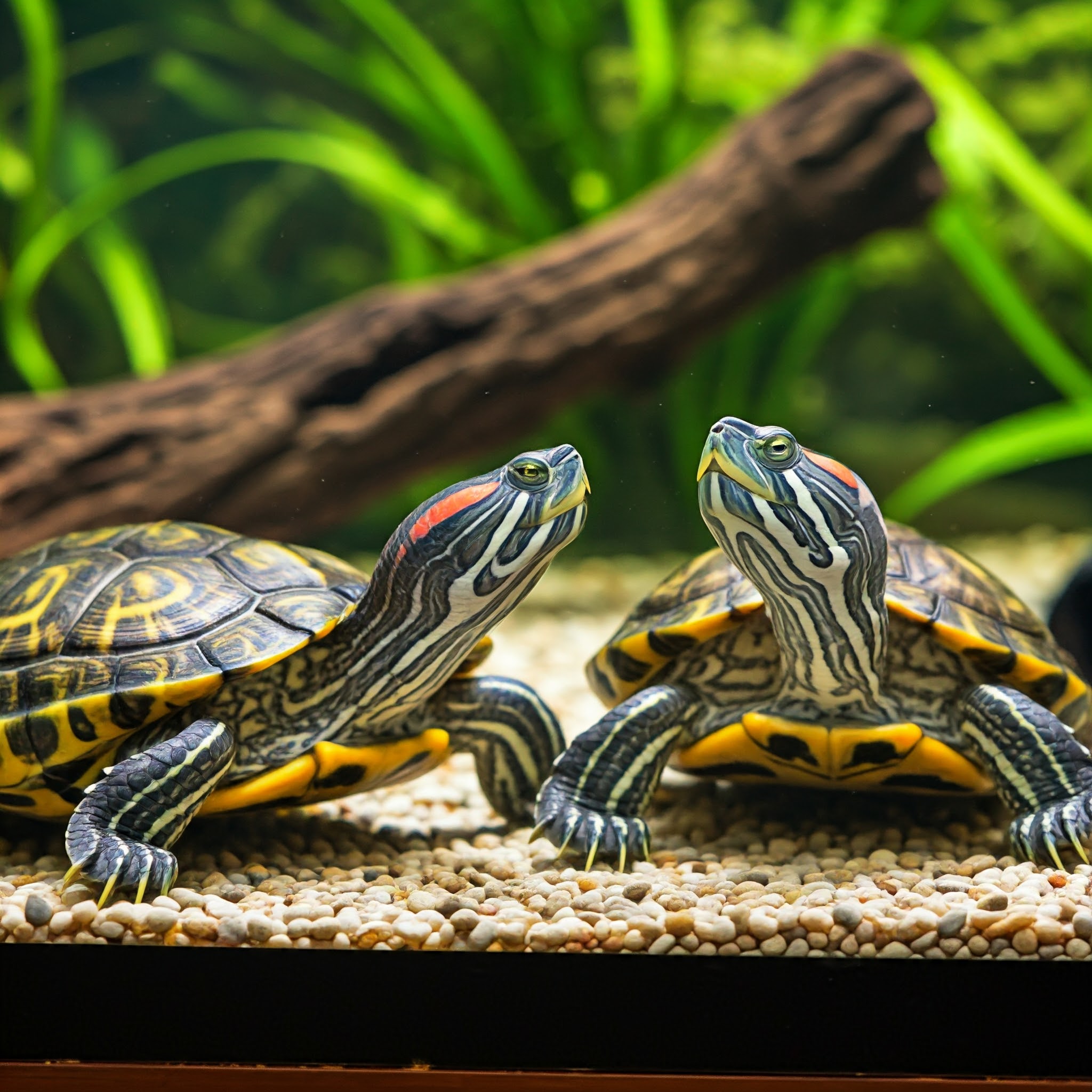
In a house that’s been home to fifteen cats, a giant dog, and a whole crew of reptiles and fish, I’ve learned one non-negotiable rule: you wash your hands. A lot. You wash them after handling pets, after cleaning tanks, and before touching anything in the kitchen. It’s not a suggestion; it’s a reflex. My turtles, Mike and Frida, are charismatic andwonderful, but they are still wild animals with wild animal germs. Loving them means respecting that fact. Therefore,this guide isn’t meant to scare you; it’s meant to empower you to build the simple, crucial habits that keep everyone in your home—human and shelled—safe and healthy.
Can you get salmonella from touching a pet turtle?
Let’s address this matter directly: while it’s true that salmonella can be transmitted by turtles, the perceived risk is often exaggerated. Turtles are not inherently dirty; they simply inhabit environments where bacteria can flourish. Therefore, practicing good hygiene is crucial. Always wash your hands thoroughly after handling your turtle; this can greatly reduce the risk of salmonella infection. Instead of concentrating on potential downsides, focus on the joy and enrichment turtles bring to your life. Concentrating on fears may result in unnecessary stress and the abandonment of these captivating pets. To prevent salmonella infection, wash your hands with soap after interacting with turtles. Furthermore, if your enclosure isn’t bioactive, remember to deep clean it every three months and use chlorhexidine to eliminate salmonella bacteria.
My turtle bit me! What should I do?
if you get bitten while handling your turtle, do not return it to its aquarium right away. Such an action can inadvertently reward your slider; it might teach it that biting humans is acceptable behavior. Instead, place the turtle in a separate container for a while. Next, clean the bitten area with soap and water, ensuring that you thoroughly flush the wound with running water. Finally, gently dry the area, then apply antibiotic cream or ointment before covering it with a bandage.
How to maintain a healthy environment for my turtle?
Let us talk about turtle diseases. But first, a good way to guarantee your turtle’s health is to weigh it regularly. You should also measure its carapace to track its growth. You should do this once or twice a month; this can tell if you are feeding too much or too little. Conversely, sudden weight loss means illness. Now, let us discuss common diseases, their causes, prevention, and treatment.
What is Pyramiding?
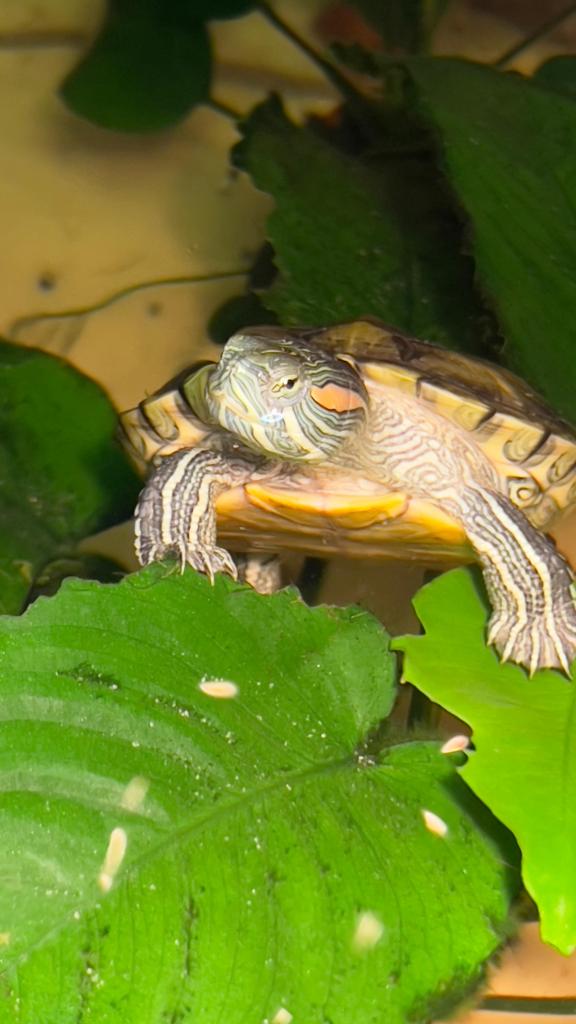
This is when there is an excessive upward growth of your turtle’s scutes. Essentially, this means your turtle didn’t shed properly, and the scutes are building up like layers. As a result, it looks bumpy instead of a smooth carapace.
Causes: Overfeeding. Excess protein or fat in its diet. Not enough calcium. Not enough UVB and not enough exercise. Or finally, a genetic defect.
Treatment: Unfortunately its irreversible. But you can prevent future damage. With proper lighting and diet it can get better when your turtle sheds a few times. That will take a long time.
Can Turtles get Pneumonia?
(Respiratory infections)
Symptoms: runny nose, bubbling around eyes, or mouth or nostrils. Watery eyes. Less appetite. sinks to the bottom with great effort. open its mouth to breath looking lethargic.
Causes: low basking temperature. lower water temperature than recommended. Not enough UVB. And, poor sanitation.
Treatment: You will need to go to the vet. They will examine the lungs, do an X-ray and will prescribe antibiotics to clear out the lung infection.
Do Trutles get Fungal Infections?
This is very common. It is crucial to have a good filtration system and do regular water changes.
Symptoms: small green patches on the skin or shell. Or, fuzzy white or yellow patches. Don’t confuse the white patches that naturally occur while shedding with fungus. Fungus returns when brushed off, shedding does not.
Causes: Poor sanitation is the most common reason. Or, infrequent water changes. Fungal infections can also be caused by cold basking temperature or not enough UVB.
Treatment: Give your turtle a salt bath. Specifically, in a 10 gallon tub, add 5 gallons of water and a quarter cup of salt. Water temperature should be anywhere between 24 and 30 degrees Celsius. Next, let your turtle soak for 30 to 40 minutes whileyou gently scrub the infected area with a soft sponge. Afterward, take out your turtle and let it dry under a heating lamp completely before returning it to its aquarium. You must repeat this everyday for 2 weeks and don’t use the sponge for anything else except your turtle. Throw the sponge away after the 2 week treatment is over. However, if the fungal infection does not clear up, you need to take it to the vet; your turtle might then require dry docking.
What is Metabolic Bone Disease in Reptiles?
This is a general term for a group of medical disorders that affect reptiles bones.
Causes: Neglect. Basically your turtle has been living in all the wrong conditions for a long time.
Symptoms: Your turtle will seem inactive. In addition to this, other symptoms include tremors, muscle twitching, seizures, weird movements, and bumps on legs and bones. Furthermore, the shell becomes softer, and the turtle starts getting curved limbs. Finally, you may also observe crooked nails, beak distortion, cloacal prolapse, and bone fractures.
Treatment: Your turtle can heal with UVB and calcium therapy. However, damage to the bones will leave scars. It is recommended to use a UVB bulb 10.0 or sun bathe it between 10 am and 2 pm. But beware of days when the temperature is higher than 33 degrees Celsius. Although MBD is irreversible, it is also a very preventable disease. Ultimately, a properly kept turtle, or any reptile for that matter, should not get MBD.
How do Minerals buildup on a Turtle?
This is when you find mineral deposits on your turtle’s shell.
Cause: Hard water.
Treatment: weekly shell brushing. You can also add a pouch of peat moss in your filter.
Can Algae buildup on my Turtle?
Algae will accumulate on your turtle’s shell just as it does on everything else in the tank. This buildup is similar to mineral accumulation, and consequently, it can hinder your turtle’s ability to absorb UVB light and heat. Furthermore, this situation may potentially conceal infections or injuries. Finally, if algae infiltrates shed scutes, it may lead to shell rot, with hair algae being particularly concerning.
Treatment: Gently scrub your turtle’s shell weekly.
Prevention: Maintain a clean aquarium. Scrape algae from the glass regularly. Ensure proper water circulation with a good filtration system. Incorporate live plants into the tank. Add algae-eating fish like plecos or bristlenose. Conduct regular water changes.
How to Care for an Injured Turtle Shell?
It is when your turtle’s shell is chipped, cracked, broken or bleeding.
Causes: Your turtle got hurt from a sharp object or decoration. Bullying from other turtles mates. Or disease.
Treatment: Clean the shell with saline solution and apply Betadine. Allow it to dry completely before putting it back in the aquarium. If the injury is severe cover it well with sterile gauze and take it to the vet.
What is Shell Rot?
A bacterial or fungal infection that you will find on your turtle’s carapace or plastron.
Causes: This basically will happen with inadequate filtration or not enough water changes for a while. Also, long exposure to low basking temperature or lack of dry basking area. And untreated shell injuries.
Symptoms: Black holes on your turtle shells or soft spots. Red area on the shell or black or white spots. Foul smell. Or, the shell is falling apart due to being left untreated for a while.
Treatment: If you suspect shell rot, take your turtle to the vet immediately. It is very painful for your slider and has to be treated by cleaning the affected area. The vet will prescribe dry socking and antibiotics. It is going to be a long journey to recovery. Shells take a long time to heal.
Prevention: Weekly gently scrubbing of your slider’s shell to remove algae and mineral deposits.
How to Identify Abscesses?
An injury that is filled with puss. In mammals, its liquid. But in reptiles, its solid. You can find it on your turtle’s nose, around the ears, legs or jaw.
Symptoms: lump under the skin, swollen area. Loss of appetite. and lethargy.
Causes: A range of factors can cause swollen eyes in turtles. These include Vitamin A deficiency, lack of good filtration or notdoing enough water changes, persistent cold temperatures in the water or basking temperature, parasites, bacterial orfungal infection, a broken bone, and finally, nutritional deficiency.
Treatment: Surgical removal. And your turtle will need to be dry docked until the wound heals. The vet will prescribe pain medication and antibiotics.
What is an Overgrown beak?
Symptoms: When the upper part of the mouth grows past the bottom part. Your turtle will have trouble grabbing and chewing.
Causes: Diet imbalance. Too much soft food. Or, a broken jaw.
Treatment: The vet can file it down.
Prevention: keep cuttlebone in your turtle’s tank to bite on. It will help keep the beak in a healthy shape.
How to Identify if My Turtle Has Prolapse?
There is intestinal prolapse, rectal prolapse and penile prolapse. This is when organs slip out and gets stuck there.
Symptoms: Pink or red or purple flesh hanging out of the cloakal opening and not retracting.
Causes: Constipation. Old age. Poor muscles. The turtle had an impact with something in the tank. And finally, malnutrition.
Treatment: In the case of penile prolapse, you need to know that males occasionally air out their penis. This also can happen when it’s stressed or sexually excited.
If retraction does not happen, clean the area with room temperature water. Next, place your turtle in a container and let it soak in a sugar water solution. This encourages retraction in some cases.
If that doesn’t work either, apply KY jelly on the prolapsed area. Then, place your turtle in a plastic container with damp water towels. Afterward, take it to the vet. The vet might perform surgical removal or placing the tissue back inside and suturing it closed. It is important to mention that a concentrated sugar solution creates an osmotic gradient that draws fluid out of the swollen tissue, potentially allowing it to shrink and retract. KY Jelly prevents the tissue from desiccation (drying out). Brutal Honesty: 24–48 hours is too long to wait if the tissue is changing color (from pink to purple/black). Seek a vet immediately.
Do Turtles have Parasites?
The most common are internal parasites. Usually found in your turtle’s digestive tract. Sometimes in other areas in its body. The good news is turtles can handle a small number of parasites. However, if the parasite population gets out of control, they will harm their host.
Symptoms: Loss of appetite. Sudden weight loss. Vomiting, lethargy, bloody stool, or neurological problems.
Treatment: Regular testing for the turtle’s stool at the vet.
What are the Causes of Thiamine Deficiency?
This vitamin is involved in metabolism. If your turtle doesn’t get it, they become ill and might die.
Symptoms: Sensory problems. Muscle weakness. Weaker immunity. Weight loss. Seizures, twitching and lethargy.
Causes: Feeding your turtle goldfish, clams, tuna, scallops and limpets.
Treatment: Switch to feeder fish that does not contain thiamenase like mollies, platies, swordtails and guppies.
Is my Turtle over weight?
Do not over feed your turtle. Over weight causes very serious problems.
Causes: Small enclosure. Not enough exercising. Obviously overfeeding. Giving a lot of treats. And finally, too much fatty food.
Symptoms: Bulges when retracting its legs inside. Unable to tuck its limbs inside the shell at all. Your turtle looks fat around the neck. And finally, unable to walk on land.
Treatment: Getting your turtle to lose weight. In reptiles in general this is a very slow process. Increase aquarium size. Have your turtle exercise more. You can put live fish for it to chase and swim more. Keep monthly record of your turtle’s weight to track the progress.
Disclaimer: This article is for informational purposes only. The information provided should not be considered a substitute for professional veterinary advice. If your pet is displaying concerning behavior, it’s crucial to consult with a qualified veterinarian.
Turtle Health FAQ
Salmonella transmission from pet turtles happens but the risk gets exaggerated in mainstream coverage. Thorough handwashing with soap after handling any turtle eliminates nearly all transmission risk. Bioactive enclosures and quarterly chlorhexidine deep cleans for non-bioactive setups further reduce bacterial load significantly.
Shell rot is a bacterial or fungal infection that destroys the carapace or plastron over time. Symptoms include black holes, soft spots, foul smell, and discolored patches across the shell surface. Untreated cases require veterinary antibiotics, dry docking, and months of slow recovery.
Turtles develop respiratory infections from cold water, low basking temperatures, insufficient UVB, or poor sanitation. Symptoms include runny nose, bubbling around the eyes or nostrils, lethargy, and open-mouth breathing. Veterinary diagnosis through X-rays and prescription antibiotics offer the only reliable cure.
Metabolic Bone Disease in turtles develops from prolonged calcium deficiency, inadequate UVB exposure, or both factors combined. Symptoms include soft shell, curved limbs, tremors, beak distortion, and bone fractures. Damage stays permanent even after treatment, making this preventable disease an entirely avoidable tragedy.
Pyramiding causes a turtle’s shell scutes to grow upward in pyramid-shaped lumps rather than developing smoothly. Common culprits include overfeeding, excess protein in the diet, calcium deficiency, insufficient UVB exposure, and lack of exercise. Existing pyramids cannot reverse but proper husbandry prevents further deformity over time.
Goldfish, rosy reds, clams, tuna, scallops, and limpets contain high levels of thiaminase that destroys vitamin B1. Long-term feeding of these items causes thiamine deficiency, leading to seizures, weakness, weight loss, and death. Safe alternatives include guppies, mollies, platies, and swordtails.
Fungal infections on a turtle’s shell respond to daily salt baths during a two-week treatment course. Mix a quarter cup of salt into 5 gallons of warm water at 24 to 30 degrees Celsius. Soak the turtle 30 to 40 minutes while gently scrubbing affected areas with a dedicated soft sponge.
Place the biting turtle in a separate container immediately rather than returning it to the aquarium. Wash the wound thoroughly with soap and running water before applying antibiotic ointment and a clean bandage. Returning the turtle straight to its tank reinforces biting as acceptable behavior.
Sources
- CDC
https://www.cdc.gov/salmonella/turtles-04-22/index.html - LafeberVet
https://lafeber.com/vet/metabolic-bone-disease-in-reptiles/ - MSD Veterinary Manual
https://www.msdvetmanual.com/exotic-and-laboratory-animals/reptiles/respiratory-diseases-of-reptiles - Reptiles Magazine
https://reptilesmagazine.com/turtle-and-tortoise-vitamin-and-mineral-needs/ - Anapsid.org
http://www.anapsid.org/prolapse.html


Leave a Reply