
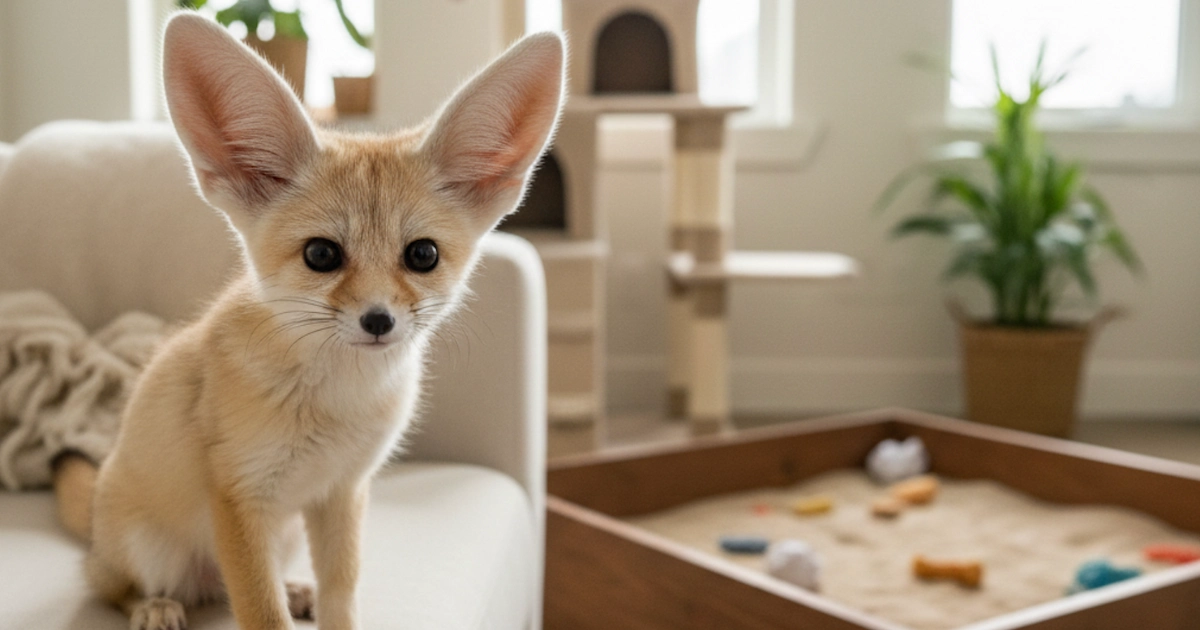
The Fennec Fox is the smallest fox in the world. Specifically, it possesses one of the biggest personalities. Their viral popularity often hides the reality of demanding care. This guide provides an honest look at their lives. It details what it takes to share your life with this tiny canid.
Legality and Ethical Considerations
Is it legal to own a fennec fox?
This is the most critical question. Specifically, fennec fox ownership is illegal in many states. Laws vary wildly and change often. You must check your specific state and city ordinances.
Do you need a special permit?
Yes. Most legal areas require a wildlife license. Specifically, this may require a pre-inspected enclosure.
Where can you find a reputable breeder?
You must source from a USDA-licensed breeder. Specifically, a good breeder has clean facilities and socialized kits. They will ask you many questions. This ensures you are a suitable and legal home. Therefore, be wary of online scams. Reputable breeders never sell to unlicensed individuals.
Fennec Fox Species Biology and Adaptations
The scientific name for the fennec fox is Vulpes zerda. Specifically, they live for 10 to 14 years in captivity. They have incredible adaptations for desert life. Their oversized ears dissipate heat. Furthermore, they use these ears to hear prey underground. They have thick fur on their feet. Specifically, this fur protects them from hot sand. Their kidneys are highly efficient. Consequently, they conserve water very effectively in arid environments.
Fennec Fox Habitat and Enclosure Needs
They need a lot of space for high energy. Specifically, many keepers provide a large outdoor enclosure. This should connect to a climate-controlled indoor space. The enclosure should be as large as possible. Digging is a primary instinct for this species. Specifically, you must provide a deep sand or dirt box. They will try to dig through floors without this outlet.
How do you prevent escapes?
They are master escape artists. Specifically, an outdoor enclosure must have a full roof. They are excellent climbers. Bury wire mesh several feet deep around the perimeter. This prevents them from digging out. Furthermore, use secure locks on all doors.
Do they scent mark?
Yes. Specifically, they use scent glands to mark territory. This creates a distinct musky odor in your home.
Diet and Nutritional Planning
Fennec foxes are omnivores. Specifically, a healthy diet is a mix of several items. Use a high-quality commercial wild canid diet. You can also use grain-free cat food. A large portion of their diet must be protein. Specifically, offer crickets and mealworms. Provide eggs and frozen-thawed mice.
Small amounts of vegetables like sweet potato are good. Furthermore, offer fruits like berries and melon.
Why is taurine-rich food important?
Like cats, fennecs require this essential amino acid. Specifically, a deficiency causes blindness and heart failure. Therefore, high-quality cat food is a crucial part of the plan.
Fennec Fox Health and Veterinary Care
You must find a specialized animal vet first. Specifically, do this before you bring a fennec home. Use the Association of Mammal Veterinarians locator tool. Standard vets are not equipped to treat them.
Are there recommended vaccines?
No vaccines are specifically approved for fennecs. Specifically, vets use off-label canine vaccines. These protect against rabies and distemper. However, their safety is not guaranteed.
Spaying or neutering is highly recommended. Specifically, it prevents certain cancers. It also tempers hormonal behaviors. This is a specialized procedure. Therefore, it must be performed by an experienced specialist.
Fennec Fox Temperament and Social Behavior
They are social within family groups. However, they are not cuddly pets. Specifically, they show affection by playing and vocalizing. They do not enjoy being held tightly. A well-socialized fennec will bond with its owner. Furthermore, they are very playful animals.
Are they prone to biting?
They will nip during play. Specifically, they bite defensively if scared.
What are their nocturnal habits?
They are most active at night. Specifically, they will be loud and playful while you sleep. They are very noisy animals. Specifically, they express excitement through high-pitched shrieks. They also have a guttural purr.
Is it risky with other pets?
Yes. Specifically, their high prey drive is dangerous. Never trust them around rodents or birds. They may get along with calm dogs. However, you must provide careful supervision at all times.
Fennec Fox Training and Interaction
Can they be litter-box trained?
Yes. They take very well to high-sided litter boxes. Specifically, they are naturally clean animals. Can they walk on a leash? Yes. They can be successfully harness-trained. Specifically, this provides excellent exercise and enrichment.
Do they enjoy being handled?
They prefer to interact on the ground. They may climb on you on their own terms. Forcing interaction will break their trust. Breeding fennec foxes is a significant undertaking. Specifically, they are monogamous and mate for life. This should only be done by licensed professionals. Consequently, casual breeding is highly discouraged.
Fennec Fox Care FAQ
It depends entirely on your location — ownership is illegal in many US states and laws change frequently. You must check your specific state, city, and county ordinances before pursuing one. Most legal jurisdictions also require a wildlife permit and a pre-inspected enclosure before a licensed breeder will sell to you.
Only for the right person with the right setup. They are not cuddly, they are loud and active at night, they scent-mark their territory, and they have a high prey drive dangerous to small animals. For a dedicated keeper with space, time, and realistic expectations, they are extraordinarily rewarding.
Yes — they are naturally clean animals that take well to high-sided litter boxes. This is one of their most manageable traits compared to other exotic canids. Consistent placement and a clean box maintained daily produces reliable results in most well-socialised individuals.
Yes — they can be successfully harness-trained and leash walking provides excellent exercise and enrichment. A properly fitted H-style harness is essential as standard collars are unsafe. Start training young and use high-value treats to build positive associations with the harness.
10 to 14 years in captivity with proper care — a significant long-term commitment. Their longevity depends on a taurine-rich diet, a large secure enclosure with a digging outlet, specialist veterinary care, and a stable environment that accommodates their nocturnal activity schedule.
Sources
- Born Free USA
https://www.bornfreeusa.org/campaigns/animals-in-captivity/state-laws/ - Animal Diversity Web
https://animaldiversity.org/accounts/Vulpes_zerda/ - AEMV
https://aemv.org/


Leave a Reply
You must be logged in to post a comment.