
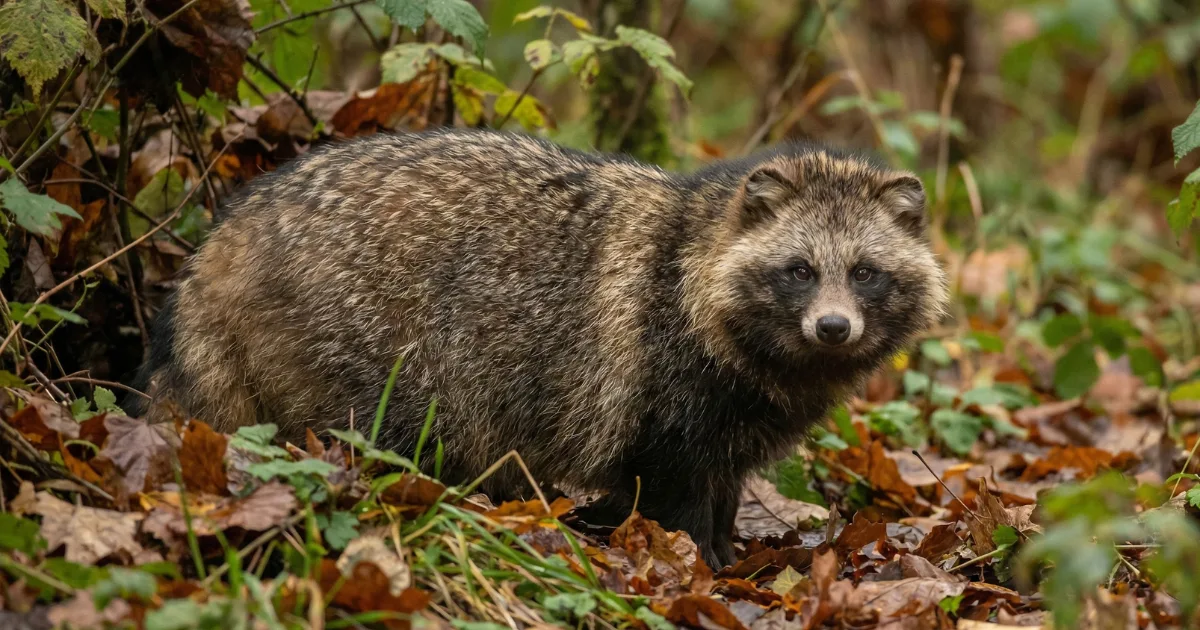
My fascination with the canid family has always drawn me to its most unusual members. While I love domestic dogs, it’s the wild cousins—the foxes, the wolves, the dholes—that truly captivate my imagination. Among these, the Raccoon Dog, or “Tanuki” of Japanese folklore, holds a special place. It’s a canid that looks like a raccoon, a creature of myth and legend, a shy forest dweller. I once had the rare opportunity to observe one up close at a wildlife sanctuary. Looking into its intelligent, curious eyes, I felt a connection not to a pet, but to a piece of ancient, untamed wilderness. It was immediately and profoundly clear that this was not a dog, not a raccoon, and certainly not a simple house pet. It was a unique and wild being that deserved a world of respect.
The Raccoon Dog (Nyctereutes procyonoides) has gained some niche popularity, but its wild nature and legal status as an invasive species make it one of the most challenging and ethically complex animals a person can consider keeping. This guide is dedicated to providing an unvarnished, realistic look at this unique canid.
Is it legal to own a raccoon dog where I live?
The legality of owning a raccoon dog is highly restrictive because most governing bodies classify them as high-risk invasive species. In the United States, the federal Lacey Act lists them as “injurious wildlife,” which prohibits importation and interstate transport. Furthermore, the European Union and the United Kingdom strictly ban the breeding, sale, or acquisition of these animals. Specifically, they are listed as Invasive Alien Species of Union Concern due to their impact on local biodiversity. You must verify local statutes with your state or regional wildlife agency before considering ownership.
What are the consequences of illegally keeping a raccoon dog?
Engaging in the illegal possession of an invasive species typically results in severe legal and financial penalties. Authorities may impose heavy fines or pursue criminal charges that include potential jail time. Furthermore, officials will likely confiscate the animal, which often leads to mandatory euthanasia because relocation options are limited. Consequently, the risks to both the keeper and the animal are substantial.
Are raccoon dogs subject to invasive species laws?
Yes, raccoon dogs are subject to rigorous invasive species laws across the globe. They have established destructive feral populations throughout Europe after escaping from fur farms in the 20th century. These animals pose a significant threat to native ground-nesting birds, amphibians, and small mammals. Specifically, their high adaptability allows them to outcompete local predators. Therefore, international environmental agencies prioritize the containment of this species.
What should I do if I see an abandoned or escaped raccoon dog?
If you encounter a wandering raccoon dog, you must avoid direct contact and maintain a safe distance. Immediately contact your local animal control or state wildlife services for professional intervention. These animals are known rabies vectors and may carry parasites like Echinococcus multilocularis. As a result, only trained professionals with proper protective equipment should handle them to prevent zoonotic transmission.
Are raccoon dogs domesticated or still wild animals?
Raccoon dogs remain purely wild animals and lack the genetic history of domestication found in dogs or cats. Even individuals born in captivity retain their early survival instincts and skittish temperaments. They do not respond to traditional obedience training or human social cues in a domestic manner. Furthermore, they maintain a nocturnal or crepuscular activity cycle that often conflicts with human schedules.
Are raccoon dogs good for families?
No, the raccoon dog is entirely unsuitable for a typical family environment or households with children. Their natural defense mechanism involves biting or emitting pungent scents when they feel threatened or cornered. Because they are shy and easily stressed, the high-energy nature of children can trigger aggressive responses. Consequently, they require a controlled, quiet environment that most family homes cannot provide.
Do raccoon dogs bond with their owners?
Scientific evidence suggests that raccoon dogs do not “bond” in the way domestic dogs or even socialized foxes do. While they may eventually recognize a consistent keeper as a non-threat, this is a utilitarian association based on food. They do not seek out human companionship for emotional satisfaction. Furthermore, captive individuals often display chronic stress when forced into social interactions. Therefore, keepers must view them as exhibit animals rather than pets.
Can they be housed with other pets?
Housing raccoon dogs with other pets is extremely risky and generally discouraged by experts. They possess a high prey drive and may view smaller animals, such as cats or rabbits, as food items. While they are social with their own kind, they may perceive domestic dogs as territorial rivals or threats. Specifically, interactions can lead to severe injury or the transmission of various canine pathogens.
What does their vocalization sound like?
Raccoon dogs do not possess the ability to bark like domestic dogs or howl like wolves. Their vocal repertoire includes a series of high-pitched whines, whimpers, and unique mewling sounds. During territorial disputes or when threatened, they produce deep growls or chattering noises. Consequently, their communication style is more reminiscent of a fox or a procyonid than a typical dog.
How much space does a raccoon dog need?
A raccoon dog requires a massive, secure outdoor enclosure rather than an indoor living space. The absolute minimum footprint for a single animal should be 150 to 200 square feet. However, larger spaces are always preferable to accommodate their natural foraging behaviors. The enclosure must feature diverse terrain, including climbing structures and digging pits, to maintain their physical health.
What does a raccoon dog enclosure need to prevent escapes?
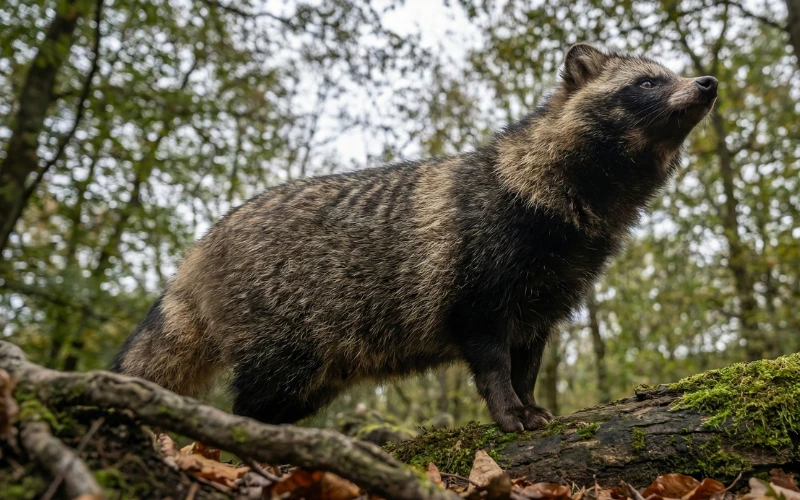
Escape-proofing is the most critical aspect of enclosure design because raccoon dogs are proficient climbers and diggers. The structure must include a full roof or high walls equipped with inward-facing overhangs. Furthermore, you must bury heavy-duty wire mesh at least 30 to 60 centimeters deep around the entire perimeter. A double-door “safety catch” entry system is also necessary to prevent the animal from bolting during maintenance.
Can they be house-trained?
No, it is virtually impossible to house-train a raccoon dog in the same way as a domestic puppy. In the wild, they utilize communal “latrine” sites to mark territory and communicate with other individuals. They also possess active scent glands that produce a heavy, musky odor which permeates indoor fabrics. Consequently, keeping them inside a human residence is unhygienic and stressful for the animal.
Do they need a den or hiding place?
Providing a secure, insulated den box is an essential requirement for the psychological well-being of a raccoon dog. This area serves as a retreat from perceived threats and a shelter during inclement weather. During the autumn, they will utilize this space to prepare for their winter torpor phase. Therefore, the den should be placed in a quiet, low-traffic area of the enclosure.
Are raccoon dogs destructive?
Raccoon dogs are naturally destructive because their survival depends on digging for tubers and tearing apart logs for insects. In a captive setting, this behavior translates to the destruction of landscaping, wooden structures, and irrigation lines. Furthermore, they require constant environmental enrichment to prevent stereotypic behaviors caused by boredom. Consequently, keepers must provide a steady supply of “destructible” items like hollow logs and cardboard boxes.
Do they have a strong odor?
Yes, raccoon dogs produce a very potent and distinct musky odor through their specialized scent glands. This smell is used for territorial marking and social signaling among members of the species. Many humans find this scent highly unpleasant and difficult to remove from clothing or skin. Furthermore, their latrine habits contribute to a concentrated ammonia smell if the enclosure is not cleaned daily.
Do they hibernate or become less active in winter?
Raccoon dogs are the only canids that enter a state of torpor during the coldest months of the year. Unlike true hibernation, they may wake up on warmer days to forage briefly before returning to sleep. To prepare, they increase their body mass by up to 50% during the autumn months. Consequently, their activity levels and caloric needs drop significantly during the winter season.
What is the proper diet for a captive raccoon dog?
As true omnivores, raccoon dogs require a highly varied diet to prevent nutritional deficiencies and obesity. A balanced captive diet should include a high-quality, grain-free base supplemented with lean proteins like eggs and insects. Furthermore, they must receive various fruits, berries, and root vegetables to mimic their natural foraging habits. Specifically, providing whole prey items like frozen-thawed mice helps maintain dental health and provides mental stimulation.
Why do they sometimes dip their food in water?
Dipping food in water is a natural foraging behavior that helps the animal manipulate and clean its meal. This behavior is remarkably similar to the “washing” action seen in North American raccoons. However, in raccoon dogs, it may also serve to soften hard food items or simply satisfy a tactile instinct. Consequently, keepers must provide large, shallow water basins that are cleaned and refilled daily.
What are the most common health problems in raccoon dogs?
The most prevalent health issues for captive raccoon dogs include obesity, dental disease, and various parasitic infections. Because they are highly opportunistic eaters, they easily gain excessive weight, which puts stress on their joints. Furthermore, they are susceptible to standard canine viruses such as distemper and parvovirus. Regular veterinary check-ups with an animal specialist are mandatory to monitor these conditions.
What are the zoonotic diseases they can carry?
Raccoon dogs are significant vectors for several zoonotic diseases that can be transmitted to humans. They are primary carriers of rabies in many parts of Asia and Europe. Additionally, they frequently carry sarcoptic mange, which causes severe skin irritation in humans and other pets. They also host internal parasites, such as the fox tapeworm, which can cause serious organ damage if ingested by humans.
Do they need specific vaccinations?
Yes, captive raccoon dogs must follow a strict vaccination protocol similar to that of domestic dogs. They require immunizations against rabies, canine distemper, parvovirus, and leptospirosis. However, because they are an exotic species, some vaccines must be used “off-label” under the guidance of an expert veterinarian. Consequently, finding a qualified professional who is willing to treat an invasive species can be challenging.
What is the average lifespan of a pet raccoon dog?
In a well-managed captive environment, a raccoon dog typically lives between 6 and 11 years. This lifespan is significantly longer than that of their wild counterparts, who often succumb to predation or disease. However, achieving this longevity requires meticulous attention to diet and preventative veterinary care. Therefore, potential keepers must be prepared for a decade-long commitment to a highly demanding animal.
Species Information
- Scientific Name: Nyctereutes procyonoides
- Raccoon Dog vs. Raccoon: They are not biologically related. Raccoon dogs are members of the Canidae family, while raccoons belong to the Procyonidae family. This is a classic example of convergent evolution, where two unrelated species develop similar traits.
- Japanese Subspecies (Tanuki): The Japanese subspecies (N. p. viverrinus) is physically smaller and has a less dense winter coat than the mainland variety.
Raccoon Dog Care FAQ
In most places, no. The US federal Lacey Act classifies them as injurious wildlife, prohibiting importation and interstate transport. The EU and UK have banned their breeding and sale entirely as an Invasive Alien Species. Always verify with your state or regional wildlife agency before considering ownership.
No — they are entirely unsuitable as pets. They remain purely wild animals despite captive breeding, retain strong survival instincts, cannot be house-trained, produce a potent musky odour, and require a massive secure outdoor enclosure. They are exhibit animals, not companions.
No — not in any meaningful sense. They may eventually recognise a consistent keeper as a non-threat, but this is a food-based association rather than companionship. They do not seek human interaction for emotional satisfaction and often display chronic stress when forced into social contact.
They are the only canids that enter winter torpor. Unlike true hibernation, they may wake on warmer days to briefly forage. They increase body mass by up to 50% during autumn to prepare. Their activity levels and caloric needs drop significantly throughout the winter months.
They are significant vectors for rabies and carry the parasitic tapeworm Echinococcus multilocularis, which can cause serious and potentially fatal disease in humans. They are also susceptible to canine distemper and parvovirus. Only trained professionals with proper protective equipment should ever handle them.
Sources
- US Fish & Wildlife Service
https://www.fws.gov/law/lacey-act - European Commission
https://environment.ec.europa.eu/topics/nature-and-biodiversity/invasive-alien-species_en - Animal Diversity Web
https://animaldiversity.org/accounts/Nyctereutes_procyonoides/ - World Organisation for Animal Health
https://www.woah.org/en/disease/rabies/ - UK Government
https://www.gov.uk/guidance/invasive-non-native-alien-animal-species-enforcement-provisions


Leave a Reply
You must be logged in to post a comment.