
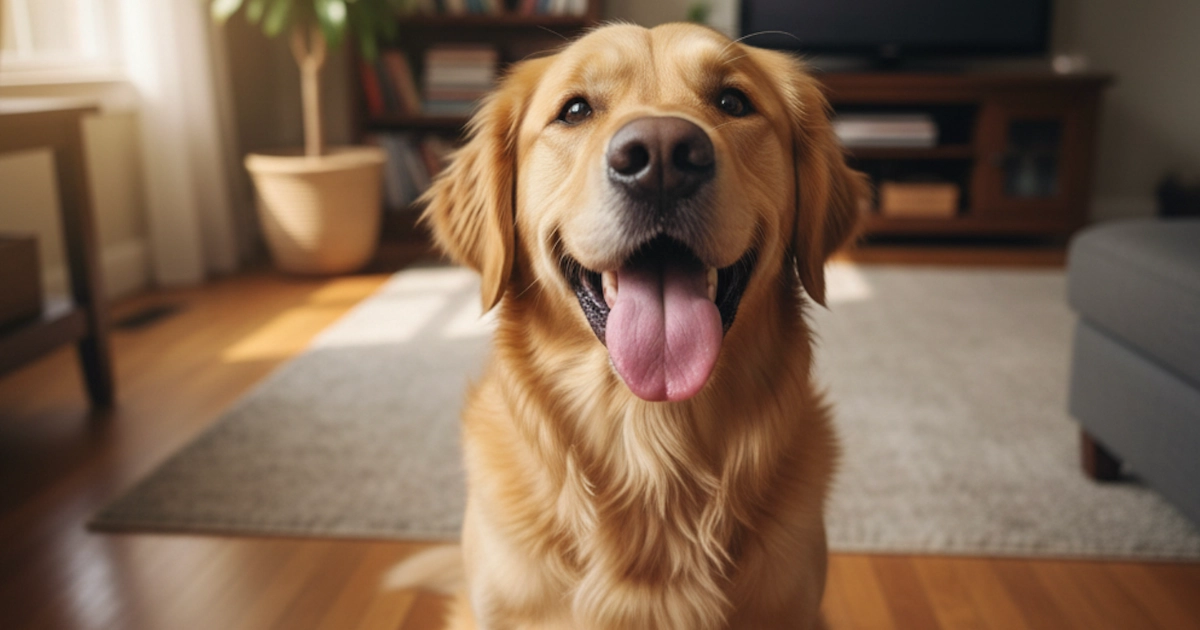
It’s a big contradiction of having a dog. You love your furry friend, even though their breath can be bad. Many people accept “dog breath” as usual, but constant bad breath can signal a health problem. This guide will help you understand the smells and tell normal breath from a warning sign.
The Weapon of Mass Affection
I create self-sustaining ecosystems and focus on the chemistry of my aquariums to keep them clean. I have a tropical rainforest setup for a chameleon in a glass box. My home is a haven of clean, controlled spaces.
Then there’s my dog’s breath. Vhagar’s breath is not an environment; it’s a biological weapon. It is a fragrant, soulful cocktail of regret, questionable floor snacks, and pure, unfiltered love. When your dog leans in for a slobbery kiss, it’s a moment that requires both emotional strength and a special kind of breath-holding bravery. That powerful, face-melting odor is what sent me on a quest to understand what really causes bad breath. This guide is the result of that quest.
Is Bad Breath Normal, or a Sign of a Problem?
A dog’s breath will naturally have a mild, “doggy” odor, which is perfectly normal. However, if the smell becomes overpoweringly foul, pungent, or suddenly changes in character, it’s time to play detective.
What is Periodontal Disease, and Is It Causing My Dog’s Bad Breath?
This is, without a doubt, the #1 cause of chronic bad breath in dogs. Over 80% of dogs over the age of three suffer from some stage of dental disease. It’s a progressive and painful condition.
- How it starts: It all begins with plaque, a sticky film of bacteria that forms on the teeth.
- The next stage: If not removed, this plaque hardens with minerals from saliva into tartar (or calculus), a hard, yellow-brown crust.
- Inflammation: This tartar buildup at and under the gumline causes inflammation, known as gingivitis. This is the first stage of dental disease, and you will notice red, swollen gums.
- The final stage: Left untreated, it progresses to periodontal disease, where the gums pull away from the teeth, creating pockets where more bacteria can thrive. This leads to infection, bone loss, abscesses, and eventually, tooth loss. The foul odor comes from this rampant bacterial infection.
Could My Dog’s Diet Be the Culprit?
Yes, what your dog eats can directly affect its breath. Some foods are just smellier than others. Diets that are high in fish-based products can lead to a particularly pungent “fishy” breath. Feeding a diet of only soft, wet food can contribute to faster plaque buildup, as there is no abrasive action to help scrape the teeth clean.
Could Something Be Stuck in My Dog’s Mouth?
This is an often-overlooked cause of sudden, severe bad breath.
The Cause: A piece of stick, a sliver of a chew toy, or another foreign object can become wedged between the teeth or in the roof of the mouth. As it sits there, it will begin to rot and cause a localized infection, leading to a foul odor.
What to Look For: If the bad breath appears suddenly and is accompanied by pawing at the mouth, difficulty eating, or drooling, carefully check inside their mouth for a foreign object.
When Can Bad Breath Signal a Serious Internal Disease?
In some cases, the smell of your dog’s breath can be a diagnostic clue for a serious systemic health problem.
A Sweet or Fruity Smell: If your dog’s breath has an unusual sweet, almost nail-polish-like odor, it can be a sign of diabetes.
A Smell of Ammonia or Urine: Breath that smells like ammonia or urine is a classic warning sign of kidney disease.
An Unusually Foul, Musty Smell: If the breath is exceptionally foul and is accompanied by vomiting, lack of appetite, and a yellowish tinge to the gums or eyes (jaundice), it can be a sign of a serious liver problem.
How Can I Treat My Dog’s Bad Breath at Home?
For bad breath caused by basic plaque, you can be proactive.
- Tooth Brushing: This is the gold standard of at-home dental care. You must use a dog-specific toothpaste (human toothpaste is toxic to dogs) and a soft-bristled brush.
- Dental Chews and Toys: Encouraging your dog to chew on safe, abrasive toys can help scrape away plaque. Look for products with the VOHC (Veterinary Oral Health Council) seal of approval.
- Water Additives and Food Toppers: There are several products designed to be added to your dog’s water or food that can help reduce the bacteria that cause plaque.
When Should I See a Veterinarian?
A vet visit is essential if you notice any of the following:
- The bad breath is persistent and foul, even with home care.
- You notice any of the “red flags” like a sweet or urine-like smell.
- Your dog has red, bleeding, or swollen gums.
- They are having difficulty chewing, are dropping food, or are pawing at their mouth.
Your vet can confirm the cause of the odor and, if it’s dental disease, recommend a professional cleaning under anesthesia—the only way to remove tartar from below the gumline and truly treat the problem.
Dogs Bad Breath FAQ
Dog bad breath most commonly results from periodontal disease, a progressive bacterial infection of the gums, teeth, and supporting bone. Other causes include diet, foreign mouth objects, and serious systemic conditions like diabetes, kidney failure, or liver disease. Each underlying cause produces a distinct and diagnostically useful odor profile.
A mild, faint odor from a dog’s breath is perfectly normal. Persistent foul odor, sudden changes in smell character, or sweet, ammonia-like, or musty odors are not normal and warrant veterinary investigation. Dog bad breath that worsens despite consistent home dental care always requires professional assessment.
Dog bad breath with a sweet or nail-polish-like odor is a recognized clinical warning sign of diabetes mellitus. An ammonia or urine-like smell indicates a serious kidney disease concern, as the body cannot filter waste products effectively. Either odor warrants an immediate veterinary appointment, as both conditions deteriorate rapidly without treatment.
Periodontal disease begins when plaque hardens into tartar, inflaming the gumline in a condition called gingivitis. Left untreated, the gums pull away from the teeth, creating infected pockets that cause bone loss and tooth loss. The rampant bacterial activity within these pockets is the direct source of the characteristic dog bad breath odor.
Dog bad breath from basic plaque buildup responds well to consistent tooth brushing using dog-specific toothpaste, as human toothpaste is toxic to dogs. VOHC-approved dental chews and abrasive toys help mechanically remove surface plaque between brushing sessions. Water additives formulated for oral bacteria reduction provide an additional layer of at-home management.
Dog bad breath requires urgent veterinary attention when persistently foul despite home care, or paired with a sweet, ammonia, or musty odor. Red or bleeding gums, difficulty chewing, food dropping, or mouth-pawing are additional emergency signals. These signs indicate conditions that progress irreversibly without professional diagnosis and treatment.
Yes, diet directly contributes to dog bad breath in two distinct ways. Fish-heavy diets produce particularly pungent secondary odors, while exclusive wet food diets accelerate plaque buildup by eliminating the abrasive scraping action of harder food textures. Adjusting dietary composition can meaningfully reduce breath odor in both cases.
Sources
- American Veterinary Dental College
https://avdc.org/animal-owner-resources/ - MSD Veterinary Manual
https://www.msdvetmanual.com/dog-owners/digestive-disorders-of-dogs/dental-disorders-of-dogs - Veterinary Oral Health Council
http://vohc.org/vohc_accepted_products.html - University of Illinois College of Veterinary Medicine
https://vetmed.illinois.edu/pet-health-columns/dog-dental-cleaning/
Leave a Reply
You must be logged in to post a comment.