
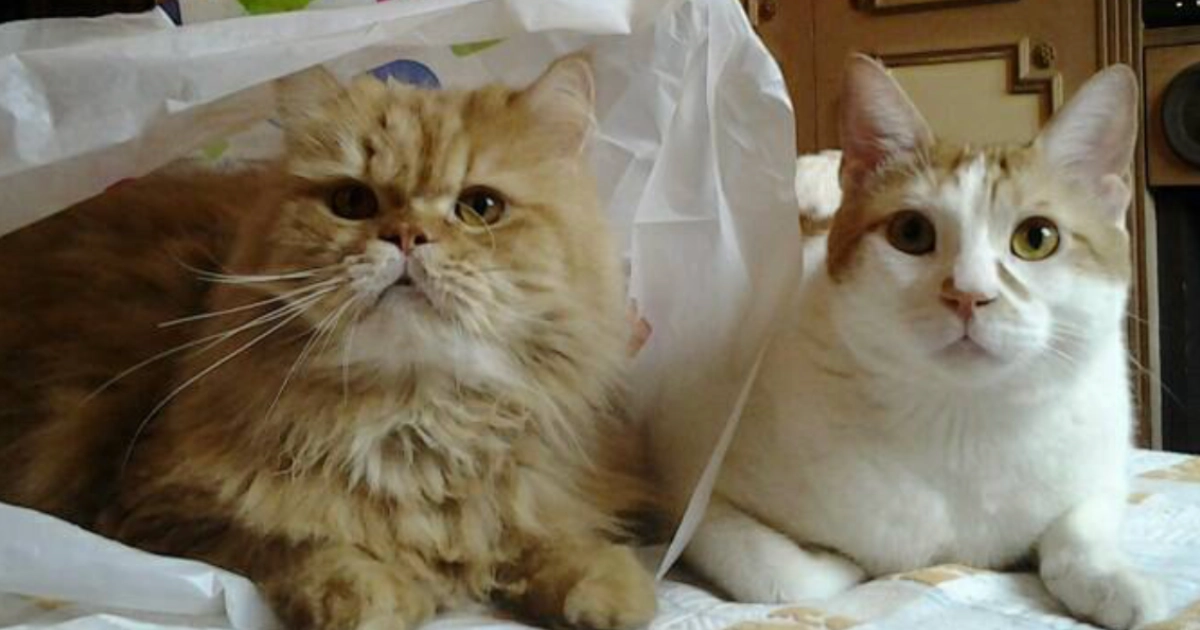
Every cat owner knows the feeling: the room is quiet, the house is still, yet you feel an inexplicable pressure. You turn your head, and suddenly, there they are: your cat, utterly motionless, locked in an intense, unblinking gaze. Admittedly,this silent scrutiny can be both unnerving and endearing. Is it a sign of affection, a plea for treats, or a territorial assessment of your right to occupy that spot on the couch? The intense feline stare holds many possible meanings, but ultimately, the key to unlocking their true intentions often lies in one specific, subtle gesture: the slow blink. Therefore,this guide will serve as your essential decoder, transforming your cat’s silent, powerful gaze into a language you can finally understand.
The Psychic Battle of Wills
I’ve learned to decipher the complex needs of animals that communicate in strange and subtle ways. My chameleon speaks in the vibrant language of color. My dog communicates through a dramatic series of sighs and snores. But my cats? They communicate through a silent, intense, soul-reading gaze.
It’s a psychic battle of wills that usually means they have determined, through careful observation, that the food bowl is precisely three-quarters empty and this is an unacceptable state of affairs. Their stare is a tool of magnificent, manipulative power. But then they’ll hit you with the slow blink, and you completely forget that you were just being Jedi mind-tricked into providing more snacks. It’s a beautifully complex relationship.
Why Does My Cat Stare at Me? Decoding the Unblinking Gaze
A cat’s stare is not a single message; it’s a multi-purpose tool. The meaning is all in the context and the accompanying body language.
Is it a sign of love and affection?
Yes, but it’s a specific type of stare. A loving gaze is often “soft,” where the cat’s eyes are slightly squinted and relaxed. Their body will be loose, their ears will be in a neutral position, and their tail will be calm or gently twitching at the tip. They are not tense; they are simply enjoying your presence and feel safe enough to watch you openly.
Is my cat trying to tell me something?
This is the most common reason for an intense, focused stare. Your cat is a master of communication and has learned that staring gets results. They are trying to convey a specific need:
- The Food Stare: The most powerful of all stares. It’s often directed at you, then at the empty food bowl or the cupboard where the food is kept, and then back at you. It is a laser beam of pure intention.
- The “Pet Me Now” Stare: An intense gaze that is often accompanied by a purr or a gentle head-butt. They are demanding affection.
- The “My Toy is Trapped” Stare: They will stare at you, then pointedly look at the location of their favorite mouse, which has tragically rolled under the sofa.
Is my cat just curious?
Absolutely. Cats are predators, and their brains are wired to be hyper-aware of their environment. When you are moving around the house, your cat may be staring intently to process your movements and predict what you’re going to do next. They are gathering data and satisfying their natural curiosity about the giant, noisy creature they live with.
When is staring a sign of aggression or fear? (The “Hard Stare”)
This is the crucial distinction to learn. A hard stare is a warning. The cat’s body will be tense and rigid. Their pupils will often be dilated, their ears may be pinned back, and the stare will be wide-eyed and unblinking. This is a sign of fear, territorial defensiveness, or a challenge. You will often see this when two unfamiliar cats meet. If your cat is giving you a hard stare, do not stare back. Break eye contact, give them space, and do not approach, as this can be seen as a challenge.
What is the “Slow Blink,” and Why is it So Important?
The slow blink is the ultimate sign of feline trust and affection. It is the answer to the ambiguous stare.
The Ultimate Compliment: In the animal kingdom, closing your eyes in the presence of another creature is the ultimate act of vulnerability. A slow, deliberate blink is your cat’s way of saying, “I trust you so much that I am willing to be completely defenseless in front of you.” It is widely known among behaviorists as a “cat kiss.”
A Calming Signal: Cats use the slow blink not only to show affection to you but also to communicate with other cats, signaling that they are not a threat and that their intentions are peaceful.
How Can I “Slow Blink” Back at My Cat?
You absolutely can, and should! This is one of the rare opportunities we have to speak to our cats in their own language.
- When you notice your cat is relaxed and looking at you, meet their gaze.
- Slowly and deliberately, close your own eyes for a few seconds.
- Open your eyes slowly.
- More often than not, the cat will return the slow blink, creating a wonderful, silent moment of mutual affection and understanding. This is a powerful bonding exercise.
So, while the intense stare can be a complex message of need or curiosity, the soft, gentle slow blink is a clear, unambiguous, and beautiful declaration: “You are my family, and I feel safe with you.”
Cats Eye Language FAQ
Cats stare for several distinct reasons: affection, need communication, environmental curiosity, and occasionally territorial aggression or fear. The meaning is not in the stare itself but in the accompanying body language, ear position, and tail behavior. Reading those contextual signals accurately is the only reliable way to interpret a cat’s gaze.
The cat slow blink is a deliberate signal of trust and peaceful intent, widely recognized by behaviorists as a feline kiss. Voluntarily closing the eyes near another creature is a profound act of vulnerability in animal social communication. A cat slow blinking at you is expressing unconditional safety and full social acceptance.
To return the cat slow blink, wait until your cat is relaxed and making eye contact with you. Slowly close your eyes for a few seconds, then reopen them just as deliberately. Most cats will return the slow blink, creating a brief but meaningful moment of interspecies communication.
Cat staring becomes an aggression signal only when paired with a rigid body, wide unblinking eyes, pinned ears, and a closed mouth. This pattern, called a hard stare, signals fear, territorial defensiveness, or a direct challenge. Never return a hard cat stare, as sustained direct eye contact functions as escalation in feline social communication.
Unblinking cat staring most commonly signals a deliberate attempt to prompt a specific human response, such as feeding or retrieving a trapped toy. Predatory instincts also drive sustained observation as cats track movement and predict behavior in their environment. Body language surrounding the stare clarifies whether the motivation is social, curious, or territorial.
A loving cat stare features soft, squinted eyes, a relaxed body, neutral ears, and a calm tail. An aggressive hard stare features wide unblinking eyes, a rigid body, pinned ears, and a firmly closed mouth. These two stare types are visually distinct and carry entirely opposite social meanings in feline communication.
Yes, the cat slow blink is a research-supported method of communicating trust and affection through direct eye contact. Cats use this signal with both humans and other cats as a calming, non-threatening communication tool. Humans who slow blink at unfamiliar cats measurably receive slow blinks in return more often than those who do not.
Sources
- International Cat Care
https://icatcare.org/advice/feline-communication-how-to-understand-your-cat/ - Scientific Reports (Nature)
https://www.nature.com/articles/s41598-020-73426-0 - Animal Cognition
https://link.springer.com/article/10.1007/s10071-004-0225-y - The Spruce Pets
https://www.thesprucepets.com/why-do-cats-stare-555543


Leave a Reply