

Top 10 Pet Dogs
Labrador Retriever
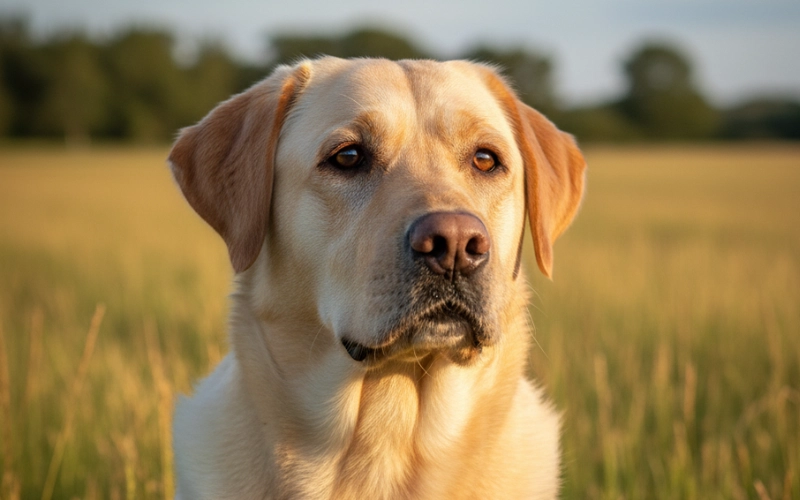
Labrador Retrievers are a happy-go-lucky classic. They are famously friendly, patient, and outgoing. Furthermore,their high intelligence and eagerness to please make them one of the easiest breeds to train.
Shifting focus from training to action. They have a thick, tapering tail, fondly referred to as the “otter tail.” It serves as a powerful rudder when they’re swimming. These little aquatic acrobats have places to be. Who needs a GPS when you’ve got that tail doing all the heavy lifting?
Golden Retriever
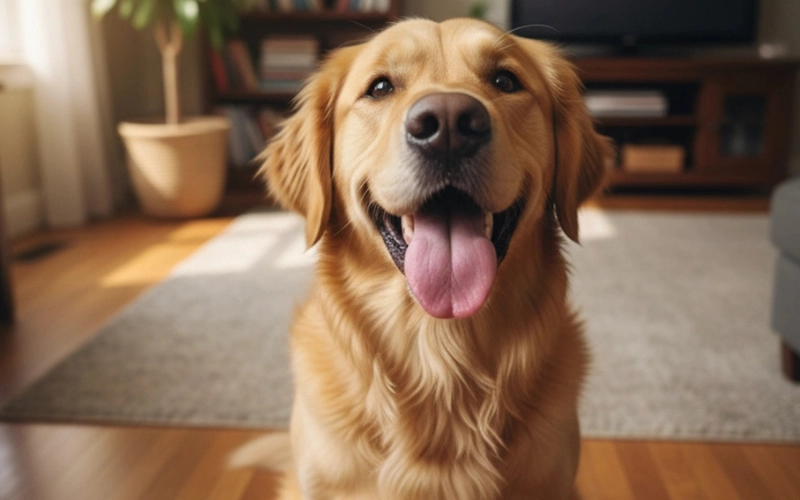
Goldens are the embodiment of devotion. They are incredibly patient, intelligent, and form strong, loving bonds with their families, especially children.
This gentle disposition is no accident. Their wonderfully “soft mouth” was specifically bred for retrieving waterfowl with care. This ensured that the birds remain undamaged. In fact, this delightful trait showcases the gentle and loving nature they have always been cherished for.
Cavalier King Charles Spaniel
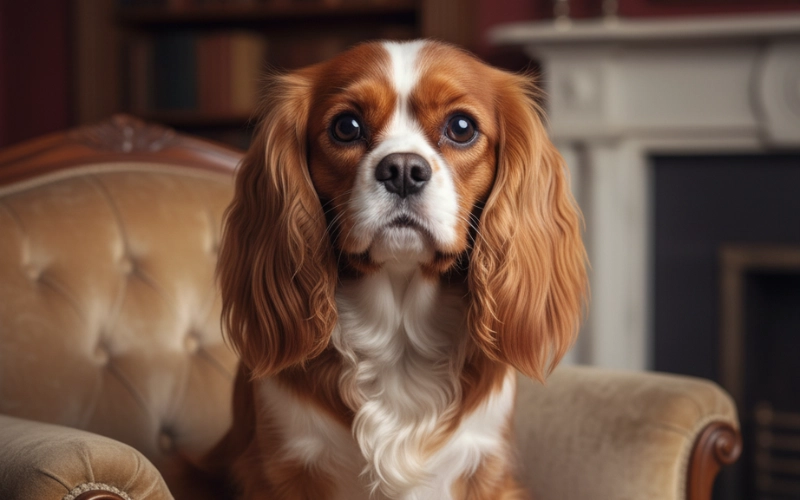
The ultimate lap dog, Cavaliers are sweet, gentle, and thrive on being part of a family. Furthermore, their small size and moderate energy needs make them great for apartment living. Consequently, these combined traits make them one of the most popular companion breeds today.
In fact, historically, they were favorites of royalty for centuries. Their primary “job” was to be a warm, comforting companion. Consequently, this background perfectly explains their devoted nature today.
Poodle (Standard or Miniature)
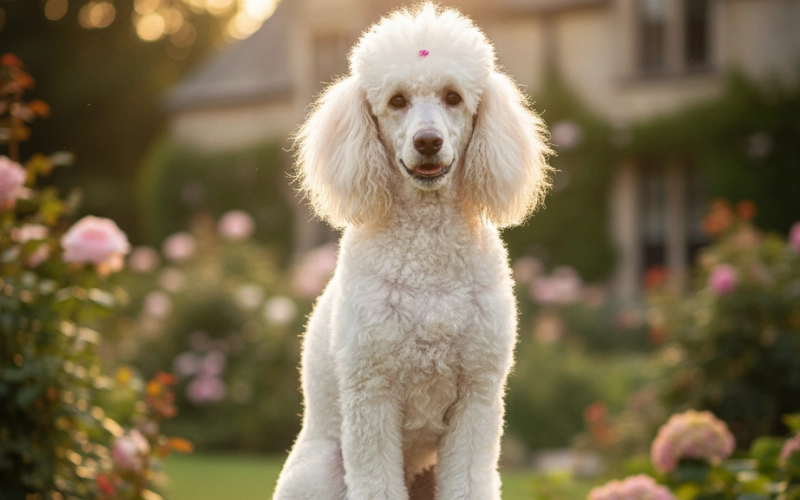
Don’t let the fancy haircut fool you—Poodles are brilliant. They are one of the most intelligent dog breeds, making them incredibly trainable. Additionally, they are hypoallergenic, shedding very little.
To add a historical twist, their elaborate show haircut is a relic. It originates from their original job as water retrievers in Germany. The puffs of hair were left over joints and vital organs. This protected them from the cold water. Ironically, this practical past gave rise to their fashionable present.
Bichon Frise
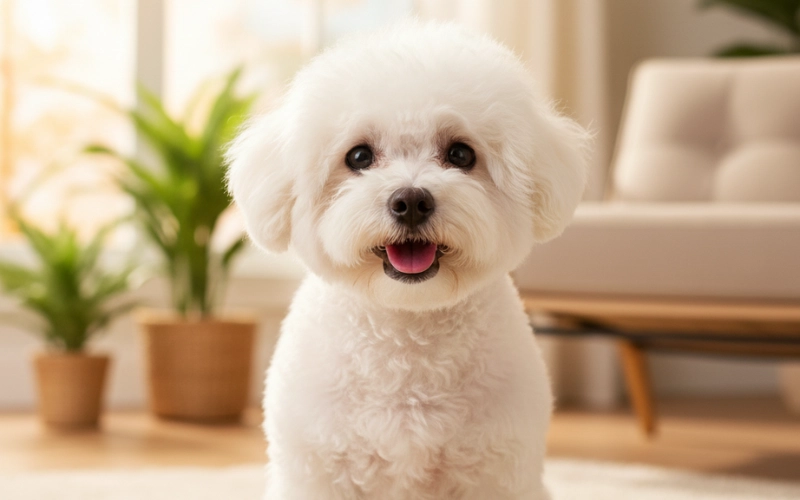
A cheerful, playful, and charming companion. While Bichons are small and hypoallergenic, they also have a sturdy build and a confident personality.
Fittingly, the name “Bichon Frise” is French for “curly lap dog.” This name perfectly sums up their favored role as a companion.
Beagle

Beagles are merry, curious, and famously friendly. They were bred to hunt in packs, consequently, they have a sociable nature and generally get along well with other dogs and people. Therefore, they make excellent family companions.
Interestingly, their long, soft ears are not just for looks; they help to catch and sweep scent particles up towards their incredibly powerful nose.
Boxer
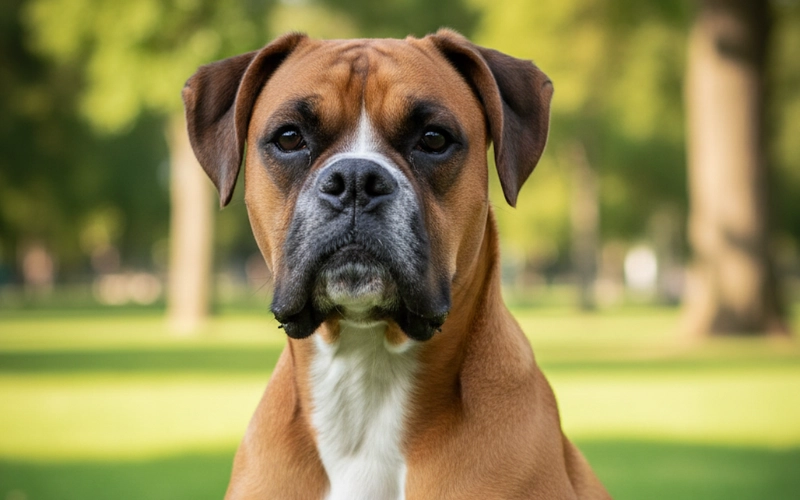
Boxers are the playful clowns of the dog world. They are energetic, loving, and fiercely loyal to their families. Despite their strong appearance, they are gentle and patient with children.
In fact, the breed’s name is happily inspired by their delightful habit of standing on their hind legs and “boxing” with their front paws while playing. This lovely history beautifully showcases their spirited and playful nature.
Greyhound
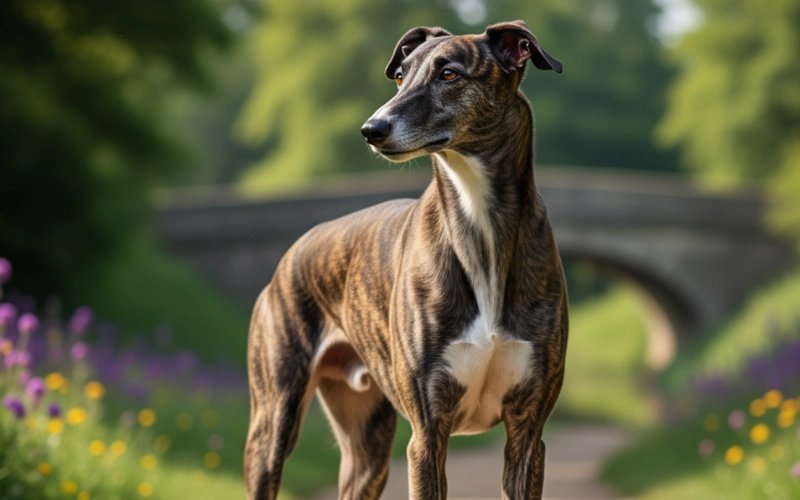
This is the most surprising entry for many. While they are world-class sprinters, retired racing Greyhounds are famously gentle, low-energy “couch potatoes” that require surprisingly little exercise.
However, a Greyhound’s heart is larger than that of any other breed, which is part of what allows for their incredible bursts of speed.
Pug
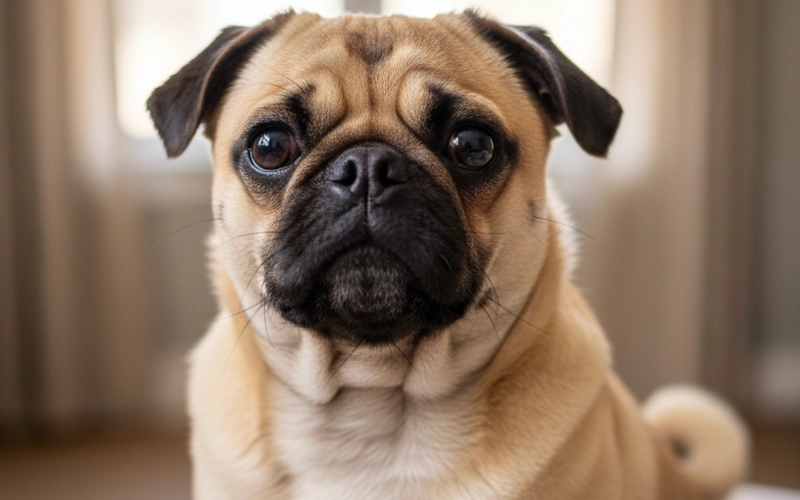
With their wrinkled faces and big, soulful eyes, Pugs are bred for one purpose: to be a companion. As such, they are charming, mischievous, and thrive on being close to their people. This devotion to companionship means they are happiest when they are right in the middle of family life.
In fact, their huge personality in a small body is perfectly summed up by their motto: multum in parvo, which is Latin for “a lot in a little.”
German Shepherd
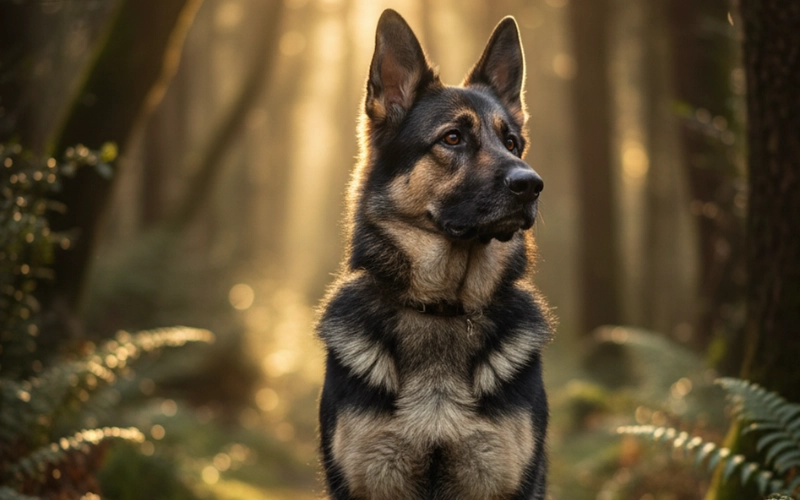
GSDs are exceptionally intelligent, loyal, and trainable. They form an unshakable bond with their family.
However, their intelligence requires a job; they need consistent training and mental stimulation to prevent boredom and anxiety.
How Do I Care for My Dog? The Core Principles
How should I treat my dog?
Embrace your dog as a beloved member of your family, celebrating their unique needs. These wonderful creatures experience joy, fear, and stress just like us, which makes your bond even more special. With patience, positive reinforcement, and a genuine respect for their instincts, you can create a strong foundation that ensures they feel understood, cherished, and full of happiness.
Why does my dog see me as family?
Dogs are pack animals. Their very DNA is wired for social connection. Modern behaviorism has moved away from “Alpha/Pack” terminology. Domestic dogs view humans as social companions/family rather than a hierarchy-driven wolf pack. They look to you for security and resources (cooperative care) rather than “dominance-based” leadership.
What should I feed my dog?
Beyond treating them well, you must also provide a high-quality, balanced commercial dog food appropriate for their age, size, and activity level. Avoid foods with cheap fillers like corn and by-products.
How much exercise do they need?
In addition to diet, their need for exercise varies wildly by breed, but all dogs need daily walks for both physical exercise and mental stimulation. A tired dog is a happy, well-behaved dog.
Decoding Dog Behavior: Frequently Asked Questions
Why do dogs sleep so much?
On average, dogs sleep 12-14 hours a day! This high amount is a natural way to conserve energy.
Why do dogs eat grass?
While there’s no single answer, theories suggest it can help soothe an upset stomach, add fiber to their diet, or simply because they enjoy the taste.
How long are dogs pregnant?
Regarding reproduction, the gestation period for a dog is about 63 days, or nine weeks.
Why does my dog bring me dead animals (or toys)?
This action is rooted in a powerful instinct. Specifically, they are bringing a valuable “kill” back to their pack leader (you!) or to the safety of the den. Ultimately, it’s a sign of affection and respect.
Why does my dog stare at me?
Finally, in terms of direct communication, this is a primary form of bonding. Specifically, they are “reading” your face and body language. Moreover, when paired with a soft body and wagging tail, it’s a sign of pure affection, which releases oxytocin (the “love hormone”) in both of you.
Sources
- American Kennel Club (AKC)
https://www.akc.org/dog-breeds/labrador-retriever/ - Greyhound Health Initiative
https://www.greyhoundhealthinitiative.org/ - MSD Veterinary Manual
https://www.msdvetmanual.com/dog-owners/routine-care-and-breeding-of-dogs/routine-health-care-of-dogs - The Spruce Pets
https://www.thesprucepets.com/golden-retriever-dog-breed-profile-1117969


Leave a Reply