
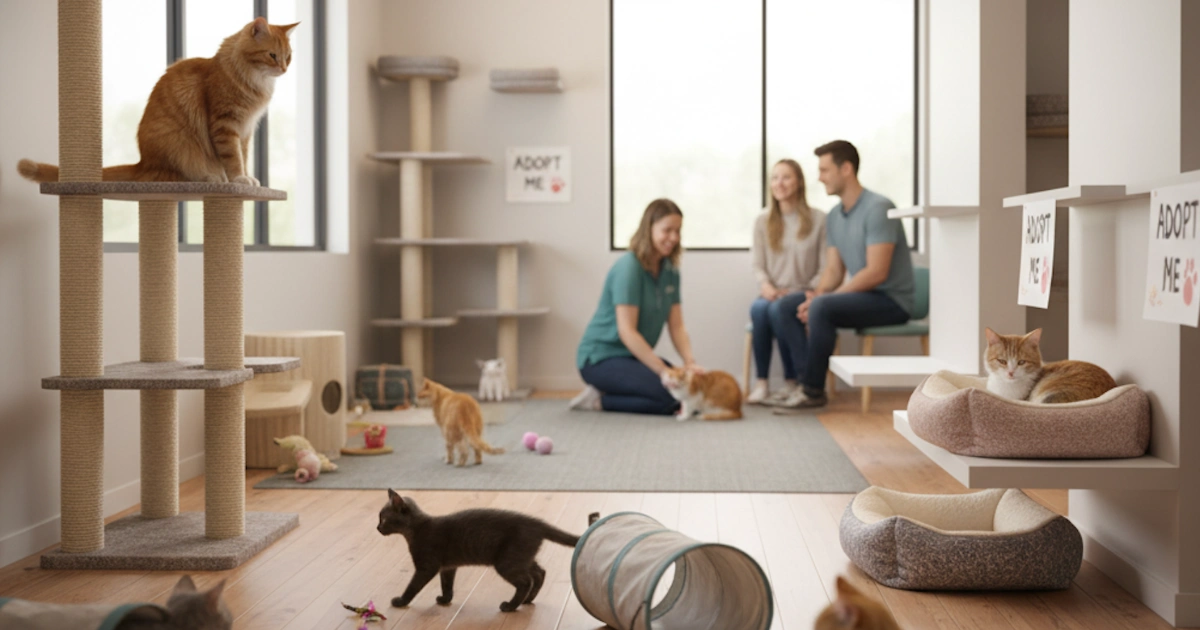
There’s a saying in the animal world: “You choose a dog, but a cat chooses you.” Indeed, the decision to bring one into your life is a magical one, often sparked by the sight of a tiny, purring kitten or the soulful gaze of a majestic shelter cat. However, this isn’t just an emotional decision; rather, it’s a job interview where you are the applicant. You are, in effect,auditioning for the role of head-servant, can-opener-in-chief, and provider of warm laps. Therefore, asking the right questions—of the shelter, and even more importantly, of yourself—is the only way to ensure you pass the interview and begin a beautiful, lifelong partnership. This guide, consequently, is your cheat sheet.
Part 1: The Questions to Ask the Shelter or Rescue
It tells you almost everything that matters. A cat’s history shapes its behavior, medical needs, and social temperament. Skipping this step is like hiring someone without reading their résumé. Shelter staff observe these animals daily. They notice behavioral patterns that a single visit will never reveal. Use that knowledge. Ask everything.
1. What is This Cat’s History?
Why does a cat’s origin story matter before cat adoption?
Key Questions: Where did this cat come from? Was it a stray? Was it surrendered from a previous home? If so, do you know the reason? Was it born inside the shelter itself?
Why it Matters: A cat’s origin story reveals behavioral triggers you would otherwise discover the hard way. A cat surrendered for “litter box issues” may have an undiagnosed urinary condition. Alternatively, it may carry a stress response linked to a specific environment. These are solvable problems. However, you need to know about them upfront. A cat born and raised entirely inside a shelter faces a different challenge. It has never experienced a home environment. Hence, it needs considerably more time to decompress and adjust after adoption. On the other hand, a cat that previously lived in a house adapts significantly faster. Ask shelter staff directly how long the cat has been in their care. A longer stay can indicate shyness, medical complexity, or behavioral nuance. That does not make the cat a poor choice. It simply means your expectations need to be realistic from the start.
2. What is Their True Personality? (Kitten vs. Adult)w
Does a kitten’s current personality reliably predict its adult temperament during cat adoption?
Key Questions: Is this cat a classic lap cat or a proudly independent ‘cat’s cat’? Is it high-energy and playful, or calm and content as a couch companion? Is it confident around strangers, or shy and reserved in unfamiliar situations?
The Adult Advantage: With an adult cat, the personality is essentially established. The shy one sitting quietly in the back of its enclosure will almost certainly remain a gentle, low-key companion at home. What you observe is genuinely what you get. This is a meaningful advantage for experienced adopters who know exactly what their household can accommodate. Furthermore, adult cats are frequently overlooked in shelters because kittens attract more attention. Therefore, adopting an adult is both a practical and compassionate decision.
The Kitten Mystery: A kitten, by contrast, is a genuinely adorable mystery box. Its playful, bold, or cuddly behavior at eight weeks old says very little about its adult personality. Genetics play a role, certainly. So does early socialization, environment, and individual development over time. Consequently, choosing a kitten based entirely on its current temperament is speculative at best. Ask the shelter whether the kitten’s parents are known. A calm, well-socialized mother often produces calmer offspring — though this is a data point, not a guarantee. Additionally, ask whether the kitten received consistent positive handling from humans since birth. Early socialization is one of the strongest predictors of a well-adjusted adult cat.
3. How Are They With Other People and Animals?
What should you ask a shelter about a cat’s social history before cat adoption?
Key Questions: How does this cat react to strangers? Has it been around children, and if so, what age range? Has it lived with other cats before? Has it ever shared space with a dog?
Why it Matters: Social history is critical, particularly in a multi-pet or multi-child household. A cat that has spent years as the only pet often struggles when suddenly required to share its territory. It is not necessarily aggressive. It is, in fact, simply overwhelmed. However, a cat raised alongside other animals typically adjusts more smoothly to a shared environment. If you have a dog at home, this question is non-negotiable. A cat with no prior dog exposure may respond with chronic stress, persistent hiding, or reactive behavior. Conversely, some shelter cats have lived comfortably alongside large dogs and find them completely unremarkable. Ask staff to describe the cat’s specific reactions during any shared time with other animals. If you have young children, ask whether the cat has shown tolerance around them. Some cats find the noise and unpredictability of small children genuinely distressing. Others are completely unbothered. Matching social compatibility upfront prevents unnecessary stress for every member of the household.
4. What is Their Medical History?
What medical information should you confirm before completing a cat adoption?
Key Questions: Is this cat spayed or neutered? Is it current on vaccinations? Has it been tested for FIV (Feline Immunodeficiency Virus) and FeLV (Feline Leukemia Virus)? Is it on any medications or following a specific dietary protocol?
Why it Matters: FIV and FeLV testing is not optional. Both viruses are transmissible between cats, and both require lifelong management once diagnosed. A responsible shelter tests every cat before placing it up for adoption. If a shelter cannot provide written proof of testing, treat that as a serious red flag and walk away accordingly. Beyond infectious disease, ask about any chronic conditions. Dental disease, for instance, is extremely common in adult cats and routinely goes unaddressed in shelter populations. Kidney disease is another frequent issue in older cats. Knowing about these conditions in advance prepares you both financially and practically. Furthermore, ask whether the cat is microchipped. Most responsible shelters microchip before adoption. If not, plan to do it yourself — it is inexpensive and essential for identification if the cat ever escapes. Always request a full written medical record at the point of adoption. Your veterinarian will need this documentation at the first appointment.
5. Are There Any Known Behavioral Issues?
Why is asking about behavioral problems essential before cat adoption?
Key Questions: Does this cat have a history of litter box avoidance? Has it shown a tendency to scratch furniture rather than appropriate surfaces? Is it known to be a ‘door-dasher’?
Why it Matters: Litter box avoidance and furniture destruction are the two most common reasons cats are surrendered to shelters. Knowing about these issues in advance is not necessarily a reason to walk away. It is, however, a reason to walk in fully prepared. Litter box problems frequently have straightforward causes — the wrong litter type, a covered box, or a box placed in a noisy, high-traffic location. All of these are fixable. Ask the shelter what litter type and box style the cat currently uses. Replicating that setup at home reduces transition stress significantly. Scratching behavior is equally manageable with the right environmental setup. A cat scratching the sofa is not a broken animal. It is simply a cat that has not been provided with a sufficient scratching alternative. Door-dashing is a separate safety concern. Some cats will bolt for any open door with impressive speed and determination. Knowing this allows you to put preventive measures in place before the cat arrives.

Part 2: The Questions to Ask Yourself (The Hardest Part)
Why are the questions you ask yourself equally important in cat adoption?
Because a mismatch between your lifestyle and the cat’s needs causes genuine suffering. For the cat, this can lead to anxiety, behavioral deterioration, and eventual re-surrender. For you, it leads to frustration and guilt. Honest self-assessment is not pessimism. It is the foundation of responsible ownership. The questions below are harder than anything the shelter will ask you. Answer them truthfully.
1. Am I Truly Ready for the Financial Commitment?
What are the real financial costs of cat adoption across a lifetime?
The Checklist: A cat can live for 15 to 20 years. This is a long-term financial obligation, not a short-term purchase. Consider the baseline costs first. High-quality food, premium litter, and routine veterinary care add up consistently over two decades. Annual wellness check-ups are non-negotiable. Dental cleanings, frequently overlooked by new owners, can cost several hundred dollars per session. However, the baseline costs are manageable with advance planning. The genuine financial risk is the unexpected emergency. A urinary blockage, a fractured bone, or an intestinal obstruction requiring surgery can easily cost thousands. Indeed, a cat that swallows a piece of string — a shockingly common occurrence — can face life-threatening surgery without warning. Pet insurance is a practical tool for managing this specific risk. Research available plans before adoption, not after a medical event occurs. Additionally, factor in parasite prevention, boarding costs during travel, and potential behavioral consultations. None of these are optional luxuries. They are components of responsible ownership. If the financial reality is not workable right now, that is a completely valid conclusion. Waiting until you are financially stable is not a failure. It is the right decision for the animal.
2. What Kind of Relationship Am I Looking For?
How does matching your expectations to a cat’s personality affect cat adoption success?
The Reality Check: People adopt cats with very different emotional expectations. Some want a warm, constant companion — a cat that follows them from room to room and insists on lap time throughout the evening. This is commonly called a ‘velcro cat.’ Breeds like Ragdolls, Birmans, and Scottish Folds tend toward this personality type. However, others want something entirely different. They want a low-maintenance, self-sufficient companion that acknowledges their existence once or twice a day and considers that arrangement perfectly adequate. Both preferences are valid. The problem arises when someone expecting regular affection ends up with an aloof, independent cat — or vice versa. A highly social cat placed with someone rarely home will develop anxiety and behavioral issues. Conversely, an independent cat placed with someone who constantly seeks physical contact will simply become stressed and withdrawn. Shelter staff can match you to the right personality type if you are honest about your expectations. Tell them exactly what you are looking for. Do not romanticize the situation. The goal is a genuinely good match — not a good story to tell at dinner parties.
3. Is My Home “Cat-Friendly”?
What does a truly cat-safe home look like before cat adoption?
The Checklist: Cat-proofing goes significantly further than most new adopters anticipate. Start with houseplants. Lilies — including Easter lilies, tiger lilies, and daylilies — are acutely toxic to cats and cause rapid, severe kidney failure. Remove them completely before the cat arrives. Other common toxic plants include pothos, philodendron, and sago palm. Next, assess your windows. Unsecured or unscreened windows are a leading cause of serious injury in cats. Falls from height — often called ‘high-rise syndrome’ — are a documented veterinary emergency. Install secure screens on every window you intend to open. Vertical space is another critical consideration. Cats are instinctive climbers. A home with no elevated surfaces forces them into a ground-level existence that fundamentally contradicts their natural behavior. Cat trees, wall-mounted shelves, and safe access to high furniture all serve a genuine enrichment function. Additionally, evaluate your household chemicals. Cleaning products containing bleach or phenols are hazardous to cats. Store them securely and out of reach. Finally, decide now whether this will be an indoor-only cat. The evidence strongly supports indoor-only living for longer, healthier lives. Outdoor access significantly increases exposure to infectious disease, predators, and traffic. Make this decision before adoption, not after the cat has already established outdoor habits.
4. Do I Have the Time for a Cat?
How much daily time does responsible cat ownership actually require?
The Time Budget: Cats carry a reputation for independence. That reputation is partially deserved and significantly overstated. A cat left without adequate stimulation, interaction, and play will become bored over time. A bored cat is frequently a destructive cat. Scratched furniture, knocked-over items, and midnight chaos are all symptoms of chronic under-stimulation. Plan for a minimum of 15 to 20 minutes of dedicated interactive play per day. This means feather wands, puzzle feeders, and active engagement — not simply placing a toy on the floor and hoping the cat figures it out independently. Long-haired breeds like Persians, Maine Coons, and Ragdolls require daily brushing without exception. Neglecting grooming in these breeds leads to painful matting that often requires veterinary intervention. Short-haired cats need significantly less coat maintenance but still benefit from regular brushing to reduce hairball formation. Litter box maintenance is also a daily task. A dirty litter box is the fastest route to litter box avoidance behavior. Scoop daily, deep-clean at least weekly, and replace litter completely on a regular schedule. If your lifestyle involves frequent travel or consistently long working hours, consider whether a second cat would provide adequate companionship. Two cats can entertain each other effectively. However, this arrangement doubles the cost and the daily responsibility.
Part 3: Questions for the Shelter About Their Process
What do a shelter’s own policies reveal about the quality of a cat adoption?
A responsible shelter does not simply hand over an animal and wave goodbye. Its processes directly reflect how seriously it takes animal welfare. A shelter that asks you nothing, verifies nothing, and provides no post-adoption support is operating without accountability. Pay close attention to how the shelter treats the adoption process. It tells you a great deal about how they treat the animals in their care.

What is Your Adoption Process and Return Policy?
What should a responsible cat adoption process include from the shelter’s side?
A Good Sign: A thorough adoption process is a protective measure, not an obstacle. A responsible rescue conducts an application review, a conversation about your lifestyle and home environment, and sometimes a reference check or home visit. This rigor exists to protect the animal from unsuitable placements. If a shelter processes your adoption in five minutes with no questions asked, that is not efficiency. It is a red flag. Shelters that invest time in proper matching produce far better long-term outcomes for both animals and adopters.
The Safety Net: The return policy is the most important document you will receive from a shelter. It should state clearly that if you are ever unable to keep the cat — for any reason — the animal must be returned directly to the shelter. No exceptions. This policy exists to ensure the cat never ends up abandoned, informally rehomed, or sold. A shelter without this clause has no mechanism to track the lifelong welfare of the animals it places. Additionally, ask whether the shelter offers post-adoption support. Some rescues provide behavioral guidance, veterinary referrals, and follow-up check-ins. This support can be genuinely valuable, especially for first-time adopters navigating the adjustment period with a new and uncertain animal.
Cat Adoption FAQ
Ask about the cat’s origin, medical history, FIV and FeLV test results, vaccination status, behavioral patterns, and prior experience with other animals or children. Shelter staff observe these animals daily and can describe personality traits that one brief visit will never reveal. This information directly determines whether the match suits your specific household.
Cat adoption can work well in family households if the cat has a documented history of positive interaction with children. Cats that are fearful, under-socialized, or highly reactive to noise and sudden movement are poor matches for young children. Always ask the shelter specifically about the cat’s observed behavior around children before making a final decision.
Cat ownership spans 15 to 20 years and includes recurring costs such as food, litter, routine veterinary care, dental cleanings, vaccinations, and parasite prevention. Emergency veterinary costs — including surgery for urinary blockages or intestinal obstructions — can reach several thousand dollars without warning. Purchasing pet insurance before a medical event occurs significantly reduces the financial risk.
Lilies — including Easter lilies, tiger lilies, and daylilies — are acutely toxic to cats and cause rapid, severe kidney failure even after minor exposure. Ingesting even small amounts of pollen groomed from the fur can prove lethal. Remove all lily species from the home entirely before bringing a cat inside.
Adult cats offer a clear, observable personality, which makes matching their temperament to your lifestyle considerably more straightforward. Kittens are unpredictable — their current behavior does not reliably predict adult temperament. Adult cats are also frequently overlooked in shelters, meaning cat adoption gives them a meaningful second chance that younger cats receive far more easily.
A responsible return policy requires that the adopter return the cat directly to the shelter if they can no longer keep it, under any circumstances whatsoever. This prevents the animal from being abandoned, sold, or informally rehomed without oversight. Shelters without a mandatory return clause have no mechanism to safeguard the cat’s long-term welfare after placement.
A cat-ready home has no toxic plants — particularly lilies — secured window screens on every openable window, dedicated scratching surfaces, vertical climbing space, and safely stored household chemicals. Committing to indoor-only living before cat adoption significantly reduces the animal’s exposure to disease, predators, and traffic. Walk through every room from the cat’s perspective before it arrives.
Sources
- Cornell Feline Health Center
https://www.vet.cornell.edu/departments-centers-and-institutes/cornell-feline-health-center/health-information/feline-health-topics/feline-leukemia-virus - FDA
https://www.fda.gov/animal-veterinary/animal-health-literacy/lovely-lilies-and-curious-cats-dangerous-combination - The Spruce Pets
https://www.thesprucepets.com/why-cats-scratch-furniture-555135 - International Cat Care
https://icatcare.org/advice/choosing-an-adult-cat/ - MSD Veterinary Manual
https://www.msdvetmanual.com/cat-owners/behavior-problems-of-cats/behavior-problems-of-cats
Leave a Reply
You must be logged in to post a comment.