
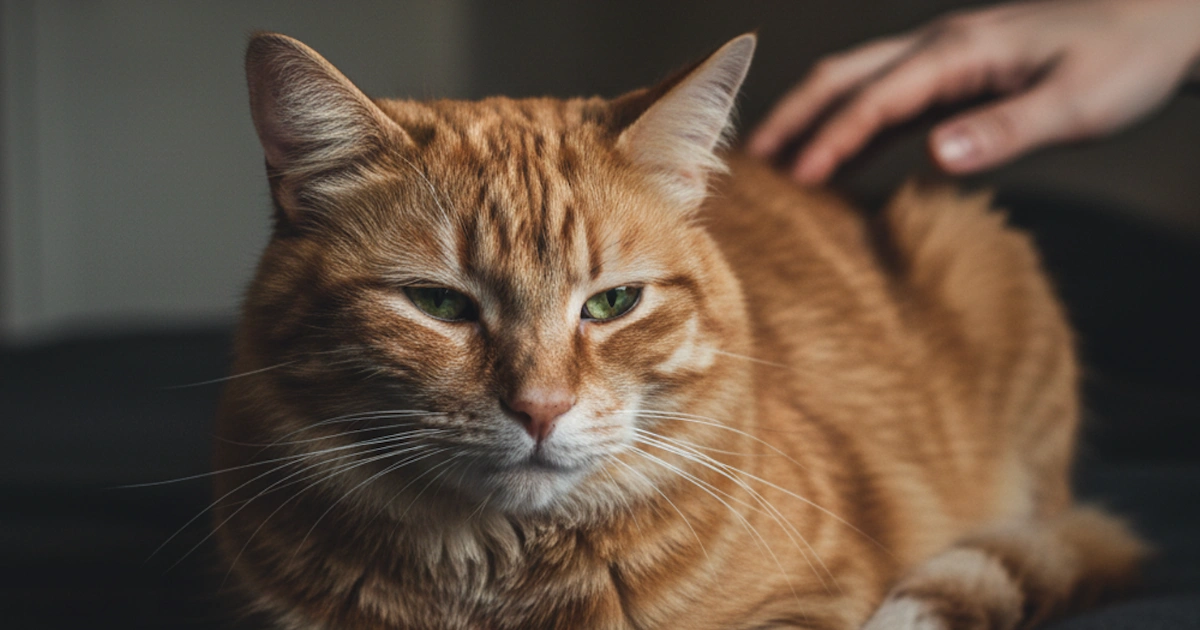
It is the single greatest challenge of cat ownership, to know when your cat is sick. Our cats are masters of disguise, tiny, stoic predators who are genetically programmed to hide any sign of pain or weakness. This ancient survival instinct is a marvel of evolution, but in our modern homes, it can be a heartbreaking tragedy. By the time a cat looks sick, it is often very sick. This means that as their keepers, we must become master detectives, learning to spot the subtle, almost invisible, clues they give us. This guide is your complete diagnostic checklist, designed to help you become fluent in the silent language of feline illness.
The Secret Agent vs. The Drama King
My cats, are tiny, furry secret agents. They operate with a level of stoicism that would make a spy proud. A cat will not tell you it’s sick and will not complain. A cat will simply… stop. It will stop grooming that one hard-to-reach spot. It will stop jumping on its favorite perch. The signs are so subtle, they are almost a whisper. It’s a constant, nerve-wracking reminder that our most important job as cat owners is to be a professional spy, constantly on the lookout for the tiniest clue. This guide is your spy toolkit.
1. What Should I Look for in the Litter Box that indicates my cat is sick?
The litter box is the most important window to know if your cat is sick. Any change, no matter how small, is a significant clue.
Urinating Outside the Box: This is not your cat being “bad” or “spiteful.” This is a massive, screaming red flag for a medical emergency. It is the #1 sign of a painful Urinary Tract Infection (UTI) or, far more dangerously in male cats, a potentially fatal urinary blockage.
Straining or Crying in the Box: If you see your cat making frequent, unproductive trips to the litter box or crying out while trying to go, this is a veterinary emergency.
Changes in Frequency: A sudden increase in urination can be a key symptom of kidney disease or diabetes.
Changes in Stool: Diarrhea that lasts more than a day or hard, dry stools that indicate constipation both warrant a call to the vet.
2. Are My Cat’s Eating and Drinking Habits a sign of being sick?
Loss of Appetite: This is one of a cat’s most common signs of illness. A cat that has refused food for more than 24 hours is at risk for a serious condition called hepatic lipidosis (fatty liver disease) and must see a vet.
Increased Appetite: This can be a surprising symptom. A sudden, ravenous appetite, especially in an older cat that is also losing weight, is a classic sign of hyperthyroidism.
Increased Thirst: A cat that is suddenly spending a lot of time at the water bowl may be showing signs of diabetes or chronic kidney disease.
3. Has My Cat’s Behavior or Energy Level Changed?
You know your cat’s normal routine better than anyone. Any deviation is a potential clue.
Hiding or Withdrawal: A normally social cat that is now hiding under the bed or in a closet is a very common sign of not feeling well or sick.
Lethargy: Sleeping more than usual (and for a cat, that’s a lot!) or a general lack of interest in playing or interacting is a major sign that something is wrong.
Sudden Aggression or Irritability: A sweet-natured cat that suddenly hisses or swats when you try to pet it is not being mean; it is likely in pain and is trying to protect a sore spot.
Changes in Mobility: Are they no longer jumping up onto their favorite cat tree or the bed? This is a huge, often-missed sign of pain from arthritis in their joints.
4. Why Has My Cat Stopped Grooming (Or is Over-Grooming)?
A cat’s coat is a direct reflection of its health.
A Lack of Grooming: This is a major red flag. If your cat’s fur starts to look greasy, matted, or unkempt, it often means it is in too much pain (from arthritis or a dental issue) or is too unwell to perform its normal grooming rituals.
Over-Grooming: Conversely, a cat that is obsessively licking one spot, sometimes to the point of creating bald patches, is often trying to soothe a source of pain or an itchy skin condition from allergies.
5. What Physical and Vocal Symptoms mean that my cat is sick?
Vomiting or Diarrhea: While a single episode can be normal, repeated vomiting or diarrhea warrants a vet visit.
Weight Loss: Any unexplained weight loss is a serious sign that requires veterinary attention.
Eye and Nose Discharge: Goopy, colored discharge from the eyes or nose is a sign of an upper respiratory infection.
Is my cat’s meow different? A change in vocalization, such as a normally quiet cat that is now howling, or a meow that sounds hoarse or pained, can be a clear sign of distress.
My Cat is Showing Symptoms of being sick. What Should I Do Now?
Observe and Document: Take note of the specific symptoms.
Do NOT Medicate at Home: Never give your sick cat human medications. Common painkillers like Tylenol are extremely toxic and can be fatal.
Call Your Veterinarian: The signs above are your cat’s way of asking for help. Your vet is the only person who can provide a proper diagnosis and treatment plan.
Sick Cat Symptoms FAQ
A cat urinating outside the litter box is not a behavioral problem — it is a medical red flag requiring immediate veterinary attention. The most common causes are a painful Urinary Tract Infection or, in male cats, a urinary blockage that can be fatal within hours. This symptom must never be dismissed as spite.
A cat that refuses food for more than 24 hours is at risk of hepatic lipidosis — a condition where the liver processes fat reserves in a way that causes progressive and potentially fatal liver failure. Overweight cats develop this faster. Any cat that has not eaten for a full day requires same-day veterinary evaluation.
Sudden aggression in a normally gentle cat is almost always a pain response, not a personality problem. When a cat hisses or swats at touch near a specific location, that area hurts and contact feels threatening. Treating this as a discipline issue without investigating the medical cause can delay a critical diagnosis.
A cat that stops grooming — producing matted or unkempt fur — is typically in too much pain or too unwell to perform normal self-care. Over-grooming of a single spot, sometimes producing bald patches, signals an attempt to soothe localized pain, a skin allergy, or a parasitic issue. Both extremes warrant veterinary investigation.
A cat that suddenly spends significantly more time at the water bowl is displaying a classic symptom of two serious conditions — diabetes and chronic kidney disease. Both cause increased water consumption as the body attempts to compensate for altered fluid regulation. Any observable increase in thirst must be reported to a veterinarian promptly.
Human pain medications must never be given to a cat under any circumstances. Acetaminophen — Tylenol — is extremely toxic to cats and fatal in small doses. Any cat showing signs of pain or illness must be evaluated by a veterinarian, who can safely prescribe feline pain management and identify the underlying cause.
Sources
- American Veterinary Medical Association
https://www.avma.org/resources-tools/pet-owners/pet-care/feline-lower-urinary-tract-disease - Cornell Feline Health Center
https://www.vet.cornell.edu/departments-centers-and-institutes/cornell-feline-health-center/health-information/feline-health-topics/feline-hepatic-lipidosis-fatty-liver-disease - International Cat Care
https://icatcare.org/advice/arthritis-and-degenerative-joint-disease-in-cats/ - VCA Animal Hospitals
https://vcahospitals.com/know-your-pet/how-do-i-know-if-my-cat-is-in-pain - Pet Poison Helpline
https://www.petpoisonhelpline.com/poison/acetaminophen/
Leave a Reply
You must be logged in to post a comment.