
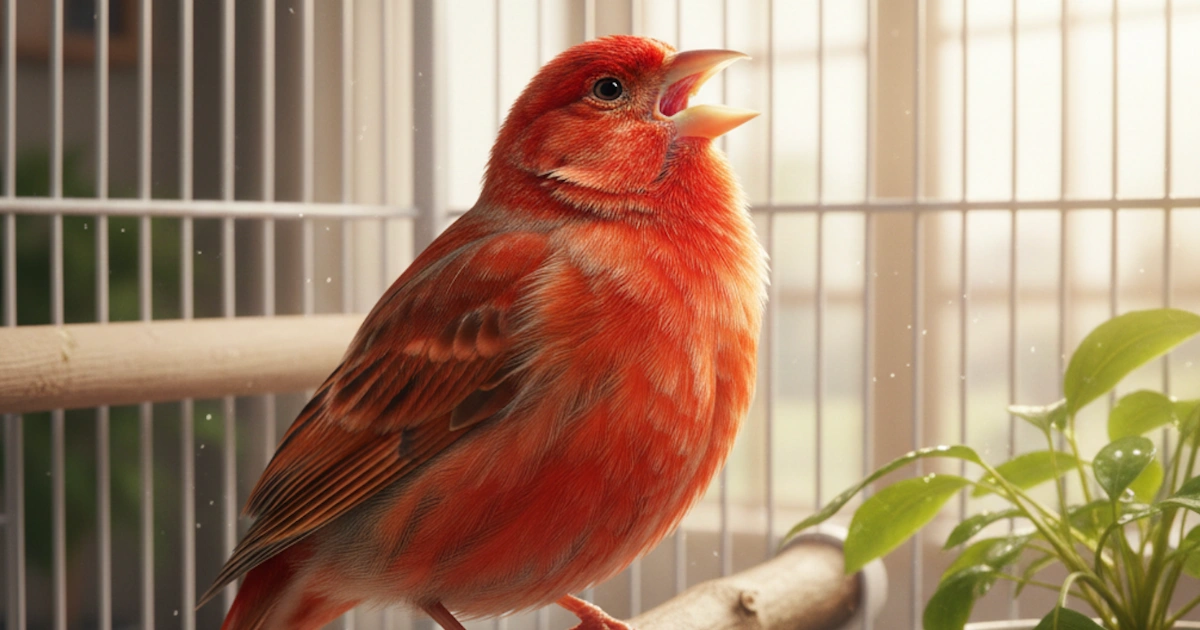
The Domestic Canary has been a cherished companion for hundreds of years. Specifically, people prize them for the unparalleled beauty of their song. They are living music boxes. Furthermore, they are perfect for those who want a bird’s presence without intense demands. This guide covers everything you need to provide a perfect stage. Consequently, your little performer will thrive in your home.
Species Information and Suitability
Canaries are an excellent choice for beginners. Specifically, they are hardy and relatively easy to care for. They do not have complex social demands like parrots. Therefore, they are perfect for someone who avoids constant handling. They can live for 10 to 12 years with excellent care. Consequently, they make wonderful long-term companions.
Canaries are solitary and territorial animals. Specifically, they must be housed singly. A male kept with another bird will see them as a rival. Therefore, he will stop singing. The beautiful song is a territorial call. You must get a male for the classic rolling song. Females do not sing. Specifically, they produce small chirps and peeps. They make very quiet and pleasant pets.
Canaries are perfect for apartment living. Specifically, they are not noisy in a disruptive way. A male’s song is melodic and pleasant. They are not mimics. Furthermore, they do not talk. Their vocal talent lies in producing their own innate song. Canaries are hands-off birds. Specifically, they find handling to be very stressful. You should admire them from a distance.
Canary Enclosure and Habitat Requirements
Canaries exercise by flying horizontally. Specifically, a long cage is essential for their health. The minimum size for one canary is 24 inches long. A traditional round cage is unsuitable. Furthermore, it does not provide adequate flight space. Provide natural wood perches of varying diameters. Specifically, this exercises their feet properly.
Use a safe paper liner like newspaper. This allows for easy daily cleaning. Furthermore, you can monitor droppings for health issues. A bird bath is non-negotiable. Specifically, canaries absolutely love to bathe. Offer a shallow bath with cool water every day. This is essential for feather health. Consequently, your bird will stay clean and vibrant.
Place the cage in a well-lit room. Specifically, the family should spend time there. It should be at chest level against a wall. Furthermore, keep it away from drafts and kitchen fumes. A cage cover at night is a good idea. It ensures they get 12 hours of quiet darkness. Specifically, this keeps their singing cycle regular.
Canary Diet and Nutrition
A varied diet is key to a healthy bird. Specifically, a high-quality seed mix should be 60 percent of the diet. Supplement this with pellets and commercial egg food. This provides essential protein and vitamins. Furthermore, fresh greens should be 20 percent of the diet. Offer finely chopped kale and broccoli leaves. Specifically, shredded carrots and apple pieces are good treats.
Avoid toxic foods like avocado and chocolate. Caffeine and alcohol are also standard avian toxins. Do canaries need grit? No. Specifically, canaries hull their seeds before eating. Therefore, they do not need grit for digestion. Seeds and pellets should be available at all times. Furthermore, remove fresh foods after a few hours. Provide extra egg food during the annual molt. Consequently, the bird will have the protein needed to regrow feathers.
Health and Behavioral Traits
A healthy canary is active and alert. Specifically, it hops between perches and sings. A sick bird will appear fluffed up and lethargic. Sitting on the cage floor is a major red flag. Furthermore, the bird will stop singing. Common health problems include air sac mites. Specifically, these cause wheezing or clicking sounds.
Why has my canary stopped singing? Molting is the most common reason. Specifically, canaries stop singing when regrowing feathers. This happens once a year. Other reasons include stress or poor nutrition. Furthermore, changes in light cycles affect their song. It is difficult to tell males from females visually. Specifically, only males produce the complex song. Playing recordings of other canaries can stimulate singing. Consequently, your male may sing more frequently.
Canary Varieties of the Domestic Canary
Canaries are bred for song, color, or type. Specifically, Song Canaries are bred for vocal quality. The German Roller has a soft and low-pitched song. Furthermore, the Waterslager has a bubbly and water-like sound. The American Singer is a melodic hybrid. Color Canaries are bred for vibrant hues. Specifically, the Red Factor Canary is the most famous. It must eat a special diet to maintain its plumage. Consequently, without pigments, the feathers grow in yellow.
Type Canaries are bred for physical form. Specifically, the Gloster Canary is instantly recognizable. It has a mop-top crest on its head. The Norwich Canary is large and stocky. It has a bullish appearance. Furthermore, it looks very fluffy compared to other breeds. Consequently, there is a variety for every bird enthusiast.
Canary Care FAQ
Yes, Canaries are an excellent choice for beginners. They are hardy, relatively easy to care for, and do not have the complex social or emotional demands of parrots. They are perfect for owners who want a beautiful presence in their home without the need for constant one-on-one interaction or handling.
The most common reason a Canary stops singing is the annual molt. During this time, the bird redirects its energy toward regrowing feathers and will typically remain silent. Other factors include poor nutrition, stress, changes in the light cycle, or the presence of a rival male.
No. Canaries are actually solitary and territorial by nature. They should be housed singly. Keeping two males together will lead to fighting, and a male may stop singing if he feels his territory is being challenged. Females can sometimes live together in very large aviaries, but a single cage per bird is generally the safest practice.
The best cage for a Canary is long and rectangular. Canaries exercise by flying horizontally, so width and length are much more important than height. Traditional round cages are unsuitable as they do not provide enough flight space and can be stressful for the bird.
No. Canaries hull their seeds (remove the shell) before eating them. Because the outer shell is removed, they do not require grit to help grind food in their digestive system. Providing grit is unnecessary and can actually cause health issues like crop impaction.
It is very difficult to tell the gender of a Canary by sight alone. The most reliable indicator is their song; only males produce the long, complex, and rolling songs. Females primarily produce short chirps and peeps.
A healthy Canary diet consists of about 60% high-quality seed mix, supplemented with pellets and commercial egg food for protein. The remaining 20-30% should consist of fresh greens like kale, broccoli leaves, and small amounts of fruit. Fresh water and a daily bird bath are also essential for their health.
Sources
- Lafeber Company
https://lafeber.com/pet-birds/species/canary/ - MSD Veterinary Manual
https://www.msdvetmanual.com/exotic-and-laboratory-animals/pet-birds/parasitic-diseases-of-pet-birds
Leave a Reply
You must be logged in to post a comment.