
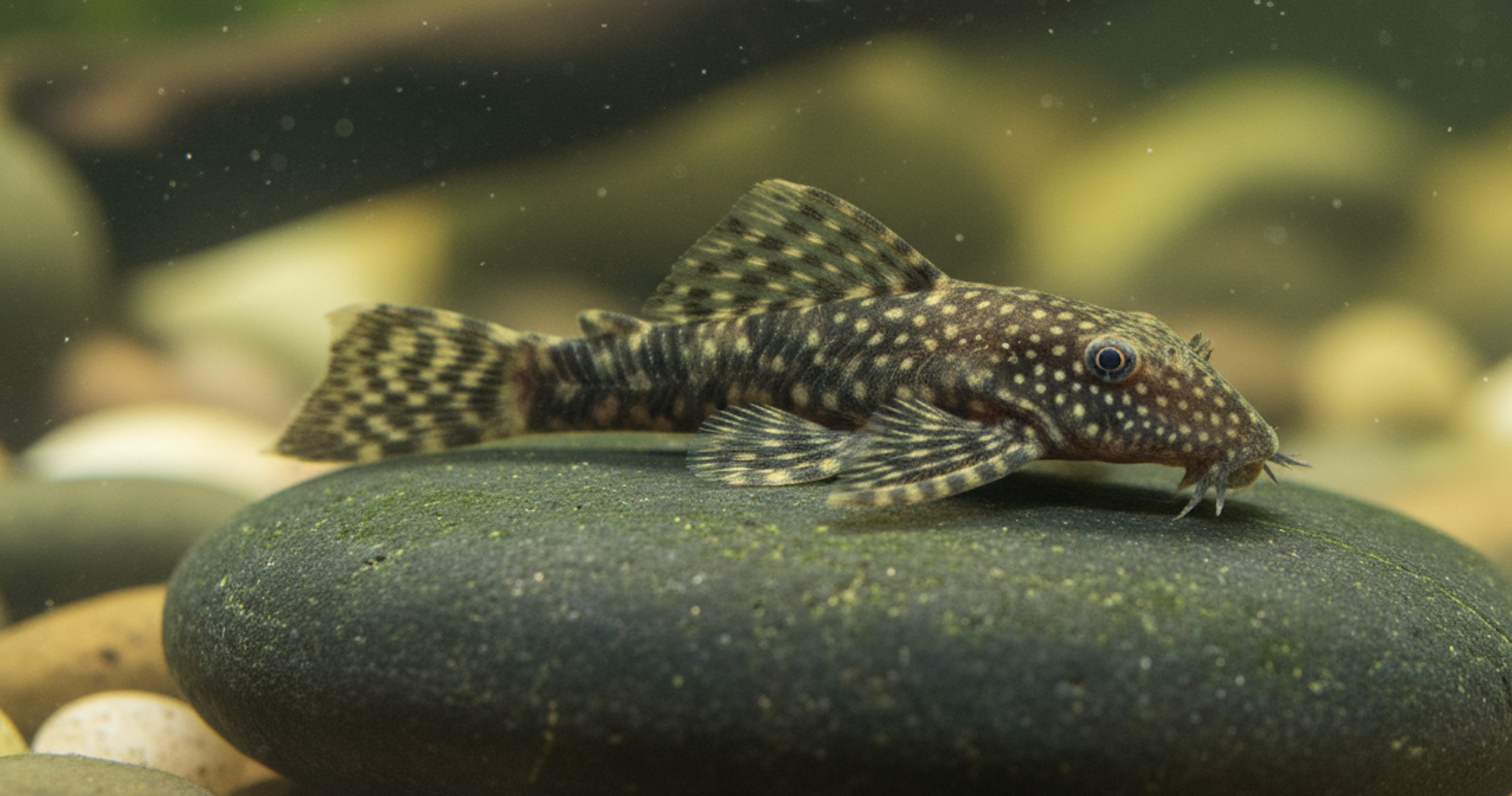
The Bristlenose Pleco (Ancistrus sp.) represents one of the most efficient biological cleaning agents for the freshwater aquarium. Specifically, this species is prized for its manageable size and peaceful temperament. Furthermore, they are a staple in the hobby for those who prioritize a low maintenance community tank. In fact, their unique appearance and industrious behavior make them a favorite among both researchers and hobbyists. Consequently, I reject the assumption that they are “set and forget” animals. Therefore, this guide provides a purely analytical look at their specialized needs. As a result, you will foster a healthy and productive companion.
Are Bristlenose Plecos good for beginner hobbyists?
The Bristlenose Pleco is an excellent pet for beginners who can provide a stable environment. Specifically, they are incredibly hardy and adapt well to various water parameters. Furthermore, their small adult size ensures they do not outgrow a standard 29 gallon aquarium. In fact, they are much more forgiving of minor husbandry errors than their larger cousins. Consequently, they are a high-value species for those seeking an effective algae eater. Therefore, I prioritize their inclusion in community setups. As a result, you gain a resilient and active resident.
How long do Bristlenose Plecos live and how large do they get?
In a stable aquarium environment, Bristlenose Plecos typically live for five to twelve years. Specifically, they reach a practical maximum adult length of four to five inches. Furthermore, they maintain a flattened, robust body shape that is perfectly adapted for grazing. In fact, providing high-quality nutrition and clean water is the primary factor in reaching their maximum lifespan. Consequently, they are ideal for 29-gallon systems or larger. Therefore, I recommend consistent maintenance to maximize their longevity. As a result, they remain a fixture in your community for a decade.
What is the temperament and why do Bristlenose Plecos have bristles?
Bristlenose Plecos are exceptionally peaceful toward other species but can be territorial toward their own kind. Specifically, mature males develop prominent fleshy bristles on their snouts. Furthermore, these “tentacles” are believed to mimic fry, signaling to females that the male is a capable caregiver. In fact, a male will fiercely defend a chosen cave against any rival male. Consequently, you should provide multiple hiding spots to prevent social disputes. Therefore, I recommend keeping only one male per tank. As a result, the aquarium remains a harmonious environment for all.
What is the minimum tank size and proper setup?
A 29 gallon aquarium is the absolute analytical minimum for a single adult Bristlenose Pleco to thrive. Specifically, you must provide a setup that includes secure caves and plenty of shaded areas. Furthermore, driftwood is a mandatory, life sustaining requirement for their digestive health. In fact, they rasp on wood to obtain essential fiber for processing nutrients. Consequently, a tank without wood will lead to systemic health failure over time. Therefore, I prioritize the presence of several pieces of Malaysian driftwood. As a result, your fish will maintain a healthy metabolism.
What are the ideal water parameters and maintenance?
Bristlenose Plecos thrive in stable, warm water between 73–81∘F with a pH of 6.5 to 7.8. Specifically, they produce a significant volume of waste for their size, requiring robust filtration. Furthermore, your aquarium must be fully cycled with zero ammonia and nitrite. In fact, keeping nitrates low is crucial for preventing skin irritations and stress. Consequently, large weekly water changes are a mandatory part of their care. Therefore, I prioritize water stability as the key health metric. As a result, the fish remain active and vibrant throughout the day.
What should I feed my Bristlenose Plecos?
It is a dangerous myth to purchase Bristlenose Plecos solely for algae control. Specifically, they cannot survive on aquarium algae alone and require a dedicated diet. Furthermore, high quality sinking algae wafers should serve as their nutritional staple. In fact, you must supplement their meals with blanched vegetables like zucchini and cucumber. Consequently, providing a variety of plant based foods ensures they maintain a rounded and healthy belly. Therefore, I recommend feeding them just before the lights go out. As a result, they forage naturally during their active period.
What are the signs of health and color fading?
A healthy Bristlenose Pleco is active at night and possesses a plump, rounded belly. Specifically, a sunken stomach is a definitive sign of starvation or internal parasites. Furthermore, a pale or fading body color is a classic indicator of high stress. In fact, this can be caused by poor water quality or a lack of adequate hiding spots. Consequently, you should monitor their physical appearance daily as a health metric. Therefore, I prioritize checking their activity levels during feeding time. As a result, you can intervene early if husbandry issues arise.
How do you breed Bristlenose Plecos and care for fry?
Breeding Bristlenose Plecos in a home aquarium is entirely possible for a dedicated keeper. Specifically, it requires a mature pair and a tight, enclosed “pleco cave.” Furthermore, the male is an exceptional father who guards and fans the eggs until they hatch. In fact, he will often refuse to eat while protecting the clutch within his cave. Consequently, you must provide a high-protein diet to the parents to get them into breeding condition. Therefore, I recommend using bloodworms or live blackworms as a trigger. As a result, you can raise your own generation of fry.
Which tank mates are compatible for a peaceful community?
Bristlenose Plecos are perfect community residents that coexist well with Tetras, Rasboras, and Corydoras. Specifically, they focus entirely on the aquarium floor and ignore mid water swimmers. Furthermore, they are completely safe with shrimp and snails and will not harass them. In fact, they are often used as “safety” cleaners in delicate planted setups. Consequently, they fit into almost any non aggressive setup. Therefore, I recommend avoiding large or aggressive cichlids that might view them as a target. As a result, the aquarium remains an stress free zone for all inhabitants.
The different types of Bristlenose Plecos
Several selectively bred varieties exist, though all share identical core requirements. Specifically, the Common Bristlenose features a dark brown, mottled pattern. Furthermore, the Albino variety is prized for its bright yellow body and red eyes. In fact, the Super Red variety displays a solid, vibrant orange coloration. Consequently, any of these can be found in a “Longfin” version with spectacular flowing finnage. Therefore, I categorize them by their visual appeal rather than biological needs. As a result, you can choose the look that best fits your display.
Bristlenose Plecos FAQ
They reach 4 to 5 inches. This makes them perfect for smaller setups. They are the compact version of the prehistoric giants. Don’t expect a monster. Expect a manageable, weird-looking roommate.
Yes. It is a biological necessity. They rasp on it for fiber. It aids their digestion. Your fish will get bloated without it. Constipation is a silent killer. Buy real wood. Skip the plastic decor.
Those are tentacles. You likely have a male. Males use these to look attractive to females. They signal health and vitality. It looks like a sentient beard. Females usually have bare faces. Some females grow small bumps. Large “bushes” belong to the boys.
They are efficient cleaners. They are not miracle workers. They prefer soft green algae. They won’t touch tough black beard algae. You must still feed them. Give them high-quality algae wafers. Drop in a slice of blanched zucchini. A hungry pleco is a dead pleco.
Use a 20-gallon long tank. This provides enough floor space. They are bottom-dwellers. Horizontal room matters more than height. They produce a lot of waste. You need strong filtration. Don’t cram them into a 10-gallon cube.
Sources
- Wikipedia
https://en.wikipedia.org/wiki/Ancistrus - Aqua-Fish.Net
https://en.aqua-fish.net/fish/bristlenose-catfish1 - Select Aquatics
http://www.selectaquatics.com/article_breeding_plecos.htm - Micro Aquatic Shop
https://microaquaticshop.com.au/blogs/beginners-guide/what-to-know-about-the-bristlenose-pleco - Mosaic Tropical Fish
https://mosaictropicalfish.com/blog/how-to-breed-bristlenose-pleco


Leave a Reply