
I used to think basking was just something turtles did. I’d watch my Red-eared Sliders, Mike and Frida, haul themselves onto their dock and just… sit there. It seemed so simple. It wasn’t until I truly understood the science that my perspective changed. That heat lamp wasn’t just a warm spot; it was their engine. The invisible UVB light wasn’t just a bulb; it was the magic ingredient turning their food into strong bones and a healthy shell.
In essence, I wasn’t just providing a cozy spot; I was giving them the sun. Understanding that profound responsibility is the most important part of reptile keeping. Indeed, sunlight, a golden kiss from the sky, is a source of energy for reptiles. Furthermore, it is essential for strong bones and a healthy immune system. By basking in its warmth, they regulate their body temperature and enjoy the world around them. Sunlight nourishes their bodies, making it an indispensable part of their lives. This is because the sun is the source of the full spectrum of ultraviolet radiation.
Specifically, sunlight contains white light, which has all the wavelengths of visible light, as well as ultraviolet light, and both have roles in a reptile’s life. Understanding this profound responsibility is the single most important step in reptile keeping. Therefore, this guide is here to help you become a sun-builder for your amazing pet.
What is White Light?
Light affects a reptile’s appetite, metabolism, production of melatonin in a reptile’s brain, and in some reptiles, reproduction. However, reproduction specifically is influenced by temperature and seasonal changes rather than light itself. Insufficient exposure to the necessary light disrupts the gland responsible for melatonin production. This disruption affects a reptile’s normal pattern of activity and proper temperature regulation. In the wild, reptiles experience seasonal variation: hours of sunlight in the winter are naturally shorter than in summer. Consequently, the variation in the intensity and duration of exposure to light across the seasons affects a reptile’s reproductive cycle. This discovery in itself is what helped in the success of breeding reptiles. Therefore, to mimic that natural effect, you need a lighting system that allows a normal day-night cycle.
What is the difference between UVA and UVB reptile lights?
UV light is part of the electromagnetic spectrum. We can not see it with the human eye, but it is visible to many animals including reptiles. There are 3 types.
UVA: Found in the sun and artificial full spectrum lighting. It helps regulate activity levels and social behaviors such as feeding and mating. UVA have a longer wavelength than UVB. UVA forms 95% of the UV radiation that reaches the earth.
UVB: Allows synthesis of Vitamin D3. Meaning, UVB helps the skin produce Vitamin D3 which helps reptiles absorb calcium from the diet. and This is essential for muscle and bone health. High exposure to UVB increases the risk of DNA and cellular damage. 95% of UVB is absorbed by the ozone in our atmosphere. UVA and UVB differ from each other by how deep the rays penetrate different levels of the skin.
UVC: Not required for reptiles. High levels of exposure is harmful because its toxic. And good news is its almost completely absorbed by our atmosphere.




How long should my reptile bask on each day?
This question brings us to Professor Ferguson, a reptile expert, who watched 15 different types of reptiles to see how much sun they liked. He noticed that some reptiles were sun-worshippers, basking all day, while others were more like vampires, avoiding the sun. Consequently, he and his team gathered data of the daily UV exposure and grouped these reptiles into four sunbathing categories, or “Ferguson Zones.” In short, Ferguson and his team divided the reptiles into four groups based on their thermo-regulatory behavior. He also considered their daily sun exposure and micro-habitat preferences.
Ferguson Zones
Zone 1: The Shade Seekers – These reptiles prefer the cool, dark corners. Reptiles that avoid direct sunlight such as leopard geckos, crested geckos and the burmese python. Since they only emerge in twilight hours, they require minimal or low levels of UVB.
Zone 2: The Casual Sunbathers – They enjoy a bit of sun, but not too much. They occasionally bask for short periods of time in dappled sunlight. Examples, boa constrictors, ball pythons, and ornate box turtles. Reptiles in this zone require moderate amounts of UVB.
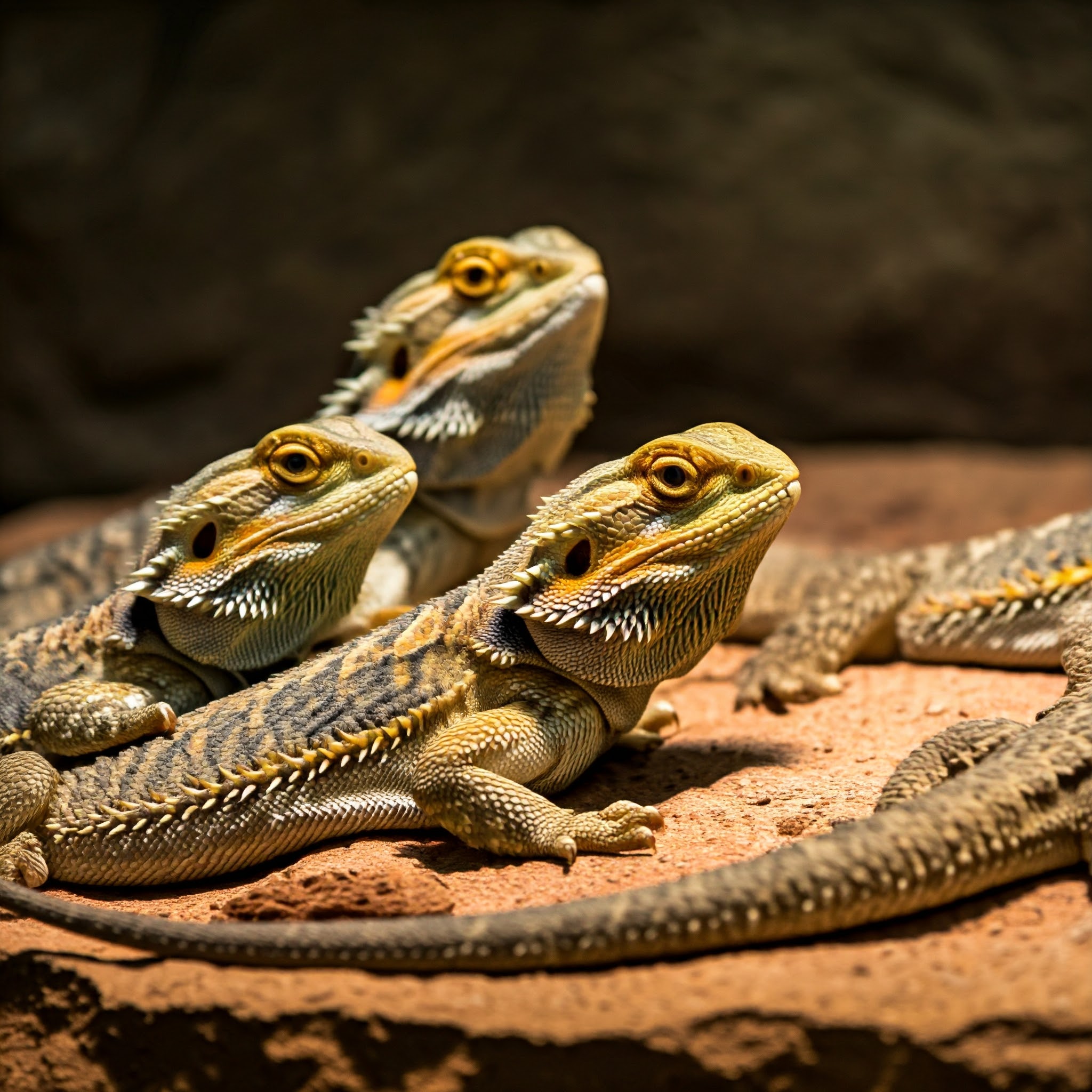
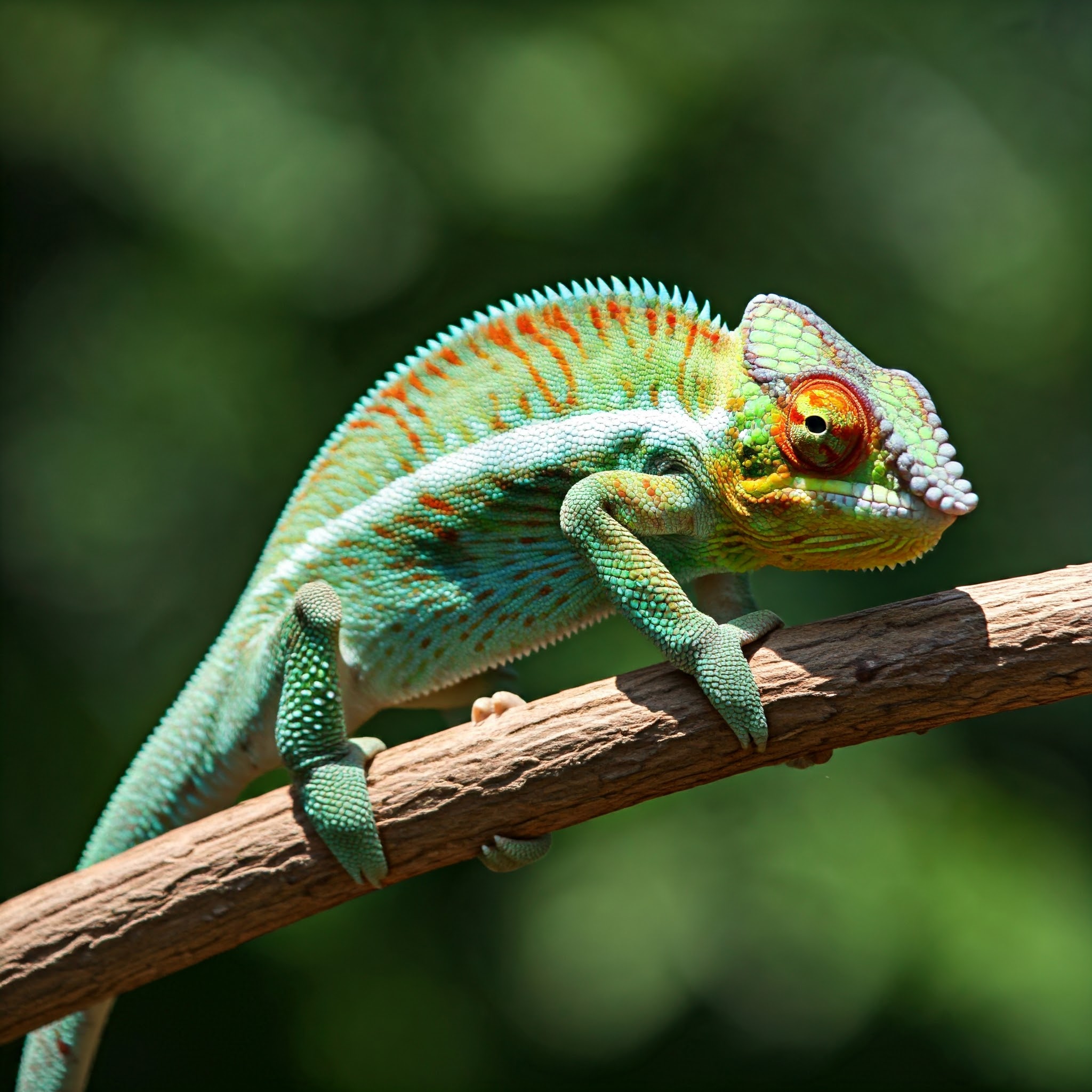
Zone 3: The Sun Worshippers – These reptiles love to soak up the rays. They bask in full sunlight in the morning or mid day when its a bit clouded. Examples for reptiles in this zone include leopard tortoises, yemen chameleons, bearded dragons and frilled lizards. They spend significant amount of their day basking in the sun. They are require medium to high amount of UVB.
Zone 4: The Extreme Sunbathers – They crave intense sunlight and bask for hours at anytime during the day. Such as, Uromastyx, chuckwalas and rhinoceros iguana. Reptiles in this zone bask in intense midday sun. They are require high levels of UVB.
By understanding these sunbathing preferences, we can create the perfect environment for our reptile friends! To ensure the health and well-being of your reptile, it’s crucial to provide the right amount of UVB light. This involves choosing the correct light fixture, bulb, and placing it at the appropriate distance from your reptile’s basking spot. These factors work together to deliver the necessary UVB radiation. This is important for your reptile’s Vitamin D3 synthesis and bone health. Too little UVB will eventually lead to Metabolic Bone Disease. And excessive exposure causes eye problems. UVB promotes overall health and natural behaviors in captive reptiles.
Basking Styles
The Sunbeam Method:
This method mimics natural sunlight. It provides a concentrated area of UVB light on top of a basking spot. Your reptile will get to choose to bask or retreat to to areas with lower levels of UVB. This method is ideal for reptiles in zone 3 and 4. You need to position the UVB and heating bulbs precisely. This ensures the basking spot receives the right amount of UVB and that the heating lamp is correctly placed. Use a UVB meter and a thermometer to measure the UV index and temperature on the basking area.
The Shade Method:
This method provides the entire enclosure in a moderate to low levels of UVB. Long linear UVB fluorescent tubes such the T5 and the T8. Benefits of this method is that it maintains UVB levels at a safe range in consistent low levels of exposure. It can be accomplished with most reptiles but it is more ideal for reptiles belonging to Zones 1 and 2. This method can not be used for tall vertical enclosures.
Reptile Basking FAQ
UVA regulates reptile activity, feeding, and social behavior, while UVB enables Vitamin D3 synthesis for calcium absorption. UVA penetrates deeper skin layers and accounts for 95 percent of natural UV reaching earth. UVB carries higher cellular damage risk but remains essential for bone health.
Ferguson Zones classify reptiles by daily UVB exposure into four categories. Zone 1 covers shade-seekers like crested geckos, while Zone 2 includes ball pythons and casual baskers. Zone 3 fits sun-worshippers like bearded dragons, and Zone 4 contains extreme baskers like Uromastyx and chuckwallas.
Nocturnal and crepuscular reptiles benefit from low-level UVB exposure even in Zone 1. Recent research challenges the old assumption that twilight species require none, since modest UVB output supports baseline Vitamin D3 production. Specialized low-output bulbs prevent deficiency without disrupting natural activity cycles.
Reptiles need 10 to 14 hours of UVB exposure daily, matching natural day length cycles. Zone 3 and 4 species need long basking sessions under high-output bulbs. Zone 1 and 2 species need shorter, lower-intensity exposure managed by automatic timers.
Glass and plastic block nearly 100 percent of UVB radiation reaching the reptile. A reptile basking behind glass receives heat but no Vitamin D3 synthesis support, making window basking useless for calcium metabolism. Open-top enclosures with metal mesh screens transmit usable UVB.
UVB bulbs lose effectiveness within 6 to 12 months even when they still emit visible light. Manufacturer specifications determine the exact replacement interval, and a solar meter measures actual UV index output at the basking spot. Expired bulbs cause gradual MBD without obvious warning signs.
Excessive UVB exposure causes photo-kerato-conjunctivitis, retinal damage, and DNA-level cellular harm. Properly positioned bulbs at correct distances prevent overdose, and shaded retreat zones inside the enclosure protect against accidental overexposure. A UV index meter confirms safe basking-spot intensity for each Ferguson Zone.
Sources
- Journal of Herpetological Medicine and Surgery
https://herpmed.org/doi/abs/10.5811/westjem.2011.5.2273 - Exotic Direct
https://www.exoticdirect.co.uk/news/reptile-lighting-explained - Journal of Zoo and Aquarium Research
https://www.jzar.org/jzar/article/view/150 - LafeberVet
https://lafeber.com/vet/metabolic-bone-disease-in-reptiles/ - Arcadia Reptile
https://www.arcadiareptile.com/lighting/guide/
Leave a Reply
You must be logged in to post a comment.