
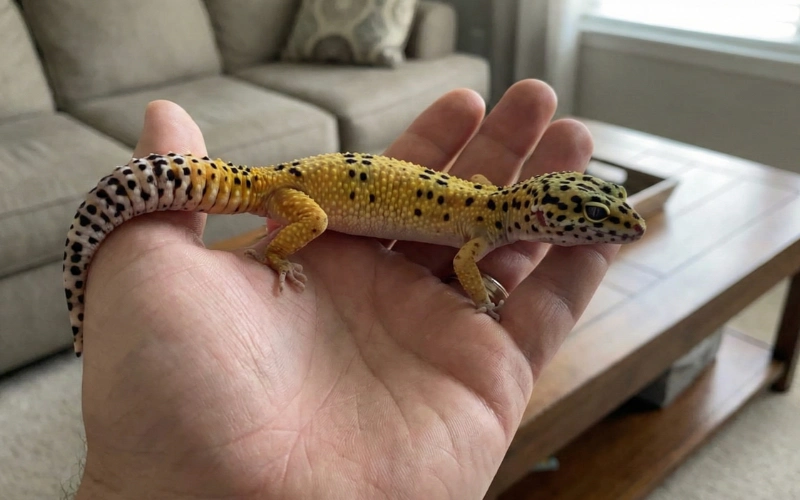
The Leopard Gecko (Eublepharis macularius) is a small, terrestrial lizard from the deserts of Asia and the Middle East. Its hardiness, gentle nature, and relatively simple care have made it the cornerstone of the reptile hobby for a reason.
Are Leopard Geckos truly the best pets for beginners?
The Leopard Gecko is arguably the premier choice for a novice reptile keeper. Specifically, they are exceptionally hardy and generally docile. Furthermore, their environmental requirements are well-understood and relatively easy to manage. Consequently, they tolerate minor husbandry errors better than many tropical species. Therefore, they provide a stable introduction to the reptile hobby. In fact, their long-term health depends entirely on consistent, evidence-based care.
What is the lifespan and social requirements of Leopard Geckos?
Leopard Geckos represent a significant long-term commitment. Specifically, these lizards can easily live for fifteen to twenty years in captivity. Furthermore, they are strictly solitary animals that must live alone. Consequently, housing geckos together leads to dangerous bullying and resource competition. Therefore, you must provide a dedicated enclosure for every individual. As a result, solitary housing ensures your pet thrives without social stress.
What is the modern standard for Leopard Geckos enclosure size?
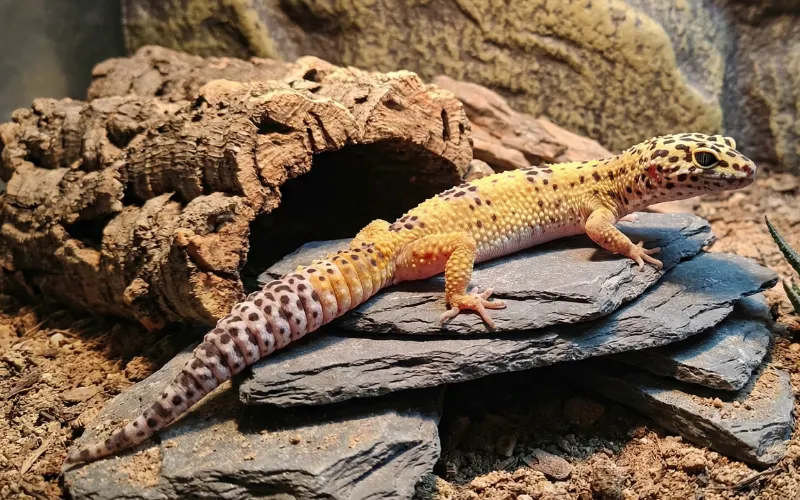
The modern minimum enclosure size for an adult is a 40-gallon breeder tank. Specifically, a larger habitat allows for a much better temperature gradient. Furthermore, extra space provides vital room for enrichment and natural exploration. However, many outdated guides still suggest 20-gallon long tanks. Consequently, you should prioritize floor space to maximize the animal’s quality of life. Therefore, investing in a larger enclosure prevents lethargy and obesity.
Which substrates and heating methods are safe for Leopard Geckos?
Safety must always remain the primary focus when choosing a substrate. Specifically, solid surfaces like slate tile or paper towels prevent the risk of fatal impaction. Furthermore, overhead heating via a halogen flood lamp is the most effective method. Consequently, this mimics natural solar radiation and provides deep tissue heat. Therefore, you must connect every heat source to a dimming thermostat. In fact, proper thermoregulation is impossible with an unregulated heat mat.
Why are multiple hides and UVB lighting essential?
You must provide at least three distinct hides for security. Specifically, place one hide on the warm side and one on the cool side. Furthermore, a central “humid hide” filled with damp moss is critical for shedding. Consequently, the moisture softens the old skin to prevent toe loss. Therefore, you should also provide a low-output T5 UVB bulb. In fact, UVB exposure allows the gecko to synthesize Vitamin D3 naturally.
What constitutes a healthy insectivore diet?
The Leopard Gecko is an obligate insectivore. Specifically, its diet must consist entirely of live, high-quality insects. Furthermore, the best staples are dubia roaches, crickets, and silkworms. Consequently, you must “gut-load” these insects with nutritious vegetables before feeding. Therefore, this process ensures the gecko receives maximum vitamins from its prey. In fact, a gecko cannot process fruits or vegetables directly.
How do you manage supplements and prevent Metabolic Bone Disease?
Nutritional supplements are a life-or-death requirement for captive geckos. Specifically, you must lightly dust feeder insects with calcium and multivitamins. Furthermore, you should leave a small dish of pure calcium powder in the tank. Consequently, this prevents the development of Metabolic Bone Disease. Therefore, this condition causes soft, rubbery bones and permanent physical deformities. In fact, prevention is significantly easier than treating a physically disabled animal.
What do tail dropping and color changes indicate?
A Leopard Gecko uses tail autotomy as a vital defensive mechanism. Specifically, the gecko detaches its tail to distract a potential predator. Furthermore, the tail will eventually grow back as a bulbous, regenerated structure. Consequently, a healthy tail should always appear plump and thick. However, if your gecko turns pale, it is simply preparing to shed. Therefore, you must avoid handling the animal during this vulnerable phase.
Leopard Geckos Care FAQ
Juveniles require daily feeding to support active growth. Adults, however, thrive on feeding every two to three days. Overfeeding adults leads directly to obesity, which strains the liver. Therefore, portion size and frequency must scale with the animal’s age and current body condition.
Leopard geckos can bite, but they rarely do so unprovoked. A bite from a juvenile is barely noticeable. Furthermore, an adult bite may surprise you but causes no serious injury. Biting typically signals stress, hunger, or misidentification of fingers as food during feeding sessions.
Start with short, five-minute handling sessions close to the ground. Specifically, allow the gecko to walk between your hands rather than gripping it firmly. Furthermore, consistency matters more than duration in the early stages. Consequently, daily low-stress sessions build trust gradually and reduce defensive behavior over several weeks.
Sexing is straightforward once the gecko reaches maturity around six to eight months. Males display a clear V-shaped row of pre-anal pores and two distinct hemipenal bulges below the tail base. Females lack both features entirely. Therefore, attempting to sex juveniles accurately before this age is unreliable.
A standard wild-type leopard gecko typically costs between thirty and seventy USD. However, designer morphs can reach several hundred dollars depending on rarity. Furthermore, the initial enclosure setup — including heating, thermostat, hides, and substrate — consistently costs more than the animal. Budget accordingly before committing to the purchase.
Sources
- National Geographic
https://www.nationalgeographic.com/animals/reptiles/facts/leopard-gecko - RSPCA
https://www.rspca.org.uk/adviceandwelfare/pets/reptiles/lizards/leopardgeckos - Journal of Herpetological Medicine and Surgery
https://www.jherpmedsurg.com/ - Advancing Herpetological Husbandry
https://www.facebook.com/groups/AdvancingHerpetologicalHusbandry/ - Leopard Gecko Care
https://www.leopardgeckocare.net/substrates-to-avoid/

Leave a Reply
You must be logged in to post a comment.