

With their huge, soulful eyes, the ability to glide through the air, and a deep need for social connection, the sugar glider is one of the most unique and fascinating pets a person can own. It’s hard not to be charmed by a sugar glider’s characteristics. It is important to note that they are not rodents, but tiny, nocturnal marsupials from Australia and New Guinea. Their charm is undeniable, but their care is a complex and demanding lifestyle commitment. Is this tiny, barking, fruit-loving creature the right pet for you? Ultimately, therefore, this guide will answer all of your questions, from their non-negotiable social needs to their famously specific diet.
The Expert-Level Tamagotchi
My daily routine involves a complex dance of feeding schedules. The cats are easy; they only require me to fill a bowl and accept that I am their humble servant. My reptiles require a more thoughtful approach, a scientific calculation of calcium and UVB.
And then, there’s the sugar glider diet. It is a multi-page, chemically balanced, fruit-and-protein recipe that looks like something an astronaut would eat. In fact, it requires more nightly prep than my own dinner.
The thought of owning a pet that is not only nocturnal (my sleep is precious!), but also has a diet plan more complicated than a professional athlete’s, is both terrifying and deeply impressive. These are not simple pets; instead, they are expert-level, flying Tamagotchis with deep emotional needs. Therefore, this guide is a tribute to the dedicated keepers who have mastered that beautiful, sticky, nocturnal chaos.
Are Sugar Gliders Good Pets for Beginners or Children?
No, sugar gliders are unsuitable for first-time owners or households with young children. Indeed, they rank among the most demanding exotic mammals in the pet trade. Ownership requires substantial finances, a decade-long commitment, and tolerance for nightly noise. Veterinary specialists routinely categorize them as a “moderate-to-high risk” species for the average household. Here is the analytical breakdown:
- Nocturnal Lifestyle: Sugar gliders sleep roughly 13 to 19 hours during daylight. They become active, vocal, and demanding precisely when most families want quiet. In fact, their nighttime alarm call (called “crabbing”) can wake light sleepers from across a room. As a result, they fundamentally clash with a child’s school schedule and an adult’s work cycle.
- Complex Diet: Their nutritional needs rank among the most restrictive of any common exotic pet. Specifically, the diet demands a calcium-to-phosphorus ratio near 2:1 and controlled vitamin D3 intake. No commercial pellet alone meets their needs adequately. Consequently, an improper diet remains the leading documented cause of premature death in captivity.
- Delicate Bodies: Adult sugar gliders weigh only 80 to 160 grams. Their bones sit roughly the diameter of toothpicks. The gliding membrane (the patagium) tears easily during rough handling. Indeed, a child squeezing a glider — even unintentionally — can cause fatal internal injuries.
- Nipping and Defensive Bites: Yes, sugar gliders bite. Their teeth, although small, easily pierce skin and draw blood. Scared, unbonded, or hormonal gliders bite reflexively, especially in the first weeks after rehoming. Therefore, expect minor injuries during bonding; this is normal, not a training failure.
- Lifespan and Cost: Sugar gliders live 12 to 15 years in captivity, occasionally longer. The commitment includes specialty veterinary care, daily fresh produce, and ongoing enrichment replacement. In fact, exotic-vet appointments often cost two to three times more than standard small-mammal visits.
- Odor and Marking: Both sexes possess scent glands and mark territory, food, mates, and owners. Specifically, intact males develop a pronounced bald patch on the forehead from glandular activity. As a result, the natural musk persists even with weekly cage cleaning.
Are Sugar Gliders Legal to Own Where I Live?
Legality is the very first question to resolve, before researching cages, diets, or breeders. Specifically, regulations vary by country, state, county, and even individual municipality. An animal that is legal one mile from your home may be illegal at your address.
Within the United States, three states maintain a complete ban on private ownership: California, Hawaii, and Alaska. Pennsylvania also prohibits ownership because the state currently issues no permits for that purpose. Furthermore, Massachusetts grants permits almost exclusively to zoos and educational institutions. As a result, casual ownership is effectively impossible in those jurisdictions.
Several states permit ownership but impose specific conditions. Georgia requires proof that the glider originated from a USDA-licensed source. Meanwhile, New Mexico, Nebraska, and New Jersey require formal permits or state approval before purchase. Therefore, “legal” rarely means “no paperwork required.”
City-level bans frequently override state-level permission. For example, sugar gliders are illegal in New York City (all five boroughs), Salt Lake City, St. Paul, Chicago, Los Angeles, and Baltimore. Additionally, several Louisiana parishes — including East Baton Rouge — prohibit ownership locally despite state legality. Consequently, contacting both your state wildlife agency and your local city or county clerk is essential.
Penalties for illegal ownership are not symbolic. Indeed, California fines for illegal exotic possession range from $500 to $10,000, plus removal costs. Confiscated gliders are typically euthanized, because they cannot legally be released as a non-native species. As a result, a cheap impulse purchase can end with a dead animal and a four-figure penalty.
What Kind of Cage Does a Sugar Glider Need?
Sugar gliders need a tall, vertically oriented enclosure with narrow bar spacing, secure latches, and stable indoor temperatures. Specifically, vertical height matters more than floor area, because gliders are arboreal climbers. A cage designed for guinea pigs or rabbits, however large, fails the basic husbandry standard.
- Cage Material: Choose powder-coated wire or stainless steel construction. Avoid galvanized metal, which can leach zinc and cause toxicosis. Plastic-coated mesh chews easily and creates ingestion risk. Vertical bars are perfectly safe; gliders grip them without difficulty, despite older marketing claims to the contrary.
- Minimum Size: For a pair, the Merck Veterinary Manual lists 61 cm × 91 cm × 91 cm (24 × 36 × 36 inches). However, most reputable rescues recommend at least 91 × 61 × 107 cm (36 × 24 × 42 inches) as a practical baseline. Indeed, “bigger is always better” applies literally; gliders use every centimeter of vertical space available.
- Bar Spacing: Spacing must not exceed 1.27 cm (0.5 inch) to prevent escape and injury. Juvenile gliders can squeeze through gaps wider than this. Furthermore, gliders are exceptional escape artists. They learn to operate simple latches within weeks. Therefore, secure all doors with clips or carabiners.
- Temperature and Humidity: Maintain ambient temperature between 21 and 27 °C (70–80 °F), with relative humidity around 45 to 50 percent. In fact, prolonged exposure below 18 °C induces torpor, while temperatures above 32 °C cause heatstroke. Never use heat rocks or heat lamps inside the enclosure; gliders climb and burn easily.
- Substrate and Cleaning: Use solid flooring with removable trays lined with paper-based bedding or fleece liners. However, avoid pine and cedar shavings; the aromatic oils are documented respiratory irritants. Spot-clean daily and perform a full disinfection weekly with an unscented, pet-safe cleaner.
- Furnishings: Include at least one sleeping pouch per glider, a solid-surface exercise wheel, and several non-toxic climbing branches. Manzanita, apple, and untreated citrus branches are safe choices when baked at 93 °C for 30 minutes beforehand. Additionally, rotate toys every two weeks to prevent boredom-driven stereotypies.
- Placement: Position the cage away from direct sunlight, drafts, kitchens (cooking fumes), and high-traffic zones. Sugar gliders are nocturnal and require a quiet, dim daytime environment to sleep properly.
Can I Keep Just One Sugar Glider?
No. This rule is non-negotiable, and ethical breeders refuse to sell single gliders to first-time keepers. Indeed, sugar gliders appear in peer-reviewed veterinary literature as a laboratory model for serotonin-deficiency depression. Specifically, researchers induce clinical depression in study gliders simply by housing them alone.
In the wild, sugar gliders form colonies of 7 to 15 related individuals that share nests, scent, and food. Furthermore, juveniles disperse from the colony only at 7 to 10 months of age, never as solitary animals. Consequently, isolation contradicts every behavioral and neurological adaptation the species has evolved.
A lone sugar glider progresses through predictable stages of decline. First comes excessive crabbing and pacing. Next, weight loss, refusal to eat, and over-grooming of the tail and limbs appear. As a result, severe cases progress to self-mutilation of the genitals, tail, or extremities. Death from starvation or sepsis often follows within months.
Human attention does not substitute for conspecific companionship. In fact, an owner can offer four hours of nightly interaction and the glider will still deteriorate. Therefore, plan for a minimum of two compatible gliders from day one. Same-sex pairs work well when introduced young. Conversely, opposite-sex pairs require neutering of the male to prevent uncontrolled breeding.
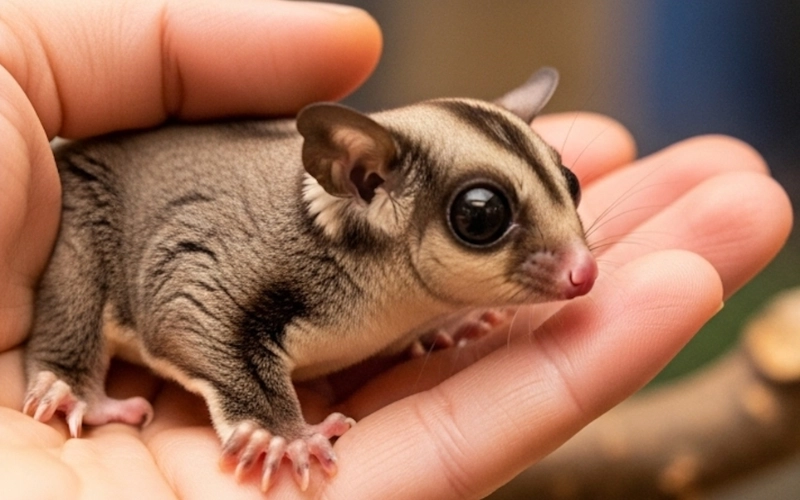
How Do You Bond With a Sugar Glider?
Bonding is a methodical, weeks-long process built on scent familiarity, predictable routine, and zero coercion. Specifically, sugar gliders identify safe individuals primarily by smell, not sight. Therefore, the goal is to make your scent associated with safety, food, and warmth — in that order.
- Pouch Time (Scent Bonding): Carry your gliders in a fleece bonding pouch worn against your skin during their daytime sleep. Keep sessions quiet, with no sudden movements or loud noises. As a result, your scent becomes part of their nest. Daily sessions of 4 to 6 hours produce noticeable progress within two to three weeks.
- Voice Familiarization: Speak softly during pouch time so they associate your voice with calm, safe rest. Avoid forced handling during the first two weeks; respect their refusal to come out. Indeed, pulling a frightened glider from its pouch sets bonding back significantly.
- Treat Conditioning: Once they accept pouch time without aggressive crabbing, introduce hand-feeding. Specifically, offer small portions (around 2 grams) of plain Greek yogurt, mealworm halves, or a single blueberry. Only offer treats when they approach voluntarily; never grab.
- Tent Time (Free Interaction): A pop-up mesh tent provides a contained environment where gliders can climb on you safely. Therefore, you avoid the chaos of room-recovery missions when a glider escapes behind furniture. Sessions of 30 to 60 minutes after dusk yield the best results.
- Realistic Timeline: Full trust often takes 3 to 6 months, occasionally longer for older or rehomed gliders. In fact, some individuals never become truly “cuddly” no matter how perfect the technique. Consequently, accept the animal’s personality rather than forcing affection. Forcing it backfires every single time.
What Should I Feed My Sugar Glider?
Sugar glider nutrition is the single most studied — and still debated — aspect of their captive care. The species is omnivorous, eating sap, gum, nectar, pollen, and insects in the wild. Therefore, no single commercial food approximates this complexity, and pellet-only diets remain a documented cause of premature death.
Furthermore, every reputable veterinary source agrees on one principle. A structured, recipe-based diet with a calcium-to-phosphorus ratio of at least 2:1, ideally closer to 4:1, is mandatory. Indeed, deviating from a tested recipe is not a creative choice; it is a documented cause of metabolic bone disease.
The Staple Diet
Most experienced keepers follow one of four community-vetted recipes. Specifically:
- BML (Bourbon’s Modified Leadbeater’s): Created in 1998 by Bourbon Hackworth, adapted from a zoo formula. The base mix includes warm water, honey, a 70-gram jar of chicken baby food, and one shelled boiled egg. It also includes Rep-Cal calcium with vitamin D3 and a multivitamin (Centrum). Blend the mixture, freeze it in ice-cube portions, and thaw daily.
- TPG (The Pet Glider) Diet: Developed by The Pet Glider sanctuary. Specifically, it uses a fresh-frozen base with The Pet Glider Vitamins. The vitamin blend includes bee pollen, milk thistle, calcium, and probiotics.
- OHPW (Original High-Protein Wombaroo): Built around Wombaroo HPW powder. This is a commercially produced Australian formula designed for nectarivorous marsupials.
- Critter Love Complete (CLC): A more recent recipe system using Critter Love-branded supplements and a documented produce list.
Each recipe specifies an exact list of permitted fruits and vegetables. Indeed, mixing recipes or substituting ingredients invalidates the calcium-to-phosphorus calculation. Therefore, choose one diet, follow it precisely, and consult an exotics-experienced veterinarian before any modification.
Fresh Foods and Protein
The staple base always pairs with a measured offering of fresh produce and live insect protein. Specifically, daily totals per adult glider sit around 15 grams of staple, 15 grams of fruit, and 15 grams of vegetables.
Protein sources include 2 to 3 large mealworms, 1 superworm, or small portions of cooked chicken or hard-boiled egg. Conversely, some sources now discourage crickets due to potential aflatoxin contamination from mold-affected feed. Additionally, gut-loading insects with calcium-rich greens before feeding boosts the nutritional profile considerably.
Dangerous and Forbidden Foods
Several common foods are documented as toxic or contraindicated for sugar gliders. Specifically, avoid the following:
- Toxic: Chocolate, caffeine, onion, garlic, chives, leeks, scallions, raw lima beans, and avocado skin or pit.
- High-risk seeds and pits: Apple seeds, cherry pits, citrus seeds, and stone-fruit pits contain cyanogenic compounds.
- Avoid: Iceberg lettuce (negligible nutrition), excessive raw corn (high phosphorus), and dairy other than yogurt (lactose intolerance).
- Strictly forbidden: Anything containing artificial sweeteners — particularly xylitol — and any processed human food.
- Poor choices: Nuts and seeds in excess (high fat) and canned fruit (preservatives, syrup).
Furthermore, fireflies (lightning bugs) are lethal to sugar gliders due to lucibufagins. Indeed, even a single wild firefly can cause cardiac arrest within hours.
What Are Common Health Problems?
Sugar gliders are masters of disguise, hiding illness until disease is advanced; this reflects standard prey-species behavior. Therefore, owners must monitor weight, appetite, and droppings daily rather than rely on outward appearance. Furthermore, locating a veterinarian experienced in marsupials before purchase is non-negotiable.
- Nutritional Secondary Hyperparathyroidism (NSHP / Metabolic Bone Disease): This remains the leading cause of premature death in captive sugar gliders. Specifically, calcium deficiency or an inverted calcium-to-phosphorus ratio forces the body to leach calcium from the bones. As a result, bones soften, and pathologic fractures occur during normal climbing or jumping. Indeed, hind-limb paralysis from a spinal fracture is often the first visible sign. Treatment involves dietary correction, calcium supplementation, vitamin D3 injection, and strict cage rest. Consequently, prevention through a proven diet recipe is the only reliable strategy.
- Obesity and Hepatic Lipidosis: Diets too rich in fatty proteins, dried fruit, or yogurt drops cause weight gain quickly. Furthermore, an obese glider develops fatty liver disease, reduced gliding ability, and a shortened lifespan. Therefore, weigh adults monthly. Healthy weight ranges from 80 to 160 grams, depending on sex and lineage.
- Dental Disease: Soft, sugary diets fail to wear the teeth naturally. Consequently, plaque, tartar, and periodontal infections develop, often requiring sedated dental work. In fact, dental abscesses can spread to the jaw bone if untreated. Specifically, offering harder food items such as gut-loaded mealworms and appropriate chew branches reduces incidence.
- Self-Mutilation and Stress Disorders: Single housing, incompatible cage mates, sexual frustration in intact males, and chronic disturbance produce stereotypic behaviors. Specifically, gliders may chew their tails, scrotums, penises, or limbs to the point of amputation. Furthermore, castration of intact males significantly reduces self-mutilation in many cases. Therefore, address the underlying husbandry cause; topical bandages alone fail.
- Trauma: Cage entrapment, falls, escape attempts, and predator attacks (cats, dogs) are routine emergencies. Indeed, the patagium tears easily and often requires surgical repair. Additionally, eye injuries are common because of the protruding ocular shape.
- Gastrointestinal Disease: Bacterial enteritis, particularly Salmonella, occurs in gliders fed contaminated insects or improperly stored fresh foods. As a result, sudden diarrhea or weight loss warrants immediate veterinary culture and sensitivity testing. Furthermore, this also represents a documented zoonotic risk to keepers, especially children and immunocompromised adults.
- Reproductive Issues: Intact females develop pyometra and reproductive tumors with age. Conversely, intact males develop paracloacal gland infections and, rarely, paracloacal gland carcinoma. Therefore, neutering males by 6 months of age remains widely recommended for non-breeding pets.
- Neoplasia in Older Gliders: Veterinary literature documents mammary adenocarcinoma, transitional cell carcinoma, and lymphoma in aging gliders. Specifically, gliders over 7 years old should receive annual exotic-veterinary exams. These exams include weight, dental, and abdominal palpation.
Sugar Glider Care FAQ
Sugar gliders rank among the highest-maintenance exotic mammals available legally. They demand recipe-based diets, paired companionship, vertical enclosures, exotic-vet care, and 12+ years of nightly attention. Most casual keepers underestimate the workload by orders of magnitude, which explains the high surrender and mortality rates within the first two years.
Yes, sugar gliders must live with at least one same-species companion. Solo housing causes documented serotonin-deficiency depression, weight loss, refusal to eat, and self-mutilation of tails or genitals. Even devoted human attention cannot replace the colony bond a sugar glider needs to survive psychologically.
Captive sugar gliders live 12 to 15 years when husbandry meets veterinary standards, with a few reaching 17. Wild gliders rarely exceed 5 years due to predation pressure. Improper diet, single housing, or undersized cages routinely halve captive lifespan, killing many gliders before age five.
Sugar gliders tolerate small amounts of cooked plain chicken, hard-boiled egg, plain Greek yogurt, and unseasoned vegetables strictly as supplements. Owners must never share chocolate, onion, garlic, avocado pit, raw lima beans, or anything with xylitol. Human food cannot replace a recipe-based staple diet without causing metabolic bone disease.
Nutritional Secondary Hyperparathyroidism (metabolic bone disease) kills more captive sugar gliders than any other condition. Calcium-deficient diets force the body to leach calcium from bones, producing fractures, hind-limb paralysis, and sudden death. Prevention requires a vetted recipe diet such as BML, TPG, OHPW, or Critter Love Complete.
Yes, California, Hawaii, Alaska, and Pennsylvania prohibit private sugar glider ownership entirely. Massachusetts, New Mexico, Nebraska, and New Jersey require difficult-to-obtain permits before purchase. Cities including New York City, Chicago, Los Angeles, and Baltimore enforce local bans, and authorities typically euthanize confiscated animals.
Yes, sugar gliders bite, especially during the first weeks after rehoming or when frightened. Their small teeth easily pierce human skin and draw blood. Bonded gliders rarely bite seriously; unbonded, hormonal, or startled individuals simply defend themselves reflexively, which qualifies as normal exotic-mammal behavior rather than aggression.
Sources
- MSD Veterinary Manual
https://www.msdvetmanual.com/exotic-and-laboratory-animals/small-mammals/sugar-gliders - Journal of Pet Medicine
https://www.sciencedirect.com/science/article/abs/pii/S155750630800062X - LafeberVet
https://lafeber.com/vet/basic-information-sheet-sugar-glider/ - Veterinary Clinics of North America
https://www.vetexotic.theclinics.com/article/S1094-9194(13)00066-6/fulltext - The Spruce Pets
https://www.thesprucepets.com/sugar-glider-sounds-1239515


Leave a Reply
You must be logged in to post a comment.