

They have stood by your side through every storm and sunshine, the unwavering beacon of loyalty in a tumultuous world. Their muzzle may have taken on a few graceful flecks of grey, their stride might have softened, yet the love that radiates from their eyes is more profound than ever. Your beloved dog is stepping into the golden years, a beautifully poignant chapter in the tapestry of your shared journey. As our devoted companions gracefully age, their needs evolve, inviting us to adapt with them. This is not a moment for sorrow but a call to embrace change. This guide serves as your comprehensive handbook, illuminating the path to understanding and fulfilling your senior dog’s unique support needs, ensuring their twilight years are a symphony of comfort, health, and pure, unadulterated happiness.
The Senior Gentle Giant’s Retirement Plan
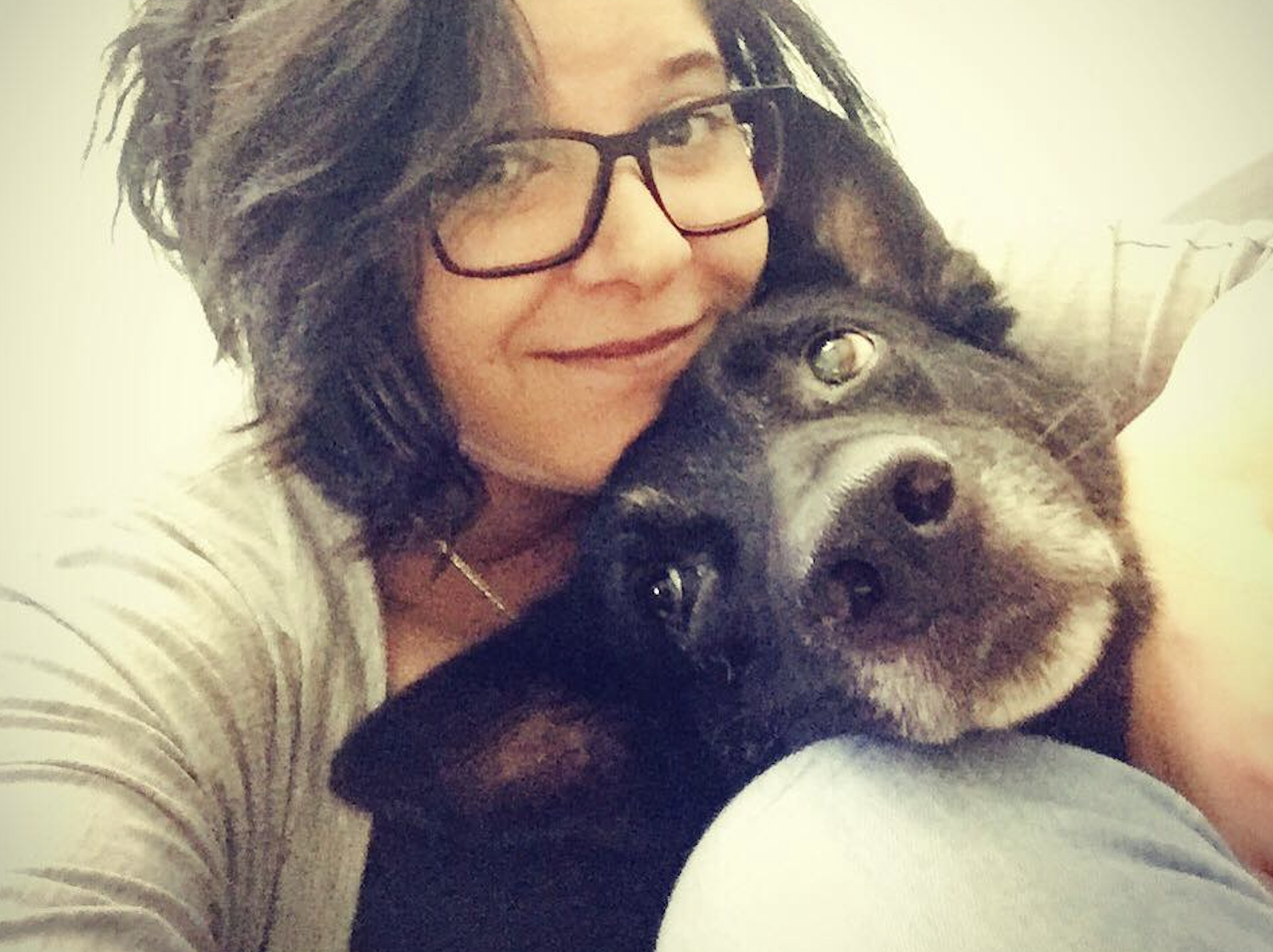
Now that Vhagar is a senior. I am now the personal nurse, chef, and physical therapist for a very large, very lazy, and very distinguished piece of snoring, antique furniture. His idea of a wild afternoon is moving from his bed to the couch.
It’s a hilarious and deeply touching transition. The chaos has been replaced by a quiet, profound companionship. This guide is for every owner who is making that same beautiful, bittersweet shift from guardian to caregiver.
When is My Dog Considered a Senior?
There is no single magic number. A dog’s entry into their senior years depends almost entirely on their breed and size.
| Size Classification | Weight (Approximate) | Age Range for “Senior” Status |
| Small Breeds | Under 9 kg (20 lbs) | 10-12 years |
| Medium Breeds | 9−23 kg (21-50 lbs) | 8-10 years |
| Large Breeds | 23−41 kg (51-90 lbs) | 7-8 years |
| Giant Breeds | Over 41 kg (90 lbs+) | 5-6 years |
The most important step you can take is to start twice-yearly vet check-ups once your dog enters their senior range. This allows your vet to catch age-related issues early.
How Should My Senior Dog’s Needs Change?
1. What Should I Feed My Senior Dog?
An older dog’s metabolism slows down, and their nutritional needs change.
- Fewer Calories: Senior dogs are less active and prone to obesity, which puts immense strain on their joints. Switch to a high-quality senior-specific dog food, which is formulated with fewer calories.
- Higher Fiber: Senior formulas are often higher in fiber to help with digestive health and prevent constipation.
- Joint Support: This is crucial. Look for foods that contain glucosamine and chondroitin, which are supplements that support aging joints and help with arthritis.
2. How Should My Senior Dog’s Exercise Routine Change?
The goal is to switch from high-impact fun to low-impact consistency.
- Shorter, More Frequent Walks: Instead of one long, grueling hike on the weekend, opt for two or three shorter, gentle walks each day.
- Low-Impact is Key: Activities like swimming are fantastic as they are non-weight-bearing and easy on the joints.
- Watch for Cues: Pay close attention to your dog. If they start to pant heavily, slow down, or seem stiff, it’s time to end the session.
3. How Can I Make My Home More Comfortable for My Senior Dog?
Small changes can make a huge difference in their daily comfort.
- An Orthopedic Bed: This is the best investment you can make. A thick, memory-foam orthopedic bed provides crucial support for their arthritic joints and prevents sores.
- Rugs and Runners: Hardwood and tile floors are like an ice rink for an older dog with weak or stiff legs. Placing non-slip rugs and runners provides the traction they need to walk confidently without fear of slipping.
- Ramps: A ramp for getting into the car or onto the couch can be a lifesaver, preventing the painful impact of jumping.
- Raised Bowls: Elevating their food and water bowls can make eating and drinking much more comfortable, especially for large dogs with neck or back stiffness.
What Are Common Health Problems in Older Dogs?
Arthritis: The most common ailment. Signs include stiffness (especially after waking up), reluctance to climb stairs, and difficulty getting up.
Dental Disease: Years of plaque buildup can lead to painful gum disease, infections, and tooth loss.
Kidney and Heart Disease: These are common age-related conditions. Signs of kidney disease include a dramatic increase in drinking and urination.
Cancer: The risk of cancer increases significantly with age. Be vigilant for any new or unusual lumps, bumps, or sudden weight loss.
Vision and Hearing Loss: A gradual loss of sight and hearing is normal. Your dog may be more easily startled, so be sure to approach them from the front.
Canine Cognitive Dysfunction (CCD): This is the dog equivalent of Alzheimer’s. Symptoms can include disorientation (getting “stuck” in corners), a change in sleep patterns (restless at night), house soiling, and a lack of interest in interaction.
Does My Senior Dog Still Need Mental Stimulation?
Yes, absolutely! Keeping their mind active is just as important as keeping their body active. A bored senior dog can decline more quickly.
Puzzle Toys and Snuffle Mats: Food-dispensing puzzle toys provide a gentle and rewarding mental workout.
Short, Simple Training Sessions: Practice basic commands. The “old dog, new tricks” saying is a myth!
Gentle Games: A calm game of “find the treat” can keep their senses sharp.
Senior Dog Care FAQ
A dog’s senior status depends on breed size rather than a single universal age. Small breeds under 9 kg become senior around 10 to 12 years, while giant breeds over 41 kg reach that threshold as early as five years old. Size directly influences metabolic rate and the overall pace of aging.
Senior dogs need fewer calories due to a slower metabolism and reduced activity level, making a high-quality senior-formula food the correct switch. These formulas are typically higher in fiber for digestive health and include glucosamine and chondroitin to support aging joints. Caloric excess in senior dogs directly accelerates joint degeneration and obesity-related disease.
Senior dogs benefit most from shorter, more frequent walks rather than single long or high-intensity sessions. Low-impact activities such as swimming are ideal because they build strength without stressing arthritic joints. Watch closely for heavy panting, slowing down, or visible stiffness — these are clear signals that the session should end immediately.
Arthritis is the most prevalent condition, marked by stiffness after rest and reluctance to climb stairs. Kidney disease, heart disease, dental disease, cancer, and Canine Cognitive Dysfunction are the other most significant age-related conditions to monitor. Twice-yearly veterinary check-ups are the single most effective tool for catching these problems before they become severe.
Canine Cognitive Dysfunction is a progressive neurological condition in senior dogs functionally equivalent to Alzheimer’s disease in humans. Key signs include disorientation, getting stuck in corners, altered sleep cycles with nighttime restlessness, unprovoked house soiling, and a marked withdrawal from social interaction. There is no cure, but early veterinary management can slow its progression.
Orthopedic memory-foam bedding is the single most impactful investment for a senior dog’s joint health and daily comfort. Non-slip rugs prevent dangerous falls on hard floors, ramps eliminate harmful jumping, and raised bowls reduce neck and back strain at mealtimes. These small changes collectively produce a measurable improvement in quality of life.
Sources
- American Kennel Club
https://www.akc.org/expert-advice/health/when-is-my-dog-a-senior-dog/ - MSD Veterinary Manual
https://www.msdvetmanual.com/management-and-nutrition/nutrition-small-animals/nutrition-in-disease-management-in-small-animals - VCA Animal Hospitals
https://vcahospitals.com/know-your-pet/arthritis-in-dogs - The Spruce Pets
https://www.thesprucepets.com/senior-dog-dementia-signs-and-treatment-1117454 - American Veterinary Medical Association
https://www.avma.org/resources-tools/pet-owners/pet-care/senior-pet-care-faq


Leave a Reply