It’s a piece of “advice” that gets passed around in pet stores and online forums, a convenient justification for keeping a large animal in a small tank: “Don’t worry, they only grow to the size of their enclosure.” This is, without a doubt, one of the most dangerous, pervasive, and completely false myths in the reptile-keeping hobby. Ultimately, believing this leads to immense animal suffering. This guide will explore the hard truth about why this myth is so harmful and reveal what really happens when reptile stunted growth becomes a reality.
The “Tiny Shoes” Theory
My favorite piece of “well-meaning” advice I’ve ever heard is this myth. I find it fascinating because it operates on the same magical logic as believing that if you force a child to wear size 3 shoes their whole life, their feet will just decide to stay adorably tiny forever.
Of course, that’s not what happens. The feet don’t stop growing; instead, the bones just become painfully contorted, twisted, and deformed to fit the box you’ve put them in. This is exactly what happens with reptile stunted growth. Ultimately, their genetics have already pre-programmed their adult size. Therefore, the box you put them in doesn’t change their DNA; rather, it just tortures them as their body tries to follow its own biological instructions, consequentlyleading to a painful existence. Thus, this guide is dedicated to buying bigger shoes.

What Really Happens? The Truth About Reptile Stunted Growth in a Small Enclosure
A reptile’s growth is determined by genetics, diet, and proper care—not by the physical barriers of its tank. When confined to an undersized enclosure, a reptile does not simply stop growing. Instead, it suffers from a cascade of painful and often fatal health problems associated with reptile stunted growth.
Physical Deformities:
The reptile’s bones will attempt to continue their growth, but without space for proper development, this process becomes unnatural and painful. For instance, the spine can become kinked or curved. Limbs may fail to develop correctly. This stunting is irreversible, agonizing, and drastically shortens the animal’s life.
Stress and Psychological Damage:
Reptiles are intelligent creatures that need to engage in natural behaviors. In a cramped space, they are denied this basic enrichment. Consequently, this leads to chronic stress, which suppresses their immune system and can cause lethargy, aggression, and a “failure to thrive.”
Obesity and Organ Failure:
With no room to move or exercise, a reptile in a small enclosure will quickly gain a lot of unhealthy weight. This puts immense strain on its internal organs, particularly the liver and heart. As a result, it can lead to premature organ failure, another tragic outcome of improper housing that contributes to reptile stunted growth.
Inability to Thermoregulate:
This is a critical danger. Reptiles are ectothermic, meaning they must physically move between warm and cool areas to regulate their body temperature. A small tank cannot provide an adequate temperature gradient. Therefore, the animal is forced to be constantly too hot or too cold, which wreaks havoc on its digestion and immune system.
How Stunted Growth Affects Common Pets: A Prison, Not a Home
Let’s apply the painful reality of reptile stunted growth to the specific needs of popular pet reptiles.
What happens to a Bearded Dragon in a small tank?
A Bearded Dragon is an active lizard that needs a long temperature gradient. In a small tank (like a 20-gallon), they cannot properly thermoregulate. Furthermore, the lack of space causes stress and prevents the exercise needed to build a healthy skeletal structure, a key factor in stunting.
What about a Red-Eared Slider turtle?
An adult female Red-Eared Slider can reach the size of a dinner plate. In a cramped space, the massive amount of waste they produce quickly fouls the water, leading to illness. In addition, their shell and bones will not develop properly, a clear physical sign of reptile stunted growth.
Why is a small tank so bad for an Iguana?
Iguanas are the ultimate example. That cute little lizard is genetically programmed to become a 5-6 foot giant. Keeping one in a standard aquarium is an act of cruelty that guarantees a short life filled with the pain of reptile stunted growth and related illnesses.
Even a Leopard Gecko suffers?
Yes, even a small, terrestrial lizard needs adequate space. A Leopard Gecko must have a proper temperature gradient to digest its food and metabolize calcium. In a tiny enclosure, this is impossible, leading to a weaker immune system and a higher risk of health problems.
And a Chameleon?
A Chameleon’s world is vertical. A small enclosure not only restricts their natural climbing behavior but can also lead to the stagnant, humid air that makes them sick. The lack of proper exercise also contributes to poor muscular and skeletal health.
The Tragic Health Issues Caused by Reptile Stunted Growth
Improper housing that leads to stunting is the direct cause of many common and fatal health problems.
- Metabolic Bone Disease (MBD): A cramped space that prevents proper exercise can exacerbate MBD.
- Spinal Deformities: The most direct physical result of reptile stunted growth.
- Obesity and Fatty Liver Disease: A lack of exercise leads directly to these fatal conditions.
- Stress-Related Illnesses: A stressed reptile has a weak immune system, making it more prone to parasites and infections.
The Golden Rule: Research the Adult Size
The single most responsible thing you can do as a potential reptile owner is to research the full adult size of the animal before you buy it. Consequently, you must be able and willing to provide an enclosure that is suitable for that adult size. If, however, you cannot accommodate a 6-foot Iguana or a 125-gallon turtle tank, then you must choose a different pet. Your pet’s lifelong health and freedom from reptile stunted growth depend entirely on the research you do before you even bring it home.
Reptiles Stunted Growth FAQ
Reptiles never grow to the size of their enclosure, despite this dangerous myth circulating in pet stores worldwide. Genetics determine adult size, while small tanks cause stunted growth, spinal deformities, and organ failure. The body attempts to follow its biological programming and suffers physically when space prevents proper development.
Stunted growth in reptiles cannot reverse once skeletal deformities, spinal kinks, and organ damage develop. Improved housing slows further harm and improves quality of life moderately. The animal continues living with permanent damage that shortens lifespan and requires lifelong veterinary support for ongoing health complications.
A small tank causes organ failure in reptiles through forced inactivity, obesity, and chronic stress accumulation. Lack of exercise creates fatty liver disease, while undersized space prevents proper thermoregulation needed for digestion. The combined strain on liver, heart, and kidneys leads to premature organ failure across affected species.
A stunted reptile shows visible spinal curvature, asymmetric limb development, undersized adult dimensions, and persistent health problems. Soft shells in turtles, kinked tails in snakes, and twisted limbs in lizards signal advanced cases requiring immediate veterinary care. Compare your reptile’s measurements against documented adult species norms for verification.
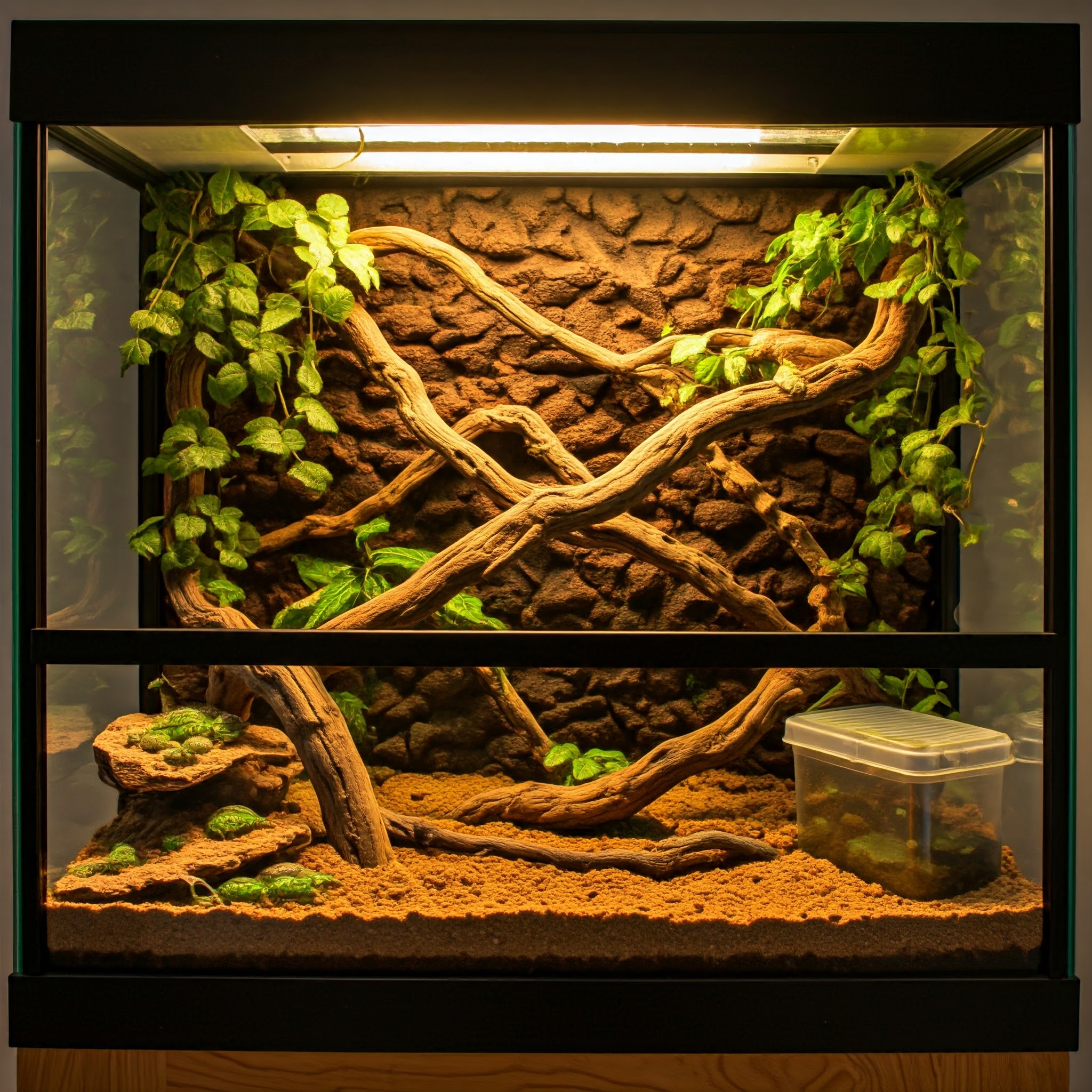
The smallest tank size for an adult Bearded Dragon measures 4 by 2 by 2 feet, equivalent to a 120-gallon enclosure. Smaller tanks prevent proper temperature gradients and exercise needs. Larger 4 by 2 by 4 setups improve welfare significantly through vertical climbing space and enriched environmental complexity.
Iguanas absolutely grow to 5 to 6 feet in total length, with most of the size coming from their long whip-like tails. Their genetic programming demands this size regardless of enclosure dimensions. Keeping iguanas in standard aquariums causes guaranteed stunted growth, spinal deformity, and significantly shortened painful lifespan.
Pet stores spread the “grows to tank size” myth to sell more animals to unprepared buyers without proper equipment. The convenient lie shifts responsibility away from the seller during impulse purchases. Profit-driven retail operations rarely train staff in accurate husbandry, perpetuating the harmful misconception across generations of new keepers.
Adult Red-Eared Sliders need 280 to 480 liters of water depending on sex, with females requiring the larger end. The 10 gallons per inch of shell rule applies throughout their lives. Cramping a fully grown female slider into anything below 380 liters guarantees water quality crises and chronic health decline.
Sources
- Scientific American
https://www.scientificamerican.com/article/the-myth-of-growth-and-enclosure-size/ - MSD Veterinary Manual
https://www.msdvetmanual.com/exotic-and-laboratory-animals/reptiles/management-of-reptiles - VCA Animal Hospitals
https://vcahospitals.com/know-your-pet/metabolic-bone-disease-in-reptiles - The Spruce Pets
https://www.thesprucepets.com/red-eared-slider-care-tank-size-1238387 - Association of Reptilian and Amphibian Veterinarians (ARAV)
https://arav.org/iguana-housing-standards/
Leave a Reply
You must be logged in to post a comment.