
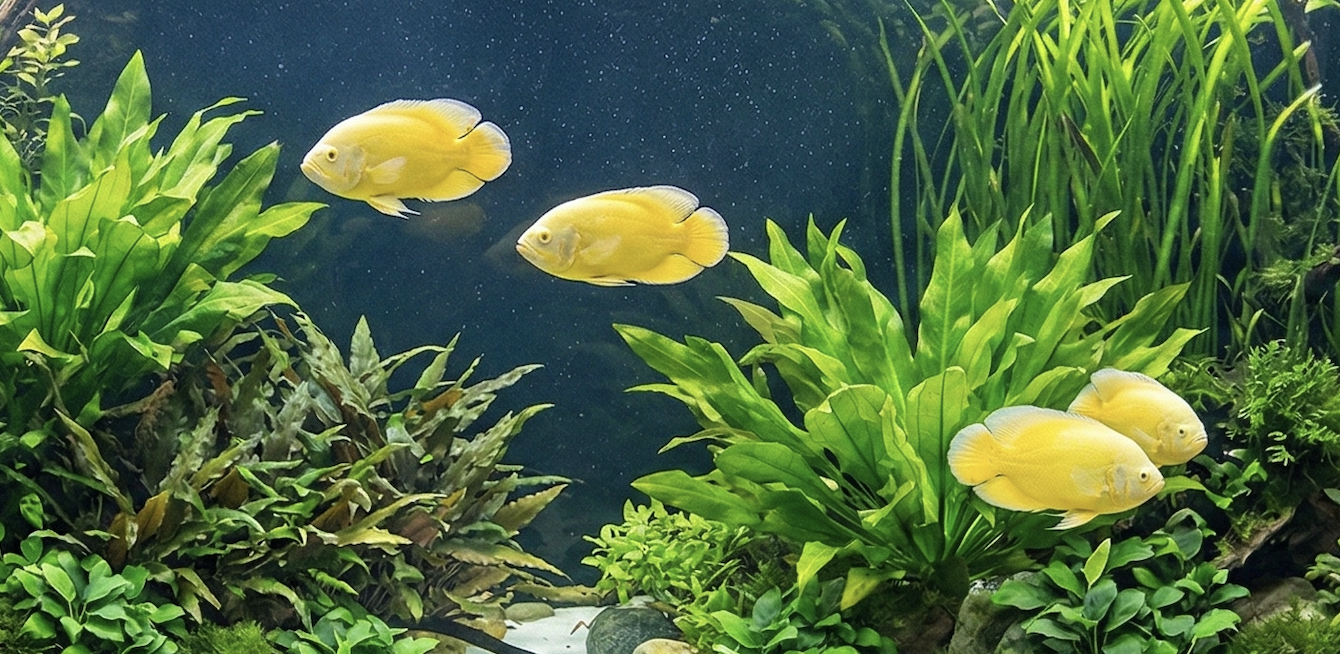
The Lemon Oscars represent a stunning and relatively uncommon color morph of the classic Oscar (Astronotus ocellatus). Specifically, this variety features a vibrant yellow to deep gold hue that distinguishes it from common red varieties. Furthermore, it combines the legendary “water dog” personality with a unique visual aesthetic. In fact, their care is every bit as demanding as any other color morph within the species. Consequently, I reject the assumption that their unique color makes them more delicate or small. Therefore, this guide provides the technical precision required for their successful maintenance.
Are Lemon Oscars good pets for beginners?
No, Lemon Oscars are strictly an expert level commitment that requires significant technical infrastructure. Specifically, their massive adult size and aggressive nature make them unsuitable for novice keepers. Furthermore, the immense filtration required to handle their waste is often beyond the scope of a first-time setup. In fact, a beginner will likely struggle with the rapid decline in water quality associated with large cichlids. Consequently, they are a poor choice for anyone starting with a standard sized tank. Therefore, I prioritize experienced owners for their survival.
How large do Lemon Oscars grow and how long do they live?
Lemon Oscars unique coloration has no bearing on their physical dimensions or biological longevity. Specifically, a healthy Lemon Oscars will reach an adult size of twelve to fourteen inches. Furthermore, they are true long-term companions that live for ten to fifteen years in stable environments. In fact, they represent a commitment on par with a family dog or cat. Consequently, providing a high volume system is mandatory to support their full lifespan. Therefore, I recommend planning for a massive adult specimen from day one to avoid stunted growth.
What is the temperament of Lemon Oscars?
Lemon Oscars possess the exact same interactive, moody, and intelligent personality that makes the species famous. Specifically, they will bond deeply with their owners and learn to recognize individual human faces. Furthermore, they will beg for food with theatrical displays at the front of the aquarium glass. In fact, they are also highly territorial and semi aggressive toward any fish that invades their kingdom. Consequently, they will dominate their environment and consume any smaller residents. Therefore, I recommend consistent interaction to support their complex mental well-being.
What is the absolute minimum tank size?
A 75 gallon aquarium is the absolute analytical minimum for a single adult specimen. Specifically, a 125 gallon tank is far superior for maintaining a stable nitrate to oxygen ratio. Furthermore, their powerful bodies require significant horizontal swimming room to prevent skeletal deformities. In fact, restricted environments cause chronic stress and suppress their immune systems. Consequently, horizontal footprint is more critical than vertical height for this species. Therefore, I prioritize a four to six foot tank length for adult specimens to ensure they can turn comfortably.
What type of filtration and setup is required for Lemon Oscars?
You require massive, oversized filtration because these fish are notoriously messy and destructive. Specifically, a large canister filter rated for twice your tank size is a mandatory requirement. Furthermore, they are famous for “redecorating” and will move any objects that are not heavy or secured. In fact, you should use only large river stones and smooth driftwood to prevent physical injuries. Consequently, you must avoid live plants as they will be uprooted or consumed overnight. Therefore, I prioritize industrial-strength mechanical filtration for their health.
What are the ideal water parameters and diet?
Lemon Oscars thrive in stable, warm water between 76°F and 82°F with zero ammonia and nitrite. Specifically, to make a Lemon Oscar yellow color vibrant, their diet must be rich in xanthophylls. Furthermore, the foundation of their diet must be a high quality, large sized cichlid pellet. In fact, you can supplement their meals with krill to deepen the yellow into a golden orange hue. However, you must avoid live “feeder fish” as they are primary vectors for dangerous diseases. Consequently, large weekly water changes of 50% are mandatory.
What is Hole-in-the-Head disease and why do they sulk?
Hole-in-the-Head (HITH) presents as eroding pits on the head and lateral line. Specifically, high nitrate levels and poor water quality cause this clinical condition. Furthermore, Oscars are famous for “sulking” on their sides when they feel stressed or unhappy. In fact, this dramatic behavior is typically a response to a change in the environment or a late feeding. Consequently, you must differentiate between moody behavior and clinical illness through water testing. Therefore, I prioritize water chemistry as the primary health diagnostic tool.
What defines the “Lemon” variation of the Oscar?
The Lemon variety is a selectively bred color morph characterized by its bright yellow pigmentation. Specifically, it is a form of xanthochromism, which results in a solid gold covering over the body. Furthermore, its care and temperament remain identical to other short finned varieties like the Red Oscar. In fact, high quality specimens are prized for their solid, unbroken wall of sunshine-like color. Consequently, they are a purely aesthetic variation of the original species. Therefore, I categorize them as a “designer” cichlid.
Which tank mates are compatible with Lemon Oscars?
Keeping a solitary Lemon Oscars is often the safest and most rewarding strategy for the keeper. Specifically, housing them with others requires a massive system of 125 gallons or more. Furthermore, you need tank mates that are large and robust, such as Silver Dollars or common plecos. In fact, any fish small enough to fit in an Oscar’s mouth will eventually be eaten. Consequently, success in a community setup is never guaranteed due to individual personalities. Therefore, I recommend avoiding any fish that cannot defend itself from their territorial pushiness.
Lemon Oscar Fish FAQ
A single Lemon Oscar requires a minimum of 75 gallons to thrive. These fish are swimming waste factories that will crash a smaller nitrogen cycle within days. Upgrade to a 125-gallon aquarium if you intend to keep a pair or include other large, high-bioload tank mates.
Feed your Lemon Oscar high-quality floating pellets supplemented with frozen krill and silversides. Offer live crickets or earthworms to satisfy their natural predatory instincts and maintain their bright yellow pigmentation. Avoid cheap feeder fish because they frequently carry parasites that can kill your prized cichlid.
Lemon Oscars are highly territorial and will bully any fish small enough to fit in their mouths. Keep them with robust tank mates like silver dollars, large plecos, or other South American cichlids. Provide plenty of hiding spots to reduce aggression and prevent lethal physical confrontations.
Lemon Oscars are incredibly fast growers that can reach ten inches within their first year. Maintain strict water change schedules to support this rapid physical development and prevent stunted growth. Providing a large footprint early ensures they reach their full fourteen-inch potential without skeletal deformities.
Fading color usually indicates poor water quality, high stress, or a nutrient-deficient diet. Test your parameters for ammonia spikes and increase the frequency of your water changes immediately. Feeding high-carotene foods like krill or specialized pellets helps restore and maintain their signature bright yellow hue.
Sources
- Wikipedia
https://en.wikipedia.org/wiki/Oscar_(fish) - University of Florida – IFAS
https://edis.ifas.ufl.edu/publication/FA158 - FishBase
https://www.fishbase.se/summary/Astronotus-ocellatus.html - Aquarium Source
https://www.aquariumsource.com/oscar-fish-care/


Leave a Reply