
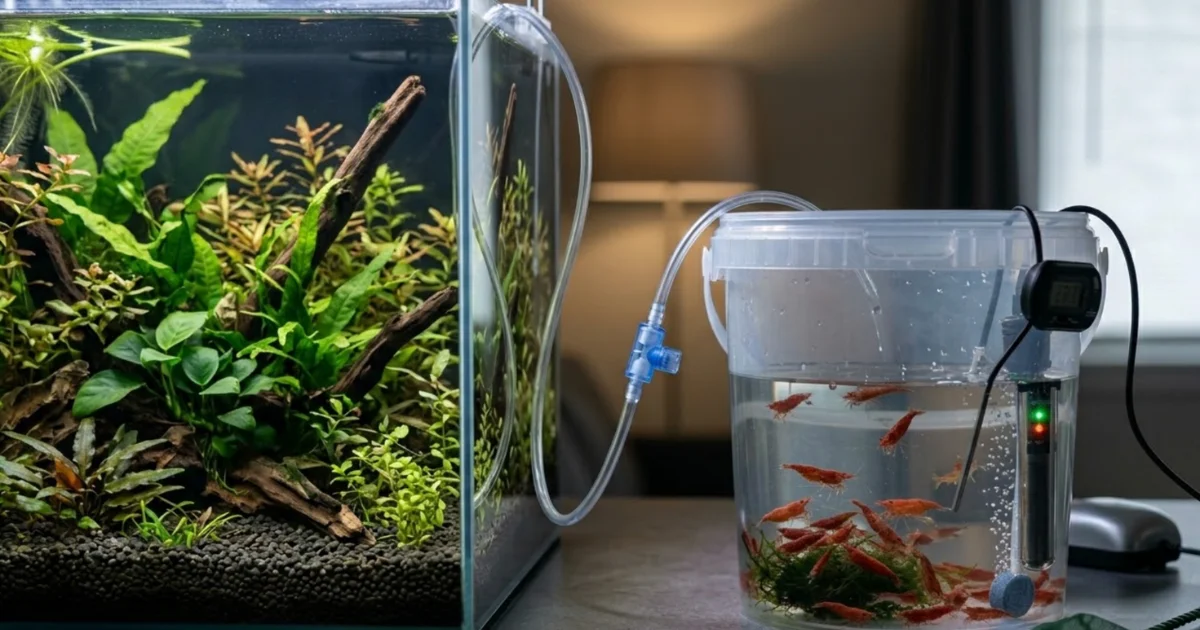
Drip Acclimation is a highly controlled method for equalizing complex water chemistry slowly. Specifically, this popular technique prevents lethal osmotic shock. Furthermore, it matches temperature, pH, and salinity precisely before introduction. This guide will teach you executing this biological transition safely. Therefore, mastering this procedure requires absolute dedication to complex water parameters. Ultimately, proper execution saves delicate aquatic lives.
What is Drip Acclimation?
In fact, You use a simple airline tube siphon. Specifically, you slowly drip pristine aquarium water into a separate bucket. This separate container holds your newly purchased fish. Additionally, it retains their original shipping water during the process. The gradual influx of new water alters the chemical environment safely. Thus, your aquatic pets slowly adjust their internal osmoregulation without suffering trauma.
When is Drip Acclimation Necessary?
You must use this method for highly sensitive invertebrates. Specifically, delicate freshwater dwarf shrimp possess extremely fragile biological systems. Furthermore, these aquatic pets demand absolute chemical stability constantly to survive. Crucially, expensive wild caught fish often require highly specific, slow transitions. Consequently, exposing these fragile animals to sudden pH swings triggers shock. Therefore, managing their health demands a highly specialized transfer process immediately. Aquarists must research their specific species thoroughly before purchasing.
How Long Does Drip Acclimation Take?
Evidently, the entire process generally takes between 30 and 60 minutes. Specifically, rushing the process within 10 minutes negates the equalization benefits. Moreover, extending the procedure beyond two hours risks severe temperature drops. Consequently, you must monitor the entire timeline to prevent disasters. Therefore, setting a strict digital timer actively prevents dangerous neglect. As a result, striking the perfect balance ensures maximum survival rates.
What is the Ideal Drip Rate?
You should regulate the physical flow to two drops per second. This deliberate pace prevents sudden pH swings within the temporary bucket. Using a small plastic control valve dials the speed perfectly. Alternatively, tying a loose knot in the airline tubing restricts flow efficiently. You must visually confirm the rate constantly throughout the procedure. Thus, proper mechanical restriction absolutely ensures a perfectly safe chemical transition.
Should the Lights Be On or Off?
You must absolutely turn off all aquarium lights. Specifically, sudden bright illumination causes severe panic for terrified aquatic species. Moreover, newly shipped fish frequently arrive from completely dark cardboard boxes. Consequently, blasting them with intense LED fixtures guarantees violent thrashing. Therefore, maintaining a heavily subdued environment calms their nervous systems. Darkness serves as a powerful tool for reducing stress.
How Much Water Completes Drip Acclimation?
You must continue dripping until the original water volume doubles. Specifically, once the container holds twice the starting liquid, discard half immediately. You should restart the siphon and repeat this doubling process. This mathematical dilution ensures the bucket water matches your display. Therefore, skipping this secondary step leaves dangerous traces of original chemistry.
Is Drip Acclimation Required for All Fish?
Extremely hardy fish often suffer unnecessarily during prolonged bucket transfers. Species like zebra danios possess highly adaptable biological systems. These tough fish handle sudden parameter shifts better. Consequently, using basic floating methods work perfectly well for them. Therefore, forcing a fish through a fragile protocol wastes valuable time. As a result, you must tailor your introduction technique to the exact species.
Should I Pour the Shipping Water Into My Tank?
Obviously, you must never pour contaminated shipping water into your main aquarium. This foul liquid frequently harbors deadly microscopic parasites. Furthermore, commercial facilities heavily dose their holding systems with copper medications. Consequently, dumping this poisoned water directly destroys your delicate biological filtration. Therefore, you must use a soft net to lift the fish out. Ultimately, discarding the dirty transit liquid absolutely protects your established ecosystem.
What is the “Plop and Drop” Method?
This aggressive method involves floating the sealed bag briefly. The aquarist then immediately nets the fish for direct transfer. Moreover, many experienced hobbyists use this technique to rescue fish. Consequently, prolonged shipping causes massive waste buildup that turns lethal quickly. As a result, this rapid method prioritizes escaping ammonia over matching pH.
Required Equipment for Drip Acclimation
You require a clean plastic bucket dedicated solely to aquariums. Specifically, you need standard airline tubing and a simple plastic control valve. A soft fish net prevents terrible physical injuries during transfers. You must never use buckets previously contaminated with household detergents. Therefore, purchasing a cheap commercial acclimation kit simplifies the mechanical setup.
How Does Drip Acclimation Cause Ammonia Traps?
Evidently, sealed bags quickly accumulate heavy carbon dioxide from normal respiration. This trapped carbon dioxide naturally lowers the pH. Furthermore, this acidic environment renders excreted ammonia completely harmless to fish. Opening the bag immediately off gasses the CO2 and raises pH. Therefore, this sudden chemical shift turns harmless ammonium into lethal ammonia. As a result, slow dripping actually tortures fish by trapping them in poison.
Can Drip Acclimation Cause Fatal Temperature Drops?
A tiny volume of dripping water rapidly loses heat. The bucket water quickly drops to match your freezing air conditioning. Furthermore, this slow chilling process completely ruins the initial temperature equalization. Consequently, transferring a chilled fish into a warm tank guarantees immune shock. Therefore, you must employ a miniature submersible heater inside the bucket. Temperature monitoring absolutely prevents fatal thermal disasters during transfers.
Does Drip Acclimation Threaten Oxygen Levels?
In fact, a crowded bucket quickly loses dissolved oxygen during prolonged attempts. Large fish quickly exhaust the available breathable air in stagnant water. Moreover, the slow drip rate fails to provide adequate surface agitation. Consequently, you must strictly limit the timeframe to prevent terrible suffocation. Therefore, using a tiny air stone actively replenishes vital oxygen levels safely. Balancing oxygen needs against chemical transitions absolutely ensures survival.
Sources
- Reeftopia
https://reeftopia.com.au/acclimation-guide/ - Advanced Aquarium Concepts
https://advancedaquariumconcepts.com/how-to-acclimate-fish/ - Buce Plant
https://buceplant.com/blogs/aquascaping-guides-and-tips/7-easy-steps-to-drip-acclimate-shrimp-and-fish - LiveAquaria
https://www.liveaquaria.com/article/157/?aid=157 - Aquarium Co-Op
https://www.aquariumcoop.com/blogs/faqs/how-to-acclimate-new-aquarium-fish - Tropical Marine Centre UK
https://tropicalmarinecentre.com/uk/acclimation-tips - Flip Aquatics
https://flipaquatics.com/products/drip-acclimation-kits


Leave a Reply