
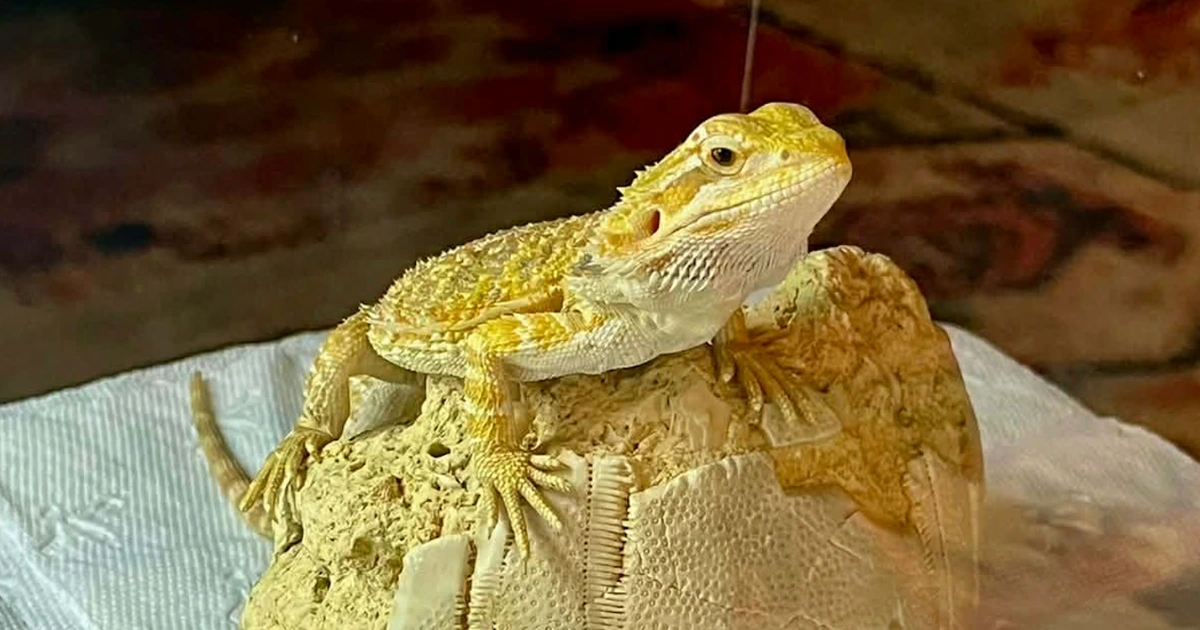
The Central Bearded Dragon (Pogona vitticeps) is arguably the most popular pet lizard on the planet, and for good reason. They are hardy, handleable, and packed with a personality that is impossible not to love. But these tiny dinosaurs have specific needs that mimic their native Australian sun, and providing that is the key to a long and happy life together.
Are Bearded Dragons the ultimate choice for a beginner?
The bearded dragon is frequently cited as the premier choice for a novice reptile keeper. Specifically, their docile temperament and hardy nature make them exceptionally forgiving during the learning process. Furthermore, their requirements are extensively documented within the herpetological community. Consequently, beginners can easily find evidence-based solutions for common husbandry challenges. Therefore, they serve as the perfect species to master the fundamentals of reptilian health. In fact, their interactive personalities often bridge the gap between hobbyists and scientific study.
What is the realistic lifespan and adult size of a Bearded Dragon ?
Providing a home for a bearded dragon involves a significant ten to fifteen-year commitment. Specifically, these medium-sized lizards reach a total length of sixteen to twenty-four inches. Furthermore, their size requires an enclosure that can accommodate their active nature. Consequently, you must plan for a long-term presence in your living space. Therefore, this commitment is comparable to owning a domestic dog or cat. As a result, many keepers find that these dragons become central members of their households.
Why is solitary housing a biological necessity for a Bearded Dragon?
The bearded dragon is a strictly solitary animal that does not benefit from companionship. Specifically, housing two individuals together creates chronic stress and physical danger. Furthermore, males will engage in violent combat for territorial dominance. Consequently, even a male and female pair will suffer from overbreeding and resource competition. Therefore, you must provide a dedicated 120-gallon enclosure for every individual. In fact, isolation is the only way to ensure your pet remains safe and stress-free.
What are the modern standards for heating and lighting?
Proper lighting is the most critical and non-negotiable aspect of bearded dragon husbandry. Specifically, you must provide a high-output T5 HO UVB tube light to prevent Metabolic Bone Disease. Furthermore, this light allows the animal to synthesize Vitamin D3 for calcium metabolism. Consequently, you must also provide a basking spot that reaches 95–105∘F (35–40∘C). Therefore, a reliable thermostat is essential to prevent lethal overheating. In fact, without intense UVB, your dragon will suffer from soft, rubbery bones and permanent deformity.

How does the diet of a bearded dragon evolve with age?
The nutritional needs of a bearded dragon undergo a dramatic shift as they mature. Specifically, juveniles require a diet consisting of 80% live insects to support rapid growth. Furthermore, adults must transition to 80% fresh vegetables to maintain organ health. Consequently, staple greens like collard and mustard greens are essential for hydration and vitamins. Therefore, you must gut-load all feeder insects with nutritious food for 24 hours before feeding. As a result, your dragon receives a concentrated dose of vitamins through its prey.
What do common behaviors like black bearding and arm waving mean?
A bearded dragon utilizes complex body language to communicate its internal state. Specifically, a black beard indicates intense arousal, fear, or territorial aggression. Furthermore, head bobbing is a primary display of dominance used to ward off rivals. Consequently, slow arm waving is a submissive signal often used by juveniles or females. Therefore, these behaviors allow the keeper to analyze the dragon’s comfort levels. In fact, understanding this language is vital for successful taming and long-term interaction.
Which species variations and morphs should a keeper avoid?
While many color morphs like “Hypo” or “Zero” are healthy, others raise significant ethical concerns. Specifically, the “Silkback” morph is bred to have no scales at all. Furthermore, these animals lack the protective barrier required to prevent dehydration and UV burns. Consequently, they are extremely delicate and often suffer from chronic health issues. Therefore, ethical hobbyists usually prioritize the health of standard or “Leatherback” variations. In fact, selecting a robust animal is the first step toward a successful keeping experience.
Bearded Dragon Care FAQ
Yes — they are the premier beginner reptile for good reason. Their docile temperament, hardy constitution, and extensively documented care requirements make them exceptionally forgiving during the learning process. Their interactive personalities also make them one of the most rewarding reptiles to keep long-term.
A healthy Bearded Dragon lives 10–15 years and reaches 16–24 inches at full adult size. This is a decade-plus commitment comparable to owning a dog or cat. Plan for a 120-gallon enclosure and a long-term presence in your household from day one.
No — they are strictly solitary animals. Housing two individuals together causes chronic stress, territorial combat between males, and dangerous overbreeding between mixed pairs. Every Bearded Dragon requires its own dedicated enclosure. There are no exceptions to this rule.
Black bearding signals intense arousal, fear, or territorial aggression. Head bobbing indicates dominance display. Slow arm waving is a submissive signal used by juveniles and females. Learning this body language is essential for understanding your dragon’s comfort levels during handling.
Diet changes dramatically with age. Juveniles need 80% live insects to fuel rapid growth. Adults require 80% fresh leafy greens — primarily collard and mustard greens — for organ health. All feeder insects must be gut-loaded for 24 hours before being offered to the dragon.
Sources
- VCA Animal Hospitals
https://vcahospitals.com/know-your-pet/bearded-dragons-feeding - Reptile Magazine
https://reptilesmagazine.com/bearded-dragon-care-sheet/
Leave a Reply
You must be logged in to post a comment.