
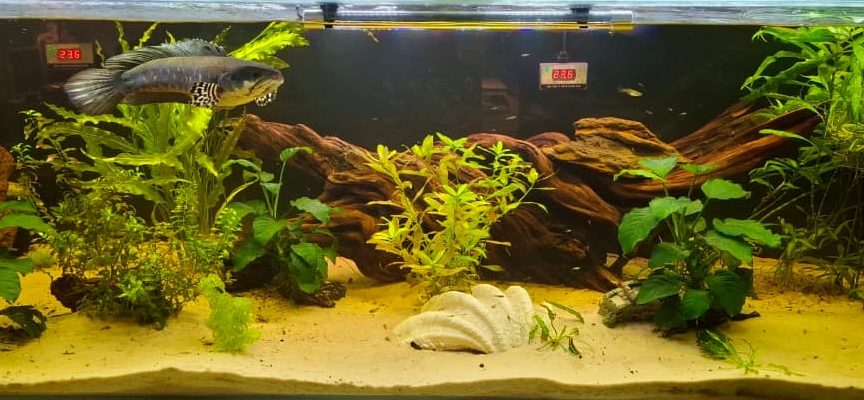
I remember looking at my first “proper” aquarium. I had the filter humming, the heater set, and the fish swimming around in their clean, clear glass box. It was nice, but it felt… sterile. It was a container for fish, not a world. Then I bought my first piece of driftwood. Of course, it spent the first week stubbornly floating at the top like a defiant wooden cork, completely ignoring my pleas to sink. But once it finally settled on the bottom, the entire tank changed. Suddenly, it wasn’t just a tank anymore. It was a sunken forest that had shadows, depth, and history. It was the moment I realized I wasn’t just keeping fish; I was building a world for them.
That one gnarled piece of wood was the most important decoration I ever bought, because it taught me that the best “decorations” are the ones that bring a piece of the real, natural world into our homes. Driftwood, the weathered remains of trees and branches. It has become a popular addition to aquariums for both its aesthetic appeal and practical benefits. It offers a unique, natural look that can transform your tank into a captivating underwater landscape. This guide is for anyone ready to find the perfect “stick” for their own world.
Where to Find It ?
You can find it in various places, including Rivers, lakes, and coastlines are common sources of driftwood. However, it’s important to collect it responsibly and ensure it’s free from harmful chemicals and parasites. Also, Many pet stores and online retailers sell pre-treated driftwood that’s safe for aquariums.
How to Prepare Driftwood for my Aquarium?
Before adding it to your tank, it’s crucial to prepare it properly. First, Thoroughly clean it to remove debris, dirt, and any harmful substances. Scrub it with a brush and hot water. Then, Soak it in a large container of water for several weeks, changing the water regularly. This process helps leach out tannins and other substances that can discolor the water. Finally, Boil it for a short period can help speed up the leaching process and kill any potential parasites.
What are the benefits of putting driftwood in a fish tank?
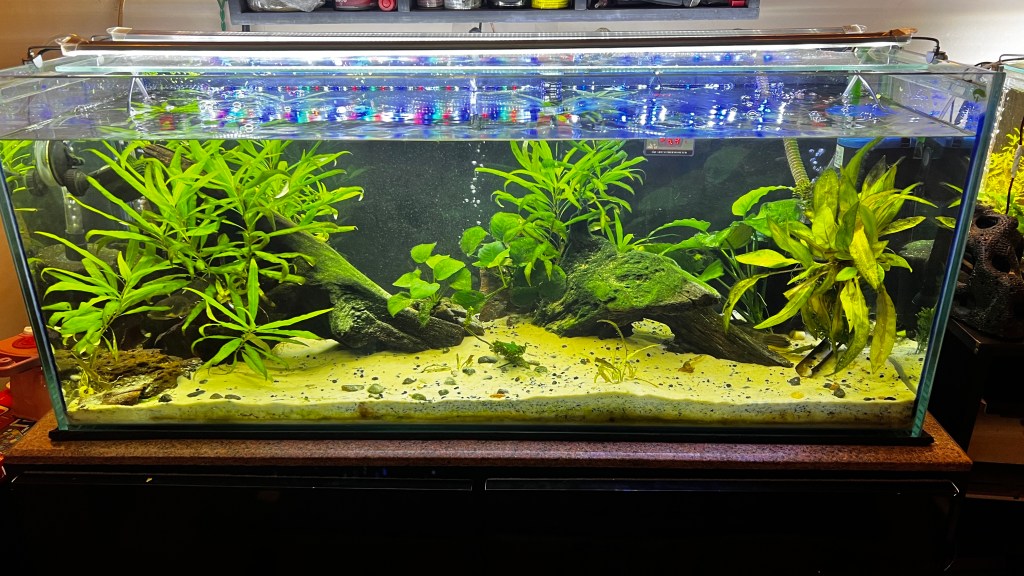
Driftwood offers several advantages for your aquarium. It adds a natural, organic look to your tank, creating a visually appealing environment for your fish. Driftwood releases compounds (tannins) and provides a surface for beneficial bacteria (biofilm) to grow. These bacteria consume nutrients, but the wood itself does not suck them up. Also, it helps lower the pH level of your aquarium water, which is beneficial for certain fish species. it also provides hiding spots, breeding sites, and foraging opportunities for your fish. Some fish, such as certain species of catfish, use driftwood as a substrate for spawning.
Will tannins from driftwood harm my fish?
While it offers many benefits, there are a few potential drawbacks to consider. First is Water Discoloration. Leaching tannins can discolor the water, creating a tea-like appearance. This is often considered aesthetically pleasing by many aquarists, but it can be undesirable for some. Second thing to consider is pH Fluctuations. In some cases, it can cause significant pH fluctuations, which may not be suitable for all fish species. And finally, Potential for Disease. If not properly cleaned and prepared, driftwood can introduce parasites and diseases into your aquarium.
What kind of wood is safe to put in a fish tank?
Malaysian Driftwood: Known for its dark color and ability to lower pH.
Mopani Wood: A durable and attractive type of driftwood that is often used in aquascaping.
Manzanita Wood: This type of driftwood is often a rich, deep reddish-brown. It is only “light” (beige/blonde) if it has been sandblasted or sun-bleached. If you are looking for a naturally pale wood, Spider Wood (Azalea root) is the more common example.
How to choose Driftwood for my Aquarium?
When selecting driftwood for your aquarium, consider the following factors.
Size and Shape: Choose driftwood that fits the size of your tank and complements your desired aquarium layout.
Wood Type: Different types of wood have different properties, so choose one that suits your specific needs.
Condition: Ensure the driftwood is clean, free from parasites, and properly prepared.By carefully selecting and preparing it, you can enhance the beauty and health of your aquarium.
Aquarium Driftwood FAQ
Scrub the wood thoroughly with a stiff brush and hot water to remove all surface dirt and debris. Soak it in a large container for two to four weeks, changing the water every two to three days. This leaching process removes tannins and reduces residual organic material before the wood enters your tank.
Driftwood releases tannins into the water, which gradually lower the pH over time. This effect benefits fish from soft, acidic habitats like South American tetras, discus, and Corydoras. The pH drop is mild in large, well-filtered tanks but more pronounced in smaller or lightly filtered systems.
Driftwood releases tannins that stain aquarium water a yellow or tea-brown color. This is harmless to fish and mimics the blackwater environments of the Amazon Basin and Southeast Asia. Aquarists who dislike the tint can reduce it by soaking the wood longer before adding it to the tank.
Malaysian driftwood, Mopani wood, and Manzanita wood are the most widely used and safest options for aquariums. Spider wood (azalea root) is a popular choice for aquascaping due to its intricate branching structure. Always avoid wood treated with pesticides, paints, or unknown coatings, as these leach toxins directly into the water.
Most pieces require two to four weeks of soaking in a large container before they are ready for the tank. Larger, denser pieces like Mopani wood may need up to six weeks of soaking. Change the soaking water every two to three days to speed up tannin removal and monitor clarity.
Unprepared driftwood can introduce parasites, mold, bacteria, and toxic compounds into the water, posing a direct risk to fish health. Wood collected from outdoors is particularly dangerous unless cleaned, soaked, and boiled before use. Commercially sold aquarium driftwood is pre-treated and significantly safer than wood sourced from rivers, lakes, or coastlines.
Driftwood surfaces develop a thin biofilm of beneficial bacteria that contributes to biological filtration in the tank. This microbial layer processes organic waste and helps stabilize water chemistry over time. The wood itself does not absorb nutrients but provides an excellent colonization surface for the bacteria that do.
Sources
- Aqua-Fish.Net
- Tannin Aquatics (The Role of Wood in Aquariums)
- Rate My Fish Tank (Driftwood Types & Preparation)
- INJAF (Guide to Aquarium Wood Safety)
- Aquarium Science (Wood Myths & Safety)


Leave a Reply