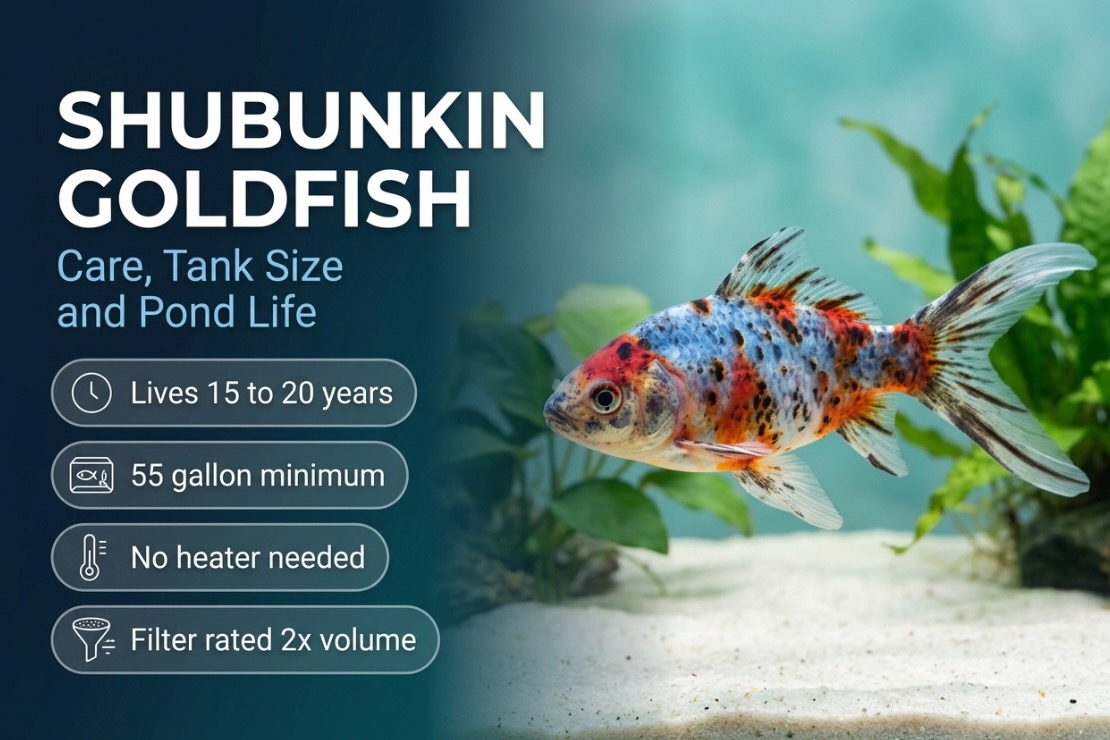
The Shubunkin Goldfish represents a unique genetic intersection within the Carassius auratus species. Specifically, this variety is prized for its calico patterning and streamlined, athletic body. Furthermore, they are often misunderstood as “disposable” pets for small bowls. In fact, their biological requirements for space and filtration are quite significant. Consequently, I reject the assumption that they are “easy” for the unprepared beginner. Therefore, this guide provides the purely analytical evidence required for their stewardship. As a result, you will foster a healthy, multi-decade companion.
The Shubunkin Goldfish (Carassius auratus) shares the same iron clad constitution as its single tailed cousins, but its unique calico pattern makes it a true standout. To provide for this fish is to give a living painting the vast canvas it needs to truly shine.
Are Shubunkin Goldfish good pets for beginners?
This is a complex question because their durability often masks their significant environmental needs. Specifically, they can survive water quality mistakes that would be fatal to tropical species. Furthermore, their high metabolic waste production and size make them a poor choice for 20-gallon tanks. In fact, they are a fantastic beginner choice for an outdoor pond rather than a desktop aquarium. Consequently, they are only “easy” if the keeper provides adequate volume from the start. Therefore, I prioritize large scale housing for success.
How long do Shubunkin Goldfish live and how large do they get?

In a stable environment, a Shubunkin Goldfish represents a long term commitment of fifteen to twenty five years. Specifically, they grow into powerful, thick bodied giants reaching fourteen inches in length. Furthermore, you must ignore the myth that they “grow to the size of their tank.” In fact, restricted environments cause internal organ stunting and a painful, premature death. Consequently, they require significant horizontal swimming room to develop their skeletal structure. Therefore, I recommend planning for a foot-long fish immediately.
Are Shubunkin Goldfish social and do they need companionship?
These are highly social animals that thrive when kept in pairs or groups. Specifically, a single goldfish can survive, but it will remain reclusive and chronically stressed. Furthermore, they feel significantly more secure when shoaling with other single tail varieties. In fact, you will observe more active foraging and bold behavior in grouped fish. Consequently, isolation is a detriment to their psychological well-being. Therefore, I recommend keeping them with Comets or Common Goldfish.
Housing: Why is a bowl a death sentence?

Keeping a fish built for speed and endurance in an unfiltered bowl is an act of biological negligence. Specifically, a bowl lacks the surface area required for gas exchange and oxygenation. Furthermore, the absence of filtration leads to a toxic buildup of ammonia within hours. In fact, the fish is essentially swimming in a “toxic soup” of its own waste. Consequently, this leads to a slow and suffocating respiratory failure. Therefore, I categorize bowls as unsuitable for any living creature.
What is the minimum tank size and why is a pond ideal?

A 55-gallon aquarium is the absolute starting point for a single Shubunkin Goldfish. Specifically, a 75 gallon tank is far superior for maintaining stable water chemistry as they grow. Furthermore, an outdoor pond of at least 200 gallons is the ideal permanent home. In fact, ponds provide the vast swimming space that these athletes require. Consequently, a pond offers a more stable environment against seasonal temperature fluctuations. Therefore, I recommend pond housing for all adult Shubunkins.
How do you manage the massive waste production of the Shubunkin Goldfish?
You must utilize an oversized filtration system to process the high volume of ammonia they produce. Specifically, a canister filter rated for twice your tank size is a mandatory requirement. Furthermore, they do not require a heater because they are temperate, coldwater fish. In fact, they are hardy enough to survive cold winters in deep ponds. Consequently, high water movement is more beneficial than high heat. Therefore, I prioritize oxygen-rich water over tropical temperatures.
What kind of plants and diet are best for Shubunkin Goldfish?
Most aquatic plants will be treated as a “salad bar” by these omnivorous fish. Specifically, you should only use tough species like Anubias or Java Fern. Furthermore, the foundation of their diet must be a high quality sinking pellet. In fact, sinking foods prevent the ingestion of surface air during feeding. Consequently, this reduces the risk of bloating and buoyancy issues. Therefore, I recommend supplementing their meals with blanched spinach and kale. As a result, you support their digestive health.
How do you identify health issues in a Shubunkin Goldfish?

Signs of illness include lethargy, clamped fins, and gasping at the water surface. Specifically, red streaks in the fins (septicemia) are often a direct result of poor water quality. Furthermore, ammonia and nitrite must always remain at 0 ppm for their survival. In fact, the first step in treating any sick goldfish is a massive water change. Consequently, you must perform 50-75% weekly water changes to keep nitrates low. Therefore, I prioritize weekly testing of all water parameters.
The Shubunkin’s Unique Beauty: What are the types?

The signature look comes from nacreous scales, which create a mottled pattern of blue, red, orange, and black. Specifically, there are three primary varieties recognized in the hobby. Furthermore, the American Shubunkin has a long, forked tail like a Comet. The London Shubunkin has the stout body and short fins of a Common Goldfish. Consequently, the Bristol Shubunkin is the most elegant with its heart-shaped tail. Therefore, I categorize them by their distinctive fin shapes.
Which tank mates are compatible for a community?
The best tank mates are other athletic, single-tailed goldfish like Commons and Comets. Specifically, you must never house them with slow moving fancy goldfish like Orandas. Furthermore, the Shubunkin’s speed will allow it to outcompete fancies for all available food. In fact, this often leads to the slower fish starving or being bullied. Consequently, keeping them in a “single-tail only” system is the most stable strategy. Therefore, I recommend avoiding any fish small enough to be eaten.
Essential Equipment for Your Shubunkin Setup
To maintain the high water quality and space these fish require, I recommend the following items. Specifically, the Fluval FX6 Canister Filter provides the massive filtration capacity needed for a 75-gallon goldfish tank. Furthermore, feeding NorthFin Goldfish Sinking Pellets ensures your fish receive high-protein nutrition without surface air issues. In fact, using a Python Water Changer will make the mandatory weekly 50% water changes significantly easier and more consistent.
Shubunkin Goldfish FAQ
Start with 55 gallons for one fish. Add 20 gallons for every additional Shubunkin. They grow up to 12 inches long, powerful swimmers and they need horizontal space to sprint. Small tanks stunt their growth. Bowls are for soup. Do not cram them into tiny containers.
Expect a lifespan of 15 to 20 years. Some reach 30 years in ponds. This is a long-term life commitment. Most die young due to ammonia poisoning in small tanks. Provide clean water. They will outlast your current smartphone.
No. This is a bad pairing. Shubunkins are too fast. They are aggressive feeders. Clumsy Ranchus or Orandas will starve. Shubunkins will steal every pellet. Keep them with other fast swimmers. Comets and Common Goldfish are the only suitable roommates.
Use high-quality sinking pellets. They are opportunistic omnivores. Supplement their diet with blanched peas. Offer frozen bloodworms as a treat. Avoid floating flakes. Surface feeding leads to air gulping. It causes buoyancy issues. Variety keeps their calico colors vibrant.
No. They are cold-water fish. They prefer temperatures between 18°C and 22°C. Room temperature is usually fine. They can survive outdoor winters in deep ponds. High heat is dangerous. Warm water lacks oxygen. Keep the water cool and well-oxygenated.
Yes. Ponds are their ideal home. They love the extra space. Their calico pattern looks stunning from above. Ensure the pond is at least 3 feet deep. This protects them from predators. It also prevents the water from freezing solid in winter.
Sources
- Florida Museum
https://www.floridamuseum.ufl.edu/discover-fish/species-profiles/carassius-auratus/ - Bristol Aquarists’ Society
https://www.bristol-aquarists.org.uk/goldfish/shubunkin/shubunkin.htm - Seriously Fish
https://www.seriouslyfish.com/species/carassius-auratus/ - FishBase
https://www.fishbase.se/summary/Carassius-auratus.html - Smithsonian
https://www.si.edu/spotlight/goldfish - Veterinary Partner
https://veterinarypartner.vin.com/default.aspx?pid=19239&id=4952044
Leave a Reply
You must be logged in to post a comment.